I once spent six hours huddled in a damp gully in the Cairngorms, shivering because I’d prioritized a £900 telephoto lens over a decent set of waterproofs, all for a glimpse of a Golden Eagle that never showed. People tend to think that learning how to plan a wildlife watching trip is about amassing a mountain of expensive glass and high-tech gadgets, but that is a fundamental misunderstanding of the hills. Most of the time, the difference between a successful sighting and a miserable, freezing slog isn’t your gear budget—it’s your understanding of light, timing, and how much energy you’re willing to expend when the wind starts howling.
I’m not here to sell you on the latest shiny kit or give you a list of “must-have” accessories from a glossy catalogue. Instead, I’m going to tell you how to actually prepare for the reality of the terrain. I will focus on the unsexy logistics: managing your daylight, reading a weather forecast that actually matters, and choosing gear based on years of failure rather than marketing hype. We’ll talk about what works when the temperature drops and the birds decide to stay hidden.
Table of Contents
Reading Seasonal Animal Migration Patterns Before the Sky Turns
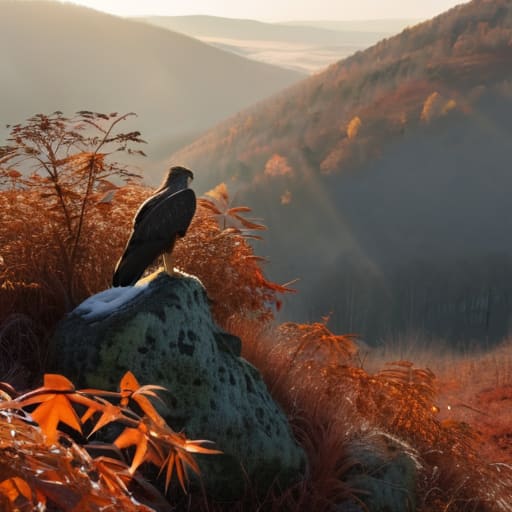
You can have the most expensive glass in your bag, but if you’re standing on a ridge three days too late, you’re just looking at empty scrub. Understanding seasonal animal migration patterns isn’t about memorizing a textbook; it’s about recognizing the specific, often subtle, cues in the landscape that signal movement is imminent. I’ve spent years tracking raptor movements, and I’ve learned that the birds don’t care about your weekend itinerary. They move when the thermal currents shift or when the first hard frost hits the valley floor. If you aren’t tracking the local phenology—the timing of budding leaves or the arrival of specific insects—you’re essentially guessing.
Don’t make the mistake of planning your entire trip around a single sighting window. I once led a group to a specific nesting site in late August, only to find the birds had already moved to lower elevations due to an unseasonable heatwave. You need to build a buffer into your schedule. I always suggest looking at the three-year average for the area rather than just last year’s data, as weather volatility is increasing. If your plan relies on a single, narrow window of time, you haven’t planned a trip; you’ve planned a gamble.
The Margin for Error: Five Practical Realities of Field Planning
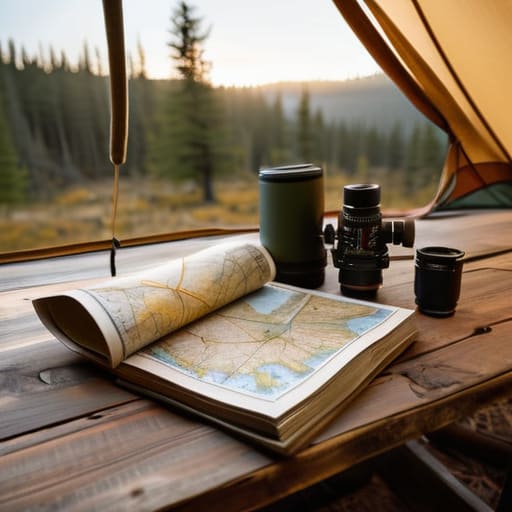
- Stop planning around the animal and start planning around the light. I’ve spent twenty years watching people miss a nesting pair because they were so focused on the bird that they forgot the sun drops behind the ridge forty minutes earlier than the app promised. If you aren’t at your vantage point an hour before the window opens, you’re just walking through the dark.
- Check the wind, not just the rain. A forecast might say “light showers,” which is useless information. I need to know if there’s a steady westerly at 25 knots. If you’re sitting in a blind or a treeline with a crosswind, that wind will strip the heat from your body long before the rain even hits. Plan your layers for the wind chill, not the temperature on your phone.
- Weight is a safety decision, not a convenience one. I’ve carried a specific 45L pack for six seasons now—mostly through peat bogs and scree slopes—and I’ve learned that every extra gram of “nice-to-have” kit is a tax you pay when the weather turns. If your binoculars are heavy enough to make your neck ache after an hour, you won’t be looking at the wildlife; you’ll be looking at your feet.
- Map your exit routes before you arrive. When I was a ranger, I saw more people get stuck because they were “following a bird” into terrain they hadn’t actually scouted. Know exactly where the path turns into a bog or where a slope becomes too steep to navigate in low visibility. The wildlife won’t care if you’re lost, and neither will the weather.
- Carry more water than you think you need, especially if you’re being still. People think wildlife watching is passive, but sitting motionless in a damp environment is physically draining. I’ve carried a 2-litre bladder for every day of a three-day trek for the last five years; it’s a heavy habit, but dehydration makes you make the kind of “optimistic decisions” that lead to accidents.
The Cost of Optimism
Most people plan their wildlife trips around the animal, but I plan mine around the light and the wind; if you haven’t accounted for the fact that a twenty-minute delay in the valley means losing the golden hour on the ridge, you aren’t planning a trip, you’re just hoping for luck.
Bridget Halloran
The Margin Between Success and a Long Walk Back
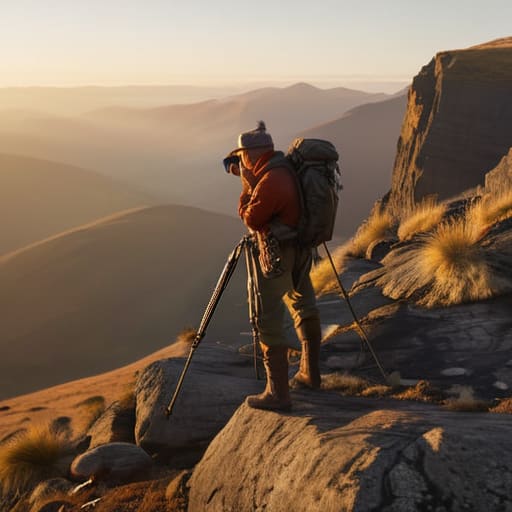
At the end of the day, planning a wildlife trip isn’t about ticking boxes on a gear list or finding the exact GPS coordinates for a nesting site; it’s about managing your own margin of error. You need to respect the migration windows you’ve researched, pack layers that actually work when the wind picks up, and—most importantly—know your turnaround time. I’ve seen too many people push through the final hour of daylight because they were so close to a sighting, only to end up navigating a scree slope in the dark with a dead headtorch. If you have mapped your route, checked the seasonal shifts, and prepared for the worst possible weather, you aren’t just planning a trip; you are ensuring you’ll actually be around to see the next season’s arrivals.
There is a specific kind of quiet that comes when you finally sit still, long after the sun has dipped and the temperature has dropped, and you realize you are part of the landscape rather than just an observer. It’s a reward that only comes to those who have done the boring, meticulous work of preparation. Don’t rush the process, and don’t let optimism override your intuition when the clouds start to thicken. If you respect the rhythm of the animals and the volatility of the terrain, the wilderness will eventually reveal its secrets to you in ways that no guidebook can ever quite capture.
Frequently Asked Questions
How do I balance the need for heavy, high-quality optics with the reality of how much weight I can actually carry for a full day on uneven terrain?
I’ve spent twenty years carrying packs, and I’ve learned that weight isn’t just a number; it’s how much energy you have left when the light starts failing. I’ve used the Zeiss Victory SFs for four seasons on multi-day treks in the Cairngorms—they’re heavy, but they don’t fog. However, if you’re scrambling on scree, you’ll regret them. My rule: carry the best glass you can physically manage without compromising your footing. If the weight makes you stumble, you won’t see the bird anyway.
What are the specific signs that a change in weather is about to make my planned observation point unsafe or impossible to reach?
Watch the barometer, but more importantly, watch the birds. If the local passerines suddenly go silent or the raptors stop circling and start hunkering down in the lee of a ridge, the pressure is dropping faster than your forecast suggested. I’ve seen a clear morning turn into a whiteout in forty minutes because someone ignored the thickening, bruised look of the clouds on the horizon. If the wind starts gusting from a direction that doesn’t match the model, turn back.
How much "buffer time" should I actually build into my itinerary to account for slow movement and the unpredictable nature of animal activity?
You need to plan for the version of yourself that is tired, wet, and moving at half-speed. I always build in a thirty percent buffer. If you think a ridge walk will take three hours, budget four. Animals don’t follow your itinerary; they follow the light and the wind. If you’re rushing to hit a specific sighting, you’ll miss the subtle cues—like a shift in bird activity—that tell you a weather front is actually moving in.