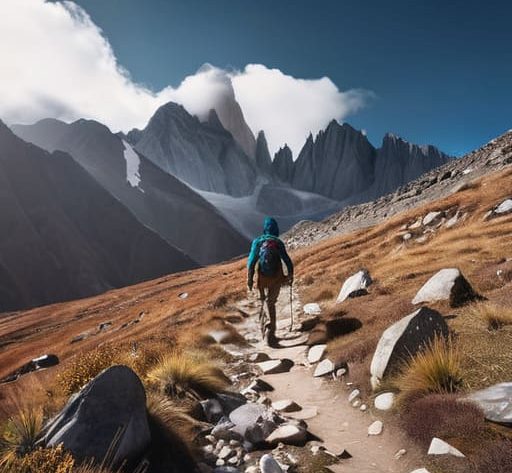
I remember a group I led in the Cairngorms back in 2014—it was a bright, deceptively still morning, and everyone was obsessed with their high-tech, lightweight gadgets. They had spent a fortune on the latest gear but hadn’t spent a single second learning how to hike at altitude with any actual respect for the environment. I watched the clouds turn that bruised, heavy purple over the ridge, and within twenty minutes, the “easy stroll” became a frantic scramble through freezing sleet because they’d ignored the subtle signs of thinning air and dropping pressure. It wasn’t the gear that failed them; it was the optimism that told them they could outrun the mountain.
I’m not here to sell you a specific brand of expensive, ultralight shell or a complicated breathing technique you saw on a glossy website. Instead, I’m going to tell you the boring, essential truths about managing your pace, reading the actual weather, and knowing when your lungs are telling you something your brain wants to ignore. This is about the practical, unvarnished reality of high-elevation movement—the kind of knowledge you only get from twenty years of walking through the rain.
Table of Contents
Recognizing Altitude Sickness Symptoms Before They Bite
The problem with altitude sickness symptoms is that they don’t usually arrive with a fanfare; they creep in through the back door while you’re busy admiring the view. It starts with a dull, nagging headache that feels like a tight band around your temples, or a sudden, inexplicable loss of appetite. I’ve sat on too many ridges watching people mistake a growing sense of nausea for simple fatigue. If you find yourself feeling unusually dizzy or if your coordination feels just a fraction off when navigating a simple scramble, your body is already sending a warning signal.
Don’t try to outsmart the mountain by pushing through it. I once led a group where the leader insisted a headache was just dehydration, but within two hours, the whole party was struggling to keep their footing. The golden rule is simple: if the symptoms persist or worsen, you stop ascending. You can try focusing on specific breathing techniques for high altitude to steady your rhythm, but if that doesn’t clear the fog, the only responsible decision is to descend. The mountain isn’t going anywhere, but your ability to navigate it might.
A Realistic Acclimatization Schedule for Hikers
The biggest mistake I see—and I’ve seen it enough to count on my fingers—is the “push through it” mentality. People arrive at a base camp at 3,000 metres and think they can summit the next morning because the sun is out. They can’t. A proper acclimatization schedule for hikers isn’t about being slow; it’s about giving your blood chemistry a chance to catch up with your ambitions. My rule of thumb is a “climb high, sleep low” approach. If you spend a day trekking up to a ridge, don’t stay there. Descend a few hundred metres to sleep. It gives your body the stimulus of the thin air without the constant physiological tax of staying at peak elevation all night.
I’ve spent fifteen years watching people mismanage their energy. If you are planning a multi-day trek, aim for no more than a 300 to 500-metre increase in your sleeping altitude per night once you pass the 3,000-metre mark. You also need to be obsessive about your fluids. I’ve carried a 2-litre bladder for six seasons through everything from the Cairngorms to the Andes, and I’ve learned that dehydration mimics the onset of altitude sickness symptoms almost perfectly. If you aren’t sipping water constantly, you’re already losing the battle.
The Margin for Error: Five Ways to Stop Optimism from Becoming a Liability
- Hydrate before you feel thirsty. At altitude, the air is bone-dry and your breathing rate increases, meaning you’re losing moisture faster than you realize. I’ve spent three days on high-plateau routes where I didn’t notice the dehydration until the headache hit; by then, my decision-making was already slipping. Carry more water than you think you need, and don’t wait for a thirst signal that might never come.
- Respect the “Golden Hour” of daylight. One of the biggest mistakes I see is groups pushing for one last ridge to catch a view, only to realize they’ve underestimated the descent time. High-altitude terrain is deceptive; a kilometer of flat ground feels very different when you’re oxygen-deprived and the light is failing. Plan to be at your camp or hut at least an hour before the sun actually dips.
- Layer for the wind, not just the temperature. A thermometer reading of 5°C on a valley floor is meaningless on a ridge where the wind chill can drop the effective temperature by fifteen degrees in seconds. I use a heavy-duty hardshell that I’ve put through about four seasons of gale-force winds in the Cairngorms; it’s heavy, but it’s the only thing that stops the convective cooling when the weather turns.
- Monitor your group’s pace, not your own. If you’re leading, you aren’t looking at the summit; you’re looking at the person at the back. If their breathing is heavy or they’re becoming uncharacteristically quiet, you’ve gone too fast. High altitude punishes sudden bursts of effort, so aim for a “conversational pace”—if you can’t speak in full sentences, you’re burning through your reserves too quickly.
- Trust the clouds, not the forecast. I’ve seen “clear skies” turn into a whiteout in twenty minutes because a forecast failed to account for local topography. If you see clouds beginning to “bruise” or thicken around the peaks, or if the wind starts shifting direction unexpectedly, stop and reassess. It is much easier to turn back at 2:00 PM while you still have light than it is to navigate a descent in a storm at 5:00 PM.
The Cost of Optimism
Most people think altitude is something you fight with willpower, but you can’t out-stubborn a lack of oxygen. I’ve seen too many hikers treat a headache like a minor inconvenience instead of a warning sign, only to find themselves stumbling toward a descent they aren’t prepared for once the sun goes down. If the mountain starts making you feel heavy or light-headed, stop pretending you’re fine; the gap between a steady climb and a genuine emergency is often just one more ‘optimistic’ step too many.
Bridget Halloran
The Final Check
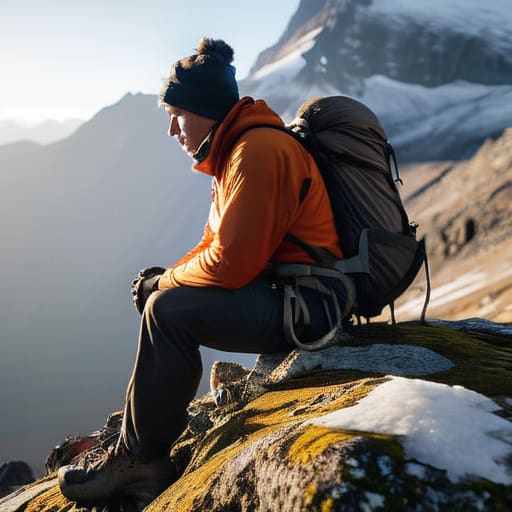
At the end of the day, hiking at altitude isn’t about conquering a peak; it’s about managing the variables you can actually control. You’ve looked at your acclimatization schedule, you know how to spot the early signs of a headache or nausea that signal you need to descend, and you’ve planned your hydration. But remember, none of those preparations matter if you ignore the most important rule: listen to your body over your ego. If the air feels too thin or your coordination feels off, the mountain isn’t going anywhere, but your window of safety might be closing fast. Don’t let a summit fever turn a manageable climb into a rescue mission.
There is a specific kind of stillness you find above the tree line, a clarity that comes when the world below simply falls away. It’s why we do this. When you respect the altitude, prepare for the drop in temperature, and move with intention, you earn the right to experience that silence. The mountains are indifferent to our presence, but they are incredibly rewarding to those who approach them with humility and preparation. Go up, see the view, and enjoy the thin air—just make sure you’ve left yourself enough daylight and energy to get back down.
Frequently Asked Questions
How much extra weight should I actually expect to carry when my body is working harder just to breathe?
You aren’t just carrying the physical weight of your pack; you’re carrying the metabolic cost of every step. When the air thins, your body works twice as hard to fuel the same movement. I’ve found that a pack that feels like 12kg on a lowland trail starts feeling like 18kg once you’re above 3,000 metres. Don’t let your gear list fool you—cut your base weight by at least 15% if you want to avoid the fatigue that leads to bad decisions.
At what point does a "minor headache" become a legitimate reason to stop climbing and start descending?
The moment that headache starts to feel heavy or throbbing, you’ve already crossed the line. If you take a paracetamol and the pain doesn’t vanish within thirty minutes, or if you notice even a slight loss of coordination—like stumbling on a flat path—you stop. Don’t try to “push through” to the summit. I’ve seen too many people treat a dull ache like a minor nuisance, only to find themselves unable to walk by nightfall.
What specific gear have you actually relied on when the temperature drops unexpectedly at high elevations?
I’ve spent fifteen years relying on my Rab Microlight jacket when the wind shifts. I’ve worn it through three seasons of sudden temperature drops in the Cairngorms, mostly while stationary during bird counts in sleet. It weighs about 350g. It isn’t a magic shield, but it stops that specific, shivering heat loss when the clouds move in. I haven’t used the newer down models yet, so stick to what I know works.