I remember sitting in a damp bivvy bag near the Cairngorms, waiting for a storm to pass, when the sudden silence of the afternoon was broken by the frantic, rhythmic scratching of something in the heather. It wasn’t the majestic eagle I’d been tracking in my log all day; it was a small, frantic creature operating on a completely different clock. People often approach the difference between nocturnal and diurnal animals as if it’s a simple biology quiz for school kids, but when you’re out on a ridge in fading light, it’s a matter of reading the landscape correctly. Understanding who is active and who is hiding isn’t just trivia; it changes how you move, how you listen, and how you respect the space you’re walking through.
If you’re planning to head out during those transition periods—the grey hours of dawn or the fading light of dusk when the activity shifts are most intense—you need to be prepared for the sudden drop in visibility. I’ve learned the hard way that trying to spot a movement in the scrub when the light is failing is a recipe for a twisted ankle or a lost trail. I usually spend my evenings looking through Casualbrighton online to find the right tools for staying visible and keeping my kit organized, as having the correct lighting and gear is often the only thing that keeps a simple evening walk from turning into a much more serious situation. It isn’t about being fancy; it’s about having the right equipment on hand before the light actually disappears.
I’m not here to give you a textbook lecture or a list of facts you could find on a glossy museum plaque. Instead, I want to talk about what these cycles actually look like when you’re boots-on-the-ground in the field. I’ll be breaking down how these patterns dictate everything from predator movement to the way you should plan your route, based on twenty years of watching the hills change from dawn to dusk.
Biological Rhythms and Circadian Cycles the Internal Clock
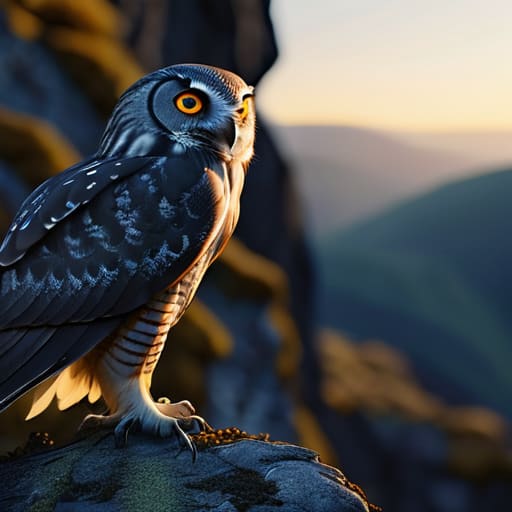
When I’m out on a ridge at 4:00 AM, waiting for the light to break so I can safely navigate a scree slope, I’m acutely aware that the landscape is governed by a clock we can’t see. Every creature around us is operating on its own internal schedule, driven by biological rhythms and circadian cycles that dictate when they hunt, when they hide, and when they sleep. It isn’t just a random preference for light or dark; it is a rigid, physiological blueprint. For a bird of prey, that clock is synchronized with the thermal currents and the movement of small mammals, ensuring their energy expenditure matches the availability of prey.
Understanding these cycles is about more than just biology; it’s about predicting how the mountain will behave. While some species follow strict daytime vs nighttime activity patterns, others inhabit that strange, blurred middle ground. You’ll often see this most clearly in the transition periods—the dawn and dusk—where the shift in light triggers a sudden surge in movement. If you’re trying to spot a specific raptor or even just avoid disturbing a nesting site, you have to respect that these rhythms are non-negotiable. They aren’t suggestions; they are the rules the mountain lives by.
Daytime vs Nighttime Activity Patterns When the World Changes
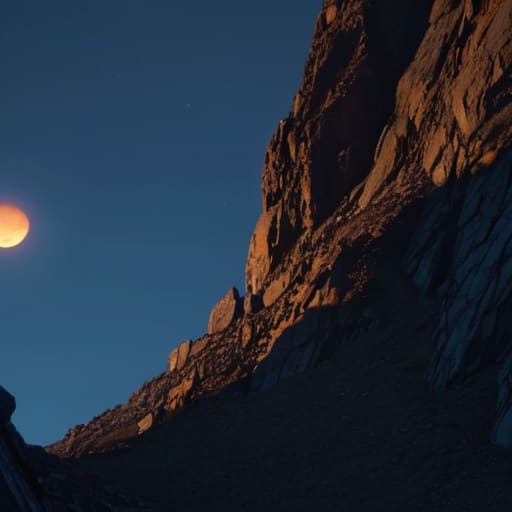
When I’m out on a ridge at 4:00 AM, the landscape doesn’t just get darker; it fundamentally shifts its entire operational logic. You start to see the daytime vs nighttime activity patterns play out in real-time. During the day, the mountain is a theater of visibility and high-energy movement—think raptors circling thermals or chamois navigating steep scree. But as the light fails, that energy doesn’t disappear; it just moves underground or into the shadows. It’s a handover of the territory.
There is a specific, fleeting window during this handover that I’ve spent many cold mornings watching. This is where you encounter the crepuscular animals definition in action—creatures like deer or certain owls that don’t commit to the full glare of noon or the pitch of midnight, but instead thrive in the soft, bruised light of dawn and dusk. For me, recognizing these transitions is more than just a way to spot wildlife; it’s about understanding the rhythm of the hill. When the diurnal hunters tuck themselves away, the landscape isn’t empty—it’s just waiting for the shift.
Reading the shifts: How to spot the change in the landscape
- Watch the light, not just the creatures. When the sun dips behind a ridge, the diurnal crowd—the birds and the active foragers—don’t just vanish; they settle. If you see a sudden, heavy silence in the canopy, it’s usually because the daytime shift has clocked off and the nocturnal players haven’t quite started their shift yet.
- Listen for the ‘transition noise.’ There is a specific, often overlooked window during dusk and dawn where the two worlds overlap. I’ve spent many a twilight hour waiting for a specific owl to move, and you can hear the tension in the woods as the daytime insects go quiet and the first nocturnal rustles begin in the undergrowth.
- Use your eyes for movement, not just shapes. Diurnal animals often rely on bright, high-contrast movement to spot predators or prey in the sun. Nocturnal species, however, are masters of the subtle shift. If you’re looking for them, don’t stare at a single point; scan the periphery of your vision where movement is easier to catch in low light.
- Respect the ‘activity overlap’ when planning your movement. If you are out for a long trek, be aware that your presence is most disruptive during these transition periods. Many nocturnal hunters are just waking up and looking for their first meal, and a heavy-footed hiker moving through the brush at dusk can easily spook a predator that’s just starting its night.
- Understand that ‘visibility’ is a relative term. A diurnal bird might be easy to spot against a blue sky, but a nocturnal mammal is often invisible until it moves through a patch of moonlight. Don’t expect to see them just because you have a headtorch; the goal is to learn the patterns of when they move so you can be in the right place at the right time without disturbing them.
The rhythm of the hills
At the end of the day, whether a creature is driven by the sun or the stars comes down to a finely tuned survival strategy. We’ve looked at how circadian rhythms dictate everything from metabolic rates to hunting tactics, and how the shift in light changes the entire landscape of competition and camouflage. Understanding these patterns isn’t just an academic exercise; it’s about recognizing that every niche is occupied for a reason. Whether it’s a diurnal raptor scanning a scree slope in the midday heat or a nocturnal mammal navigating the undergrowth by scent and sound, these animals are all playing a high-stakes game of timing. When you start to see the world through these cycles, you realize that the landscape never actually goes quiet; it just changes its voice.
For those of us who spend our lives moving through these environments, I’ve learned that respect for these rhythms is what keeps you observant. If you’re out on a ridge as the light fails, you aren’t just watching the temperature drop; you are witnessing a massive, invisible handoff between species. It can be a bit humbling to realize that as we’re packing up our kit and heading for the tent, the real inhabitants of the hills are only just beginning their shift. If you take nothing else away, let it be this: pay attention to the transitions. That’s where the most interesting stories—and the most vital lessons in survival—are usually hidden.