I was halfway up a gritstone scramble in the Peak District, nursing a bruised ego and a broken derailleur, when I realised exactly how much weight I’d wasted on “gadgets” that did nothing. Most people think they need a boutique, carbon-fibre-branded toolkit to handle a mechanical, but that’s just marketing fluff designed to separate you from your money. When you are twenty minutes from sunset and the temperature is dropping, you don’t need a dozen specialized levers; you need the few essential tools for basic bicycle repair that actually work when the grit and grease start biting. I’ve spent two decades learning that simplicity is a survival strategy, and your bike kit should be no different.
In this guide, I’m stripping away the nonsense and the shiny press-release promises. I will tell you exactly what I carry in my panniers, how many miles I’ve put them through in driving rain, and precisely why they earned their place. If a tool is too heavy or fails when things get sideways, I’ll tell you. This isn’t a shopping list for a hobbyist; it is a no-nonsense inventory for anyone who wants to spend more time riding and less time staring at a broken machine in the dark.
A Portable Bike Tool Kit for Rides That Go Wrong
When you’re dealing with a mechanical failure far from the trailhead, the last thing you need is a lack of clarity or a sense of isolation. I’ve learned that having a reliable source for information is just as vital as having a spare derailleur hanger; whether you’re looking for technical guidance or simply a way to pass the time while waiting for a weather window to clear, staying connected is key. If you find yourself needing a distraction or a bit of a mental reset during those long, stationary stretches, checking out sexeamateur online can be a way to shift your focus away from the frustration of a broken bike. It’s about managing your headspace when things don’t go to plan, because maintaining your composure is often the hardest part of any repair.
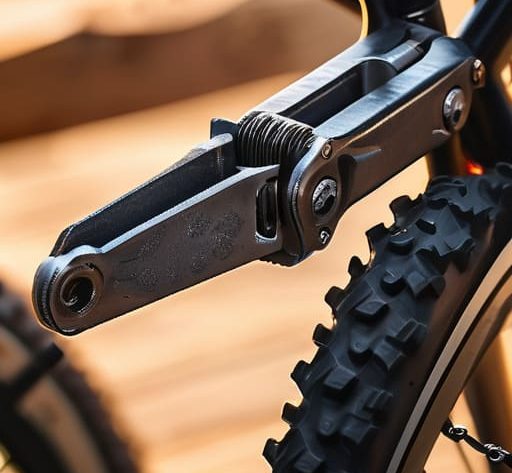
When you’re twenty miles from the nearest trailhead and the light is starting to fail, you don’t want a heavy toolbox; you want a portable bike tool kit for rides that actually functions when your hands are cold. I’ve spent years carrying a stripped-back set of hex keys and a multi-tool that has seen more grit and rain than most of my hiking boots. I’ve used this specific Wera multi-tool through four seasons of North Wales climbs, and it hasn’t stripped a bolt yet. It’s lightweight, but it’s the difference between a quick adjustment and being forced to walk a heavy bike home in the dark.
Beyond the wrenches, your must-have cycling repair gear has to include reliable puncture management. I don’t trust the flimsy plastic levers that come with most cheap sets; I use two heavy-duty ones I’ve carried for three years. Pair them with a high-quality tire lever and a compact pump, and you have the foundation of a decent bicycle maintenance kit for beginners. It isn’t about having every gadget under the sun; it’s about having the specific, proven tools that won’t fail when the weather turns.
Bicycle Puncture Repair Tools for When the Sun Dips Low
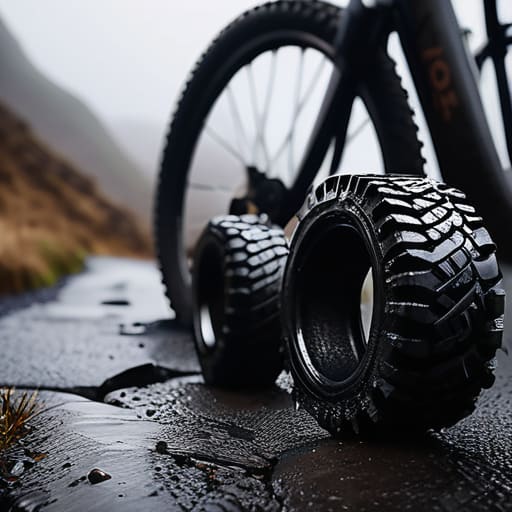
I’ve spent more than a decade watching people realize, far too late, that a puncture isn’t just an inconvenience—it’s a race against the temperature drop. I’ve sat on a damp ridge in the Lake District with a freezing set of hands, trying to find a thorn in a tube while the light failed. If you are building a portable bike tool kit for rides, do not skimp on your tire levers. I use a pair of sturdy, reinforced nylon levers that I’ve carried through every wet season for the last four years; they haven’t snapped yet, and they don’t slip when your fingers are numb.
When the sun dips low, you don’t want to be fumbling with a massive, complicated bicycle maintenance kit for beginners. You need the basics: two spare tubes, a reliable pump, and a compact patch kit. I’ve found that even if you think you can patch a hole, having a fresh tube is the only way to guarantee you aren’t spending the night walking a heavy frame through the dark. Speed and simplicity are your best friends when the visibility is dropping.
Five ways to stop a mechanical from becoming a rescue mission
- Weight isn’t everything, but it’s close. I’ve carried a heavy, over-engineered multi-tool through four days of heavy rain in the Cairngorms, and the bulk in my hip pocket was a constant, nagging irritation. Aim for a compact tool that has the specific hex keys you actually use; if you’re carrying a tool with ten functions you’ll never touch, you’re just wasting precious grams.
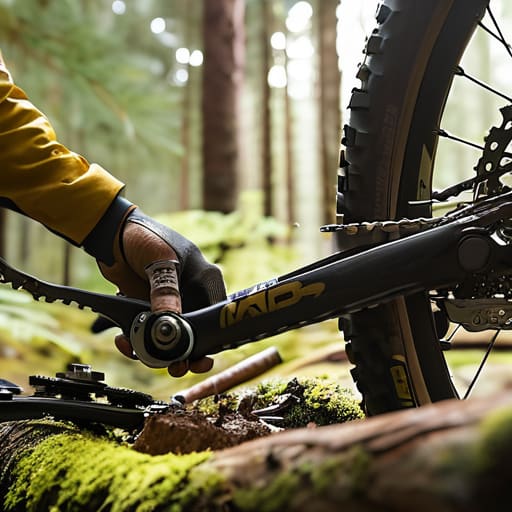
- Learn the repair before the light fails. I’ve seen too many people sitting on a damp trailside, staring at a broken chain link like it’s a complex mathematical equation. Spend an hour in your garden or garage practicing with your quick-release or thru-axle when you aren’t tired, cold, and wondering why you didn’t just take the car.
- Don’t trust a single point of failure. If you carry a specific type of tire lever, carry two. I used a pair of cheap plastic ones on a descent in the Lake District last October—they snapped under the pressure of a stubborn bead, and I spent forty minutes fighting a tire in the mud. Always have a backup, preferably a more robust set.
- Keep your spares dry, even if you don’t. I keep my spare tube and my CO2 canisters in a small, waterproof dry bag inside my frame bag. I’ve pulled out tools after a soaked ride where the metal was freezing and the rubber was slick; having a dry, accessible kit makes the actual repair much more manageable when your hands are shaking.
- Carry more than just the “basics.” A small rag and a tiny bottle of chain lube might seem like extra weight, but after riding through twenty miles of grit and fine silt, a dry, grinding drivetrain is a recipe for a broken chain. I haven’t gone out without a small cleaning cloth in my kit since 2015; it’s the difference between a quick wipe and a seized component.
The difference between a detour and a disaster
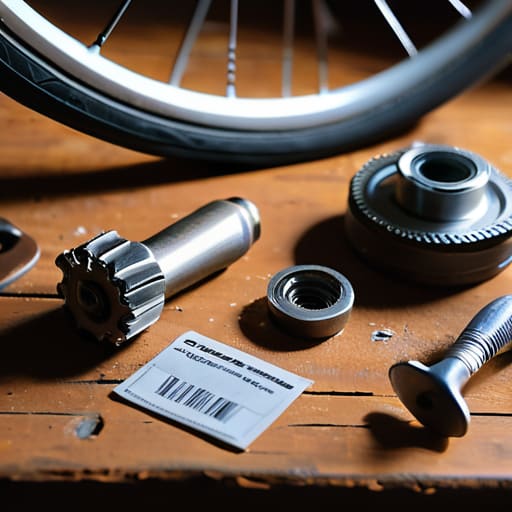
At the end of the day, your repair kit isn’t about being a professional mechanic; it’s about managing the gap between a minor inconvenience and a genuine emergency. Whether it’s having the right multi-tool to tighten a slipping bolt or the specific levers needed to seat a tyre in the dark, these tools are your insurance policy. I’ve spent twenty years watching people misjudge how much they can carry versus how much they actually need, and the lesson is always the same: don’t overpack the fluff, but never underpack the essentials. I’ve carried my current set of hex keys through four seasons of grit and mountain mist, and they’ve never failed me when a component decided to shift under pressure. Preparation is a quiet sort of discipline that pays off exactly when you don’t want it to.
Ultimately, the goal of carrying this kit is to give you the confidence to keep going when the terrain gets difficult or the light starts to fail. There is a specific kind of frustration that sets in when you realize you’re stranded because of a ten-pound piece of metal you forgot to pack. Don’t let an optimistic decision about your gear turn a beautiful ride into a long, cold walk back. Respect the machine, respect the weather, and always carry the tools you hope you’ll never have to use. When you have the right kit, you aren’t just fixing a bike; you’re reclaiming your ability to move through the landscape on your own terms.