I remember a group I led in the Cairngorms three summers ago; they had every piece of high-tech, moisture-wicking gear money could buy, yet they were stumbling toward heat exhaustion by noon because they’d ignored the simple reality of exposure. People tend to treat a “complete guide to hot weather safety” like a shopping list for expensive sun creams and fancy hydration bladders, but that’s a dangerous way to look at it. The truth is, the heat doesn’t care how much you spent on your technical base layers; it only cares about your decision-making and how much water you actually have left in your bottle when the wind drops and the sun starts baking the granite.
I’m not here to sell you on the latest lifestyle trends or marketing fluff. Instead, I’m going to give you the unvarnished reality of staying upright when the temperature climbs. I will talk about the boring, vital stuff—calculating your water needs based on actual exertion, recognizing the subtle onset of fatigue, and knowing exactly when the summit isn’t worth the risk. This isn’t a list of gear recommendations; it’s a practical framework built from twenty-two years of watching how the weather actually behaves.
Table of Contents
Reading the Signs of Heat Exhaustion Before They Escalate
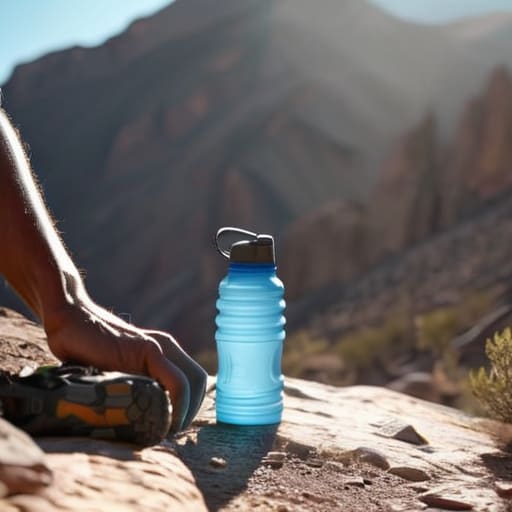
The problem with heat is that it doesn’t usually hit you like a wall; it’s a slow, creeping erosion of your decision-making. I’ve seen it happen on long ridge walks where the group is moving well, the sun is out, and everyone feels invincible. Then, suddenly, the conversation stops. People get quiet, or worse, they get irritable. One of the first signs of heat exhaustion I look for in a group isn’t a heavy pant, but a subtle loss of coordination or a sudden, inexplicable clumsiness. If someone starts fumbling with their water bottle or tripping on relatively flat ground, the party is over. You don’t push for the summit; you find shade and you sit down.
You also need to watch for the “dry” phase. If you’ve been working hard in high temperatures and you suddenly stop sweating, that is a massive red flag. It means your body’s cooling mechanism has effectively broken down. At that point, you aren’t just tired; you are dangerously close to a medical emergency. Maintaining your electrolyte balance and hydration is a constant task, not something you do once an hour when you remember. If the headache starts thumping behind your eyes, don’t try to “walk it off.” That is your body telling you that your optimism has finally outrun your physiology.
The Real Math of Electrolyte Balance and Hydration
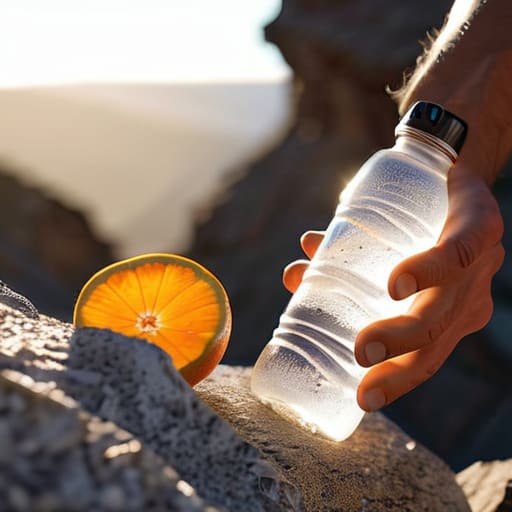
Most people think hydration is just about volume—how many litres you can shove down your throat before you feel bloated. It isn’t. I’ve seen plenty of walkers, even experienced ones, push through a ridge in high temperatures only to have their systems seize up because they were drinking nothing but plain water. When you sweat, you aren’t just losing fluid; you’re losing salt, magnesium, and potassium. If you don’t replace those, you’re just diluting your body’s ability to function, which is a fast track to cramping and confusion.
I’ve used the Nuun tablets for every multi-day trek I’ve led over the last four years, specifically during those humid, heavy-air afternoons in the valleys. They weigh next to nothing in a pack, and I find they are far more effective at maintaining electrolyte balance and hydration than trying to eat salty snacks mid-climb. Don’t wait until you’re parched to start sipping. If you’re waiting for that thirst signal, you’ve already lost the battle. Consistent, small sips are the only way to stay ahead of the curve.
The Logistics of Staying Upright When the Temperature Climbs

- Pack for the midday peak, not the morning start. I’ve seen too many groups set off at 6:00 AM in light layers, only to be caught on a south-facing ridge at 1:00 PM when the heat is baking. Your pack weight might increase by a kilo because of the extra water, but that’s a price worth paying when the shade disappears.
- Treat your clothing like a thermal regulator, not just a covering. I’ve used the Patagonia Capilene Cool Daily shirt for three seasons straight, mostly in high humidity and direct sun; it’s lightweight at about 140g and dries fast enough that you aren’t carrying damp weight all day. Avoid cotton at all costs—once it’s soaked with sweat, it stays heavy, stays wet, and stops helping you regulate.
- Schedule your “hard miles” for the margins of the day. If you’re planning a long route, you need to be off the exposed slopes and ideally near a water source or shade by the time the sun hits its zenith. It’s much easier to sit in a valley and wait out the worst two hours than it is to try and descend a scree slope while your brain is fogging up from heat.
- Carry a way to cool your core, not just your skin. I always keep a small, lightweight buff in my side pocket. If you feel that specific, prickly heat rising, soak the buff in your water bottle and wrap it around your neck or head. It’s a simple bit of thermodynamics that can buy you an extra hour of clarity when you’re making decisions.
- Learn to respect the “turn-back” threshold. In my twenty years, the most dangerous moment isn’t the heat itself, but the moment someone decides they can push through the dizziness to reach the summit. If the group’s pace has slowed significantly and people are becoming uncharacteristically quiet, the hike is over. The summit isn’t going anywhere, but your ability to get home safely can vanish in minutes.
The Danger of the Slow Burn
Heat doesn’t hit you like a sudden storm on a ridge; it’s a quiet, creeping thing that steals your judgment long before it affects your heart rate. By the time you feel truly thirsty or dizzy, you’ve already lost the battle.
Bridget Halloran
The Decision to Turn Back
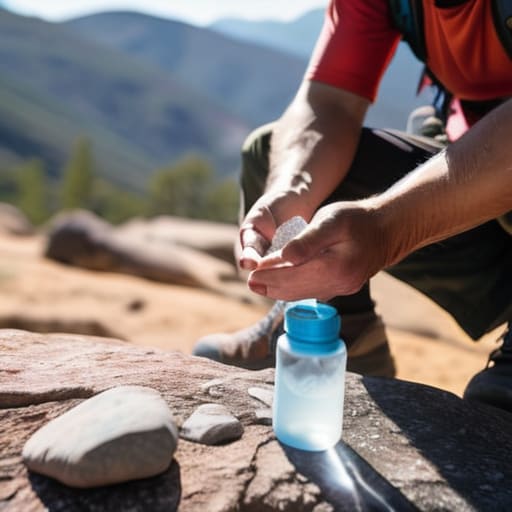
At the end of the day, hot weather safety isn’t about having the most expensive hydration bladder or the lightest sun hat; it’s about the discipline to monitor your own body and the group’s state. You have to watch for those subtle shifts—the slight headache, the loss of appetite, or that specific kind of irritability that signals heat stress is setting in. Remember that hydration is a math problem, not a guessing game, and your electrolyte levels are just as vital as the liters of water in your pack. If the signs are there, do not try to outrun the heat or push for that final ridge line just because you’ve already spent four hours climbing.
I’ve seen too many people get caught out because they treated a heatwave like a minor inconvenience rather than a legitimate environmental hazard. The mountains don’t care about your itinerary, and the sun doesn’t give warnings once you’ve crossed the line into heatstroke. True competence in the outdoors is knowing when to prioritize survival over the summit. If you make the call to turn around early, you aren’t failing the hike; you are ensuring that you are healthy enough to walk it again tomorrow.
Frequently Asked Questions
How much extra water should I actually carry for a high-altitude ridge walk compared to a valley trail?
On a valley trail, you can usually rely on what’s in your bottle, but a ridge walk changes the math entirely. You’re dealing with constant wind and thinner air, both of which strip moisture from you faster than you’ll feel it. I always carry at least an extra litre more than my valley plan suggests. I’ve spent fifteen years carrying a 3-litre bladder on high routes; if you aren’t planning for that extra volume, you’re being too optimistic.
At what point does a heat warning on a forecast actually mean I should cancel my planned route?
You cancel when the forecast stops describing the weather and starts describing a risk. If the warning mentions high UV indices on exposed ridges or warns of “extreme” temperatures, that’s your cue. I’ve seen groups push through a “moderate” warning only to find the lack of shade on a scree slope turns the mountain into an oven. If your route has no escape paths or water sources, don’t be optimistic. Just turn back.
Are there specific lightweight clothing layers that actually breathe well enough for sustained climbing in 30-degree heat?
I’ve spent fifteen years testing layers in everything from damp valleys to exposed ridges, and in 30-degree heat, the goal isn’t “protection”—it’s moisture management. I use the Montane Ascent shirt (140g) for sustained climbs. I’ve worn it through three full days of heavy climbing in the Pyrenees last summer, and it breathes significantly better than any synthetic “tech” tee I’ve tried. If it doesn’t move sweat away instantly, you’re just wearing a warm sponge.