I was standing on a ridge in the Cairngorms last October, watching a peregrine return to a ledge that had been stripped of its natural character by a dozen “minimal impact” campers who didn’t actually know what they were doing. They’d left behind more than just a bit of litter; they’d left a mess of flattened vegetation and poorly managed waste that changed the very ground the bird relied on. Most people think a complete guide to leave no trace is just a list of rules about not dropping candy wrappers, but that’s a massive oversimplification that does more harm than good. It’s not about being a saint; it’s about the unseen footprint—the way you manage your presence so the landscape doesn’t look like it’s been through a war zone by the time you’ve moved on.
I’m not here to give you a lecture or repeat the sanitized version you’ll find in a glossy brochure. Instead, I’m going to give you the practical, often unglamorous reality of how to actually move through the hills without leaving a scar. I’ll tell you what works when you’re exhausted and it’s pouring rain, and what fails when you’re trying to be “stealthy.” This is a no-nonsense breakdown of how to manage your waste, your campsite, and your impact, based on twenty-two years of watching how the mountains react to us.
Table of Contents
Minimizing Environmental Impact Camping Without Ruining the View
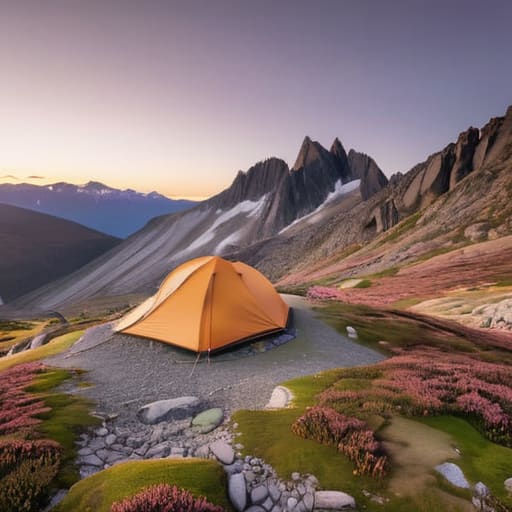
The problem with most people’s idea of “wild camping” is that they treat the landscape like a hotel room. They find a spot with a decent view, pitch their tent, and assume the mountain will just absorb their presence. It doesn’t. I spent nine years as a ranger watching how quickly a high-altitude plateau can be scarred by a single poorly placed campsite. If you aren’t careful, you aren’t camping; you’re just eroding the very thing you came to see. Minimizing environmental impact camping starts with choosing a site that has already been used or is composed of durable surfaces—think rock, gravel, or dry grass—rather than trampling fresh heather or delicate alpine flora.
I’ve spent many a night in a bivvy bag on scree slopes because it’s much easier on the land than setting up a footprint in a wildflower meadow. You also need to be ruthless about your kitchen setup. I’ve used my Trangia in wind-scoured ridges for over a decade, and the rule remains the same: keep your cooking area contained and never use a fire to boil water. Not only is it a massive wildfire risk, but it leaves a permanent scar on the soil that won’t heal in your lifetime. If you want to practice responsible backcountry travel, you have to accept that the best campsite is often the one that looks like you were never there at all.
Responsible Backcountry Travel When the Forecast Shifts
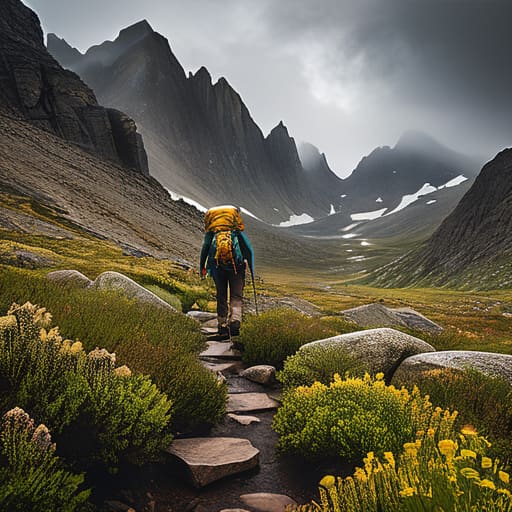
When the clouds drop and the wind starts biting, your priorities shift from scenery to survival, but your commitment to responsible backcountry travel shouldn’t. I’ve spent too many afternoons watching groups scramble for shelter in a sudden squall, only to end up trampling delicate alpine vegetation or scraping away topsoil because they were too panicked to find a durable surface. When the weather turns, the temptation is to make a quick, “optimistic” decision about where to hunkered down. Don’t. If you can’t find a rock outcrop or a thicket that won’t be crushed, it is better to keep moving or turn back than to create a new, unauthorized campsite in a fragile area.
It’s also about how you manage your movement. In high winds or heavy rain, staying on the established path isn’t just about avoiding mud; it’s about protecting wildlife and natural resources that are already stressed by the conditions. I’ve seen how a single detour to avoid a puddle can widen a trail into a scar that takes years to heal. Stick to the line, even when it’s wet, and keep your gear tight.
The Small Habits That Actually Save the Landscape
- Stop thinking about “trash” as just wrappers; it’s the micro-debris like tiny bits of plastic tie or fruit stickers that stay in the soil for decades. I’ve spent too many mornings as a ranger picking up the tiny things people think don’t matter, so if it didn’t come from the ground naturally, it doesn’t stay there.
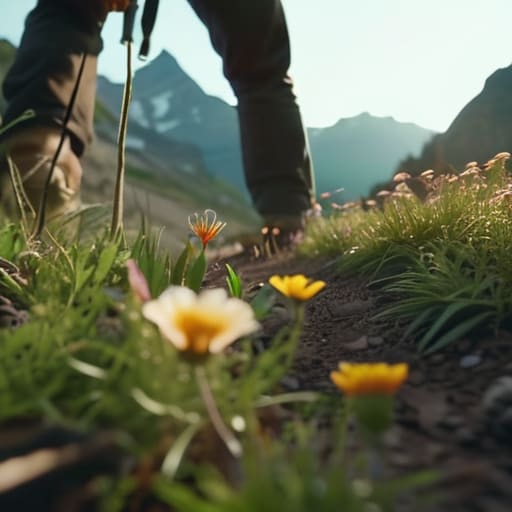
- When you’re choosing a spot to rest or camp, look for the hard ground or durable surfaces rather than trampling the moss or the fragile alpine plants. I’ve seen how quickly a single season of “unlucky” foot traffic can turn a lush patch of heather into a muddy scar that takes years to heal.
- Leave the rocks and the “treasures” exactly where you found them. It’s tempting to move a cool piece of quartz or a bit of interesting driftwood for a photo, but those small shifts in the micro-environment can disrupt the very things I spend my life tracking, like insect habitats or nesting sites.
- Manage your human waste with more than just a “dig a hole” mentality; you need to be disciplined about distance from water sources. In my experience, people get too comfortable near streams, and that’s how you end up contaminating the very ecosystems that the local wildlife depends on.
- Respect the wildlife by keeping your distance, especially during nesting season. I keep a raptor log for a reason, and seeing a group of hikers flush a bird from its nest because they wanted a closer look is one of the most frustrating things I see—it’s not just a nuisance, it’s a disruption of their survival.
The Real Cost of a Shortcut
People think Leave No Trace is about being a saint, but for me, it’s about being a realist; it’s the difference between a ridge that stays wild and a ridge that becomes a scarred, muddy staircase because someone thought their expensive waterproofs meant they didn’t need to stay on the path.
Bridget Halloran
The Reality of the Trail
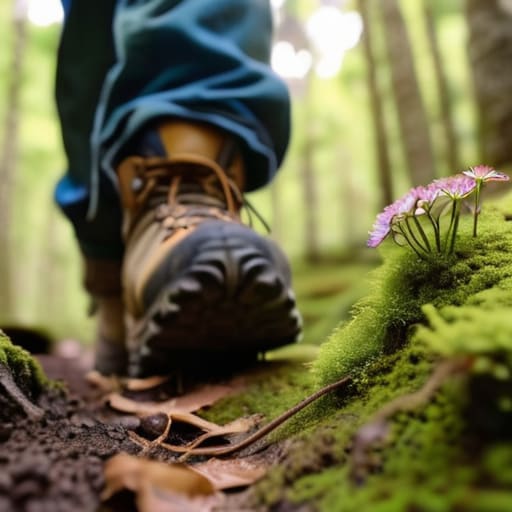
At the end of the day, Leave No Trace isn’t about following a list of rules to avoid a fine; it’s about the small, often tedious decisions we make when we’re tired, cold, or just want to get home. It’s choosing to walk on the durable path rather than the shortcut that scars the hillside, or taking the extra five minutes to pack out that bit of food wrapper that blew out of your pocket. It’s about understanding that your footprint is more than just a physical mark—it’s the cumulative impact of every person who thinks their one little mistake won’t matter. If we all act like the environment is indestructible, it won’t be for long.
I’ve spent twenty-two years watching these landscapes change, and I’ve seen how quickly a pristine ridge can feel crowded and degraded when the respect for the space disappears. But I’ve also seen how much these places can recover when we simply give them the space to be wild again. The mountains don’t need us, but we certainly need them. If you approach every trek with the mindset that you are a guest in someone else’s home—even if that home is a nesting site for a peregrine falcon—you’ll find that the most rewarding part of the journey isn’t just what you see, but the fact that you left it exactly as you found it.
Frequently Asked Questions
How do I manage human waste when I'm stuck in a high-altitude area or on a ridge where digging a cat hole isn't actually an option?
When you’re on a ridge or rocky terrain, the “dig a hole” advice is useless. I’ve been stuck on granite plateaus where there isn’t an inch of soil for miles, and you can’t just leave it there. You carry it out. Period. Invest in a lightweight, sealable WAG bag system. I’ve used the Cleanwaste ones for three years in everything from summer heat to freezing scree slopes; they don’t leak, and they keep the smell contained.
What’s the realistic way to handle food scraps and packaging if I'm camping in an area with high wildlife activity, like near a nesting site?
If you’re near a nesting site, you aren’t just managing trash; you’re managing a food source that can ruin a bird’s season. I’ve spent years watching scavengers habituate to human scraps, and it always ends badly for the animal. Don’t just “pack it out”—rethink it. Use reusable silicone bags instead of crinkly plastic that tears. If you have scraps, seal them in a dedicated, scent-proof dry bag. If it can’t be eaten, it doesn’t stay in your kit.
At what point does "staying on the path" become a problem in itself, especially when the ground is saturated and the trail is turning into a bog?
When the trail turns into a peat bog, the instinct is to skirt the edge to keep your boots dry. That’s where the damage happens. Every time you step off the established line to avoid a puddle, you’re widening the path and crushing the surrounding vegetation. I’ve spent years doing footpath repair; I can tell you that a braided, muddy mess is much harder—and more expensive—to fix than a single wet track. If it’s saturated, walk through it. It’s better to have wet socks than a destroyed hillside.