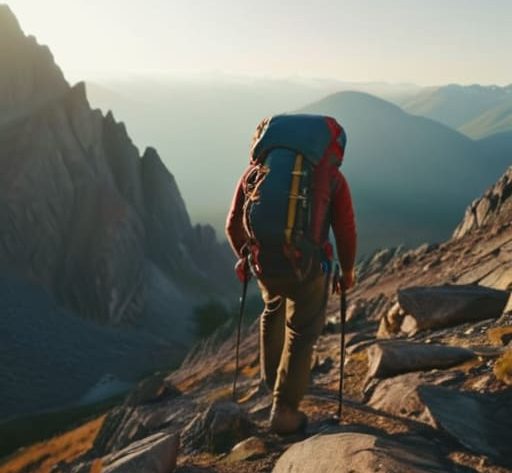
I once spent four hours sitting in a damp hollow on a ridge in the Cairngorms, watching a group of “prepared” soloists try to negotiate a sudden drop in visibility with nothing but a sense of misplaced confidence and a brand-new, unproven GPS unit. Most people will tell you that a complete guide to solo hiking needs to be a checklist of expensive gadgets and high-tech survival tech, but they’re selling you a fantasy. The truth is, the most important gear you carry isn’t in your pack; it’s the ability to recognize when your initial plan has become a liability.
I’m not here to give you a glossy brochure or a list of gear I haven’t actually sweated in. Instead, I’m going to give you the unvarnished reality of moving through the hills alone—the parts they don’t put in the marketing emails. This is a practical, experience-based breakdown of how to manage your own decision-making, how to actually read a mountain forecast when the wind is hitting forty knots, and how to pack for the reality of the terrain rather than the hope of a sunny afternoon.
Table of Contents
Solo Hiking Safety Tips for When the Weather Turns
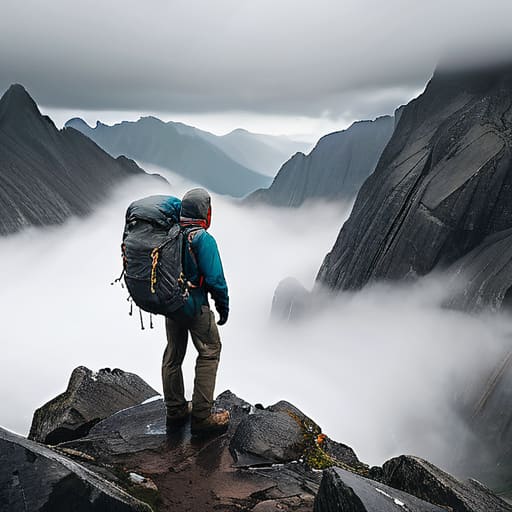
The most dangerous thing you can carry into the mountains is a sense of misplaced optimism. I’ve seen it a hundred times: a clear morning on the valley floor leads to a decision to push for the summit, only for the cloud base to drop to thirty feet by midday. When you are solo, there is no one to look at you and say, “This is a bad idea.” You have to be that person. This is where solo hiking mental toughness actually matters—it isn’t about pushing through the pain, it’s about having the discipline to turn back when the wind picks up and the visibility vanishes.
If the weather shifts, your priority isn’t the view; it’s shelter and stability. You need to have your essential gear for solo hikers—specifically a high-quality waterproof shell and a lightweight emergency bivvy—within immediate reach, not buried at the bottom of a pack. I’ve spent three hours huddled under a ledge in a horizontal sleet storm because I waited too long to check the ridge forecast. Don’t make that mistake. If the barometer is dropping and the clouds are bruising, stop moving, reassess your route, and get off the high ground.
Essential Gear for Solo Hikers Who Value Reality Over Hype
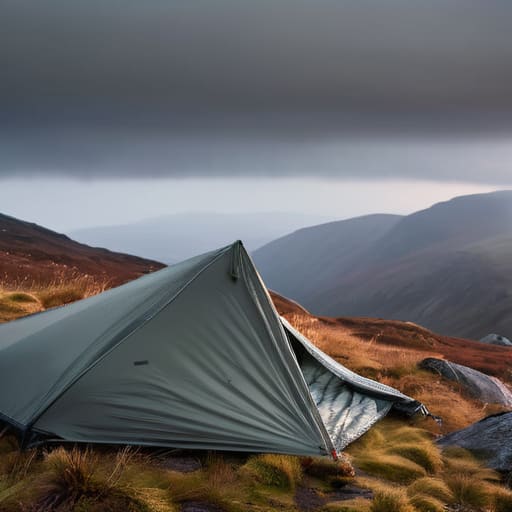
I don’t care how much a brand promises “ultralight” performance; if it fails when the temperature drops or the wind picks up, it’s just expensive rubbish. When you’re alone, your gear isn’t just equipment—it’s your lifeline. For me, the cornerstone of essential gear for solo hikers is a reliable, high-quality emergency bivvy. I’ve carried the SOL Escape Bivvy for four seasons now, through everything from damp Lake District valleys to freezing Scottish ridges, and it has never let me down when a descent took longer than planned. It weighs next to nothing, but it provides that crucial buffer between a long night and hypothermia.
Beyond shelter, don’t rely solely on your phone. I’ve seen too many people walk into a whiteout with nothing but a dead battery and a prayer. You need a dedicated compass and a physical map, and you need the wilderness navigation skills to use them when your hands are cold and your brain is tired. I’ve used my Silva Expedition compass for twelve years straight; it’s simple, it’s robust, and it doesn’t need a software update to tell you which way is north.
The Three Pillars of Not Being Your Own Worst Enemy
- Master your navigation before the light fails. I’ve seen too many people rely solely on a smartphone app, only to find a dead battery or a frozen screen halfway across a featureless plateau. You need a physical map and a compass, and you need to know how to use them in a downpour when your hands are numb. I’ve carried the Silva Expedition compass for fifteen years in every biting wind the Lakes has thrown at me; it doesn’t need a signal.
- Set a hard “turn-back” time. This is where the optimism gap kills people. You tell yourself you’ll reach the summit by 2:00 PM, but if you’re still climbing at 1:30 PM and the clouds are bruising, you turn around. Period. The mountain isn’t going anywhere, but your daylight and your safety margin certainly are.
- Leave a “dead man’s switch” with someone reliable. Don’t just tell a friend “I’m going for a walk.” Tell them exactly which trailhead you are using, your intended route, and—crucially—the exact time they should call the mountain rescue if they haven’t heard from you. If you miss that window, the clock starts ticking for them, too.
- Practice your “micro-decisions” in low stakes. Solo hiking is a series of small choices: whether to take the shortcut, whether to skip the extra layer, whether to push through a light drizzle. I’ve spent twenty years watching these small, “fine” decisions stack up until they become a crisis. Learn to listen to that small voice that says this feels wrong before it becomes a loud, panicked realization.
- Respect the silence and the solitude. When you’re alone, there is no one to bounce an idea off of or to help you carry the load when you twist an ankle. You have to be your own most sensible, most boring, and most cautious companion. If you wouldn’t let a clumsy friend make a decision, don’t make it yourself.
The Cost of a Wrong Turn
Solo hiking isn’t about the bravery of being alone; it’s about the discipline of being your own most demanding supervisor, because when the mist rolls in and the light fails, there is no one there to tell you that your optimism has finally outrun your common sense.
Bridget Halloran
The Final Word Before You Head Out
At the end of the day, solo hiking isn’t about conquering a peak or proving you don’t need anyone else; it’s about the discipline of the small things. It’s about checking that ridge forecast when the sun is still out, carrying the extra layer you think you don’t need, and having the humility to turn around when the cloud base drops faster than expected. You need gear that has actually been soaked through in a downpour, not just something that looks good in a catalogue, and you need a plan that accounts for the reality of your own fatigue. If you respect the margin for error, the mountains will respect you back.
There is a specific kind of clarity that comes when it is just you, the sound of your own breathing, and the movement of a peregrine across a scree slope. It is a quiet, profound way to exist in the world, provided you treat the environment with the seriousness it demands. Don’t go out looking for a fight with the elements; go out to observe them, to learn them, and to find that stillness. If you prepare for the worst-case scenario, you leave yourself the freedom to actually enjoy the best-case one. Pack your bag, check your knots, and go.
Frequently Asked Questions
How do I decide when a "marginal" weather forecast actually means I need to turn back before I'm halfway up a ridge?
You look for the “gap.” If the forecast says ‘scattered showers’ but you’re seeing cloud bases dropping below the ridge line or feeling that specific, heavy pressure drop in your ears, the forecast is already wrong. I’ve turned back when the wind was only a Force 4 because the visibility was blurring. If you’re debating it, you’ve already lost the argument with the mountain. Turn around while you still have daylight and a clear path.
If I’m solo, what’s the realistic limit on how much weight I should carry when I factor in the extra safety gear?
The short answer is: your pack weight should never compromise your ability to move quickly when the weather shifts. I’ve seen too many people hobble down a scree slope because they were carrying an extra two kilos of “just in case” kit. For a day hike, aim for under 8kg. If you’re going overnight, keep it to 15kg. If you can’t move with purpose when the wind picks up, you’re carrying too much.
How do I manage my navigation and route-finding without getting distracted or losing focus when I'm fatigued?
Fatigue makes you sloppy, and sloppiness on a ridge is dangerous. When the legs get heavy, your brain starts taking shortcuts. To stop this, stop moving before you’re actually lost. Find a dry spot, sit down, and pull out the map. Don’t rely on a phone screen when your eyes are blurring; use a physical map and compass. I’ve seen too many people try to “find the path” while walking. Stop, check, then move.