I once spent four hours in a freezing, sodden hollow on the Cairngorms, trying to coax a group of otherwise sensible people out of a growing panic. It wasn’t because they lacked expensive GPS units or high-tech emergency bivvies; it was because they had made one optimistic decision at the trailhead about how much daylight they actually needed. Most people think a complete guide to hiking safety means buying a massive list of shiny gadgets, but after twenty-two years of walking people off hills in the dark, I can tell you that gear won’t fix a lapse in judgment.
I’m not here to sell you a lifestyle or repeat a marketing brochure. This is my attempt at a complete guide to hiking safety built on the boring, unglamorous realities of mountain life—the stuff like reading a ridge forecast correctly, managing your layers before you start shivering, and knowing exactly when to turn around. I will tell you what works, what weighs too much, and what I have personally relied on during horizontal rain. If I haven’t tested it in the real world, I won’t recommend it.
Table of Contents
Weather Awareness for Hikers and the Art of Turning Back
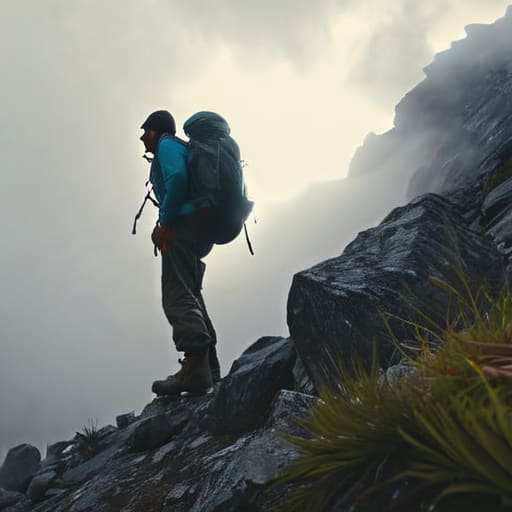
A forecast isn’t a promise; it’s a set of probabilities, and most people misread them. When I’m on a ridge, I’m not looking at the sun; I’m looking at the way the clouds are stacking or how the wind is shifting against the leeward side. Most accidents happen because someone saw a clear sky at the trailhead and decided that a sudden drop in temperature or a thickening mist was “just a bit of weather” they could push through. True weather awareness for hikers means recognizing that the gap between a pleasant stroll and a survival situation is often just one gust of wind or a twenty-minute window of visibility.
The hardest part isn’t reading the barometer, though—it’s the ego. It is incredibly difficult to tell your group, or yourself, that the day is over because the clouds look “wrong.” I have turned back more times than I can count, usually around 2:00 PM, because the wind was picking up or the temperature was dropping faster than the model predicted. Turning back isn’t a failure of preparation; it is the ultimate act of outdoor emergency preparedness. If you wait until you are shivering or lost to make that call, you are already behind the curve.
A Realistic Hiking Gear Checklist That Actually Weighs Out
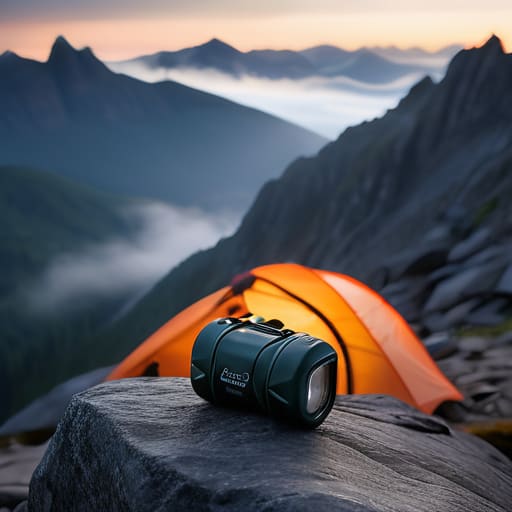
I don’t care what the marketing brochure says; a lightweight pack is useless if it’s filled with the wrong things. When I’m building a hiking gear checklist for a multi-day ridge walk, I start with the “oh no” items. I’ve spent twenty years watching people realize too late that they’ve traded safety for a few hundred grams. For me, that means a high-quality emergency bivvy and a proper headtorch with spare batteries. I’ve used my current Petzl headtorch every single weekend for three years, through sleet and heavy mist, and it hasn’t let me down once.
Beyond the layers, you need to be clinical about your wilderness first aid essentials. I carry a specific kit—not a generic one—that includes heavy-duty blister care, a space blanket, and a whistle. It’s about preventing mountain injuries from escalating into something much worse. I also never leave without a physical map and compass; I’ve seen too many people rely on GPS units that die the moment the temperature drops. If you haven’t practiced your trail navigation techniques in the rain, you aren’t ready for the hill.
The Small Decisions That Prevent Large Mistakes
- Trust your feet, not your ego. I’ve seen too many people push through a bruised ankle or a heavy fatigue because they felt they “had to” reach the summit. If your movement becomes a shuffle, you’ve already lost your safety margin. Stop, assess, and if you aren’t moving with purpose, start heading down.
- Master the art of the “Buffer Hour.” When you plan your route, add sixty minutes of daylight to your calculation. I’ve spent more than a few evenings guiding groups through the final mile in headtorch light because someone forgot that a descent takes longer than an ascent, especially when the terrain gets technical or the rain starts to slick the rocks.
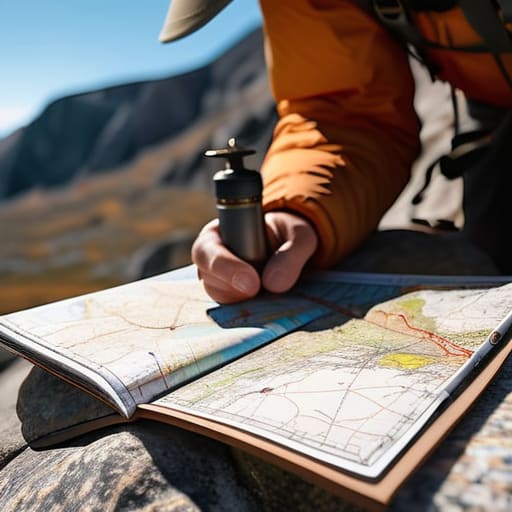
- Stop treating your phone like a survival tool. It’s a convenience, not a guarantee. I carry a dedicated GPS unit and a physical OS map—the kind you can actually fold—because batteries die in the cold and signal vanishes the moment you step into a proper corrie. If you can’t navigate with a paper map and a compass, you aren’t ready for the high ground.
- Learn to read the actual sky, not just the app. A forecast might say “light showers,” but that doesn’t tell you how the wind will feel when it hits a ridge or how quickly the temperature will drop once the sun dips behind a cloud bank. I always carry a heavy mid-layer, even if the forecast is clear, because the gap between a sunny valley and a freezing summit is much narrower than people think.
- Check your group’s “silent” skill levels. It’s easy to assume everyone is on the same page, but someone might be quietly struggling with their pace or feeling uneasy about the terrain. Before you leave the trailhead, have a direct conversation about what the plan is if someone gets tired or the weather shifts. A group is only as safe as its most hesitant member.
The Cost of Optimism
Most people think safety is about having the right kit in your bag; it’s actually about having the discipline to use it when you’d much rather pretend you don’t need it. I’ve seen more people in trouble because they refused to admit the clouds were moving faster than their pace than I have because of gear failure.
Bridget Halloran
The Margin for Error
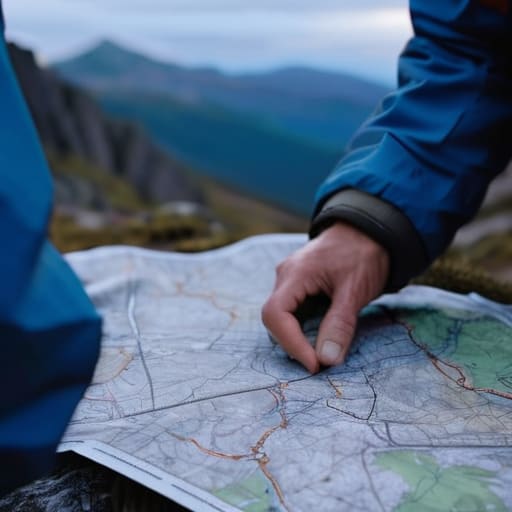
At the end of the day, safety isn’t about a single piece of high-tech gear or a perfect map; it is about the cumulative weight of your decisions. It is about knowing that your lightweight shell might fail in a sustained Force 6 wind, or that your “quick” three-hour loop can easily become a six-hour ordeal if the light fails. We have talked about checking the ridge-specific forecasts, packing layers that actually work, and the vital importance of an honest gear list. If you can master the boring fundamentals—the navigation, the timing, and the willingness to admit when a situation has shifted—you have already done more than most to ensure you make it back to the car.
There is a specific kind of quiet satisfaction that comes from a day well-spent, and it usually starts with a disciplined approach to the unknown. The hills don’t care about your ego or your itinerary, but they do reward those who respect the gap between a sunny valley and a freezing summit. I want you to go out there, to see the birds from the nest logs I’ve spent years tracking, and to feel the scale of the landscape. Just do it with your eyes open and your kit ready. The mountains will always be there tomorrow, provided you are smart enough to come home today.
Frequently Asked Questions
How do I know if my navigation skills are actually good enough for a solo ridge walk, or if I'm just being overconfident?
If you have to think about whether you’re being overconfident, you probably are. Real navigation isn’t just following a contour line on a map; it’s knowing exactly where you are when the mist drops and the landmarks vanish. Ask yourself: can you find your way back using only a compass and a bearing in zero visibility? If the answer involves “hoping for the best,” stay off the ridge. Soloing requires zero margin for error.
What are the specific signs of hypothermia I should look for in my group before it becomes an emergency?
Watch for the “umbles”: stumbling, mumbling, fumbling, and grumbling. If someone starts acting unusually irritable or loses their coordination, don’t wait. I’ve seen people try to “tough it out” through shivering, but once the shivering stops and they become lethargic or confused, you’ve moved from mild to severe. That’s when the situation turns critical. Get them out of the wind, get layers on, and start moving toward safety immediately.
At what point does a "minor" injury like a sprained ankle become a situation where I must call for help?
It’s the “can you walk” test, but with caveats. If you can limp steadily on it, you might manage. But if the pain is throbbing, the swelling is immediate, or—most importantly—you can’t put weight on it without your knee buckling, you’re stuck. Once you lose mobility, you lose your ability to manage weather and daylight. Don’t wait until you’re shivering and exhausted to call; call when you realize you can’t get yourself home.