I remember standing on a ridge in the Cairngorms back in 2012, teeth chattering and visibility dropping to about ten meters, watching a group of hikers stare blankly at a patch of crushed heather. They were looking for a massive, obvious footprint like something out of a textbook, completely missing the fact that the silence of the birds and the specific way the wind had flattened the bracken told the real story. Most people think learning how to read animal signs requires some expensive high-tech tracking guide or a degree in zoology, but that’s nonsense. Real tracking isn’t about finding a perfect print in the mud; it’s about noticing the subtle, often uncomfortable shifts in the landscape that happen right before the environment changes.
I’m not here to sell you on some romanticized, cinematic version of wilderness survival. Instead, I want to show you the unfiltered reality of what actually matters when you’re out there. I’ll be sharing the practical, often tedious details I’ve gathered over twenty-two years of working in the hills—from interpreting broken twigs to understanding why a sudden lack of movement in the canopy is more telling than any track. We’re going to focus on the small, quiet indicators that actually mean something, because if you can learn to see those, you’ll understand the woods far better than any glossy guidebook could ever teach you.
Table of Contents
Woodland Sign Reading Before the Light Fails
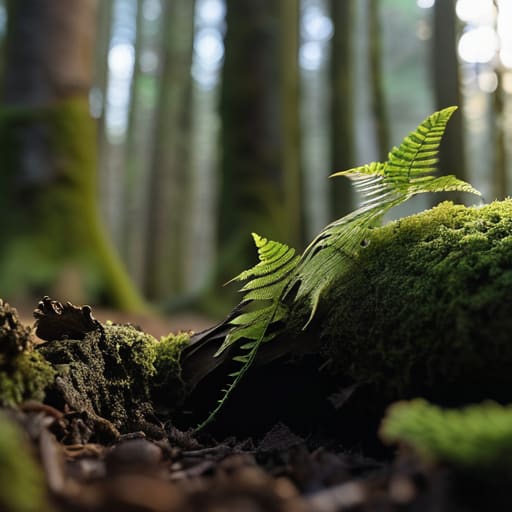
When the light begins to fail in a woodland setting, your eyes will lie to you. The shadows stretch, the textures of bark and leaf litter blur, and suddenly a fallen log looks a lot more like a sleeping badger than it did twenty minutes ago. To avoid wasting time chasing shadows, you need to shift your focus from visual scanning to more tactile woodland sign reading. I’ve spent years learning that the most reliable indicators aren’t always the obvious ones; they are the subtle disruptions in the undergrowth. Look for the way a fern has been crushed or the specific direction a twig has been snapped. If the break is clean, it’s likely recent; if it’s weathered and grey, you’re looking at old news.
As dusk settles, stop trying to spot the animal itself and start interpreting animal behavior in nature through the sounds and stillness. A sudden silence in the songbirds or a frantic scurry through the dry leaves tells you more than a direct sighting ever will. If you are identifying animal tracks in this low light, don’t just look for the print—look for the compression of the mud or the way the moss has been displaced. The sign is often more telling than the creature.
Detecting Wildlife Presence in the Subtle Details

You have to stop looking for the animal itself and start looking for the impact it has had on the landscape. Most people walk right past the evidence because they’re looking for a deer or a fox, but the real work is in detecting wildlife presence through the small, quiet disruptions. I spent a decade as a ranger noticing how a specific patch of bracken stays flattened long after a heavy rain, or how the moss on a particular north-facing root looks slightly more trampled than the rest. It isn’t always a clear footprint; sometimes it’s just the way the silence feels heavy in a particular thicket, or the sudden, sharp alarm call of a jay that tells you something is moving through the undergrowth just out of sight.
If you want to get serious, you need to move beyond just looking at shapes and start interpreting animal behavior in nature through the physical leftovers they leave behind. I keep a small notebook in my waterproof jacket for a reason—I find that if I don’t note the specific way a branch has been stripped or the exact location of a fresh pile of dung, I’ll forget the context by the time I’m back at the trailhead. It’s about the context of the environment, not just the sign itself.
Five Things I Look For When the Silence Changes
- Watch the canopy, not just the ground. If you’re scanning for tracks but the birds in the upper branches have suddenly gone quiet or started a frantic, repetitive alarm call, something is moving through the undergrowth. I’ve learned more from a sudden hush in the treetops than I ever have from staring at mud.
- Look for the “scuff” rather than the print. In heavy rain or over hard, frozen ground, you rarely get a perfect, textbook track. Instead, look for the way the moss is pushed aside or a slight disturbance in the leaf litter. If the pattern of the disturbance repeats, you’ve found a game trail.
- Check the “furniture” of the forest. I don’t just look for animals; I look for what they’ve done to the environment. A broken branch at shoulder height or a patch of flattened ferns isn’t always the wind; if it’s consistent with a specific direction of travel, it’s a sign of something much larger passing through.
- Listen for the rhythm of the woods. Real wildlife movement has a tempo. A heavy animal moving through bracken has a specific, rhythmic crunch that differs from the erratic, light skittering of a rodent. If the sound has a weight to it, pay attention to where it’s heading.
- Note the scent, especially when the air is still. On those damp, heavy mornings when the mist sits low, scent carries much further than sight. You might catch the musky, heavy smell of a deer or the sharp, metallic scent of a predator long before you see a single shadow move.
The Cost of Missing the Signs
Most people wait to see the animal itself, but by then, you’ve already missed the story. I’ve learned that the real work is in the quiet things—the way a branch is snapped too clean, the sudden heaviness in the air, or that specific, unsettling silence that tells you something is watching. If you aren’t reading the landscape, you’re just a tourist walking through a room you don’t understand.
Bridget Halloran
The Quiet Work of Noticing

At the end of the day, reading signs isn’t about memorizing a textbook of tracks; it is about training your eyes to catch the disruptions in the pattern. Whether it is the way a fern has been crushed by a heavy mammal or the specific, heavy silence that settles when a raptor is circling overhead, these details are the language of the landscape. You have to look for the matted grass, the broken twigs, and the subtle shifts in the woodland’s rhythm before the light fails and your ability to see anything at all disappears. It is a process of connecting small, seemingly insignificant clues into a coherent picture of what is moving through the shadows around you.
I have spent twenty-two years walking these hills, and I can tell you that the most rewarding moments rarely come from seeing the animal itself. Instead, they come from that sudden, electric realization that you are standing in the middle of a living, breathing story that was happening long before you arrived. Learning to read these signs changes your relationship with the outdoors; it turns a simple walk into a constant, quiet conversation. Respect the pace of the woods, stay observant, and remember that the most important things are often the ones that don’t make a sound.
Frequently Asked Questions
How can I tell the difference between a fresh track and one that's been sitting in the mud for a few days?
Look at the edges of the print. A fresh track has sharp, crisp margins where the mud is still slumped or pushed up slightly around the weight point. If it’s been sitting for a few days, the edges will have softened or begun to settle back into the surrounding soil. I’ve spent countless hours in the peat bogs of the Highlands checking this; if the water has started to pool in the indentation, it’s old news.
What are the best ways to spot signs of larger predators when the weather is heavy or the wind is picking up?
When the wind is howling or the rain is horizontal, your eyes become secondary to your ears and your intuition. You won’t see a fresh track in a deluge, so you look for the absence of noise. If the local birdlife suddenly goes quiet—that heavy, unnatural silence—something is moving through the scrub. Watch for the way the heavier branches sway out of rhythm with the wind. It’s usually the only tell you’ll get.
Are there specific signs I should look for to know if a particular area is a nesting site rather than just a passing route?
Look for the “settled” signs. A passing route is transient; you’ll see tracks or scat, but the landscape remains indifferent. A nesting site feels heavy. I look for specific territorial markers: a singular, repeated scrape in the dirt, or a specific branch being stripped of its bark. Most importantly, listen for the silence. If the local songbirds suddenly go quiet in a specific patch of scrub, something is watching from above. That’s rarely just a passerby.