I can still smell the wet wool and the metallic tang of that first real sleet hit back in the Cairngorms—the kind that doesn’t just fall, but bites. I was leading a group of four, all of us convinced that the summit was “just over the next rise,” ignoring the fact that the light was failing and the wind had shifted from a breeze to a low, rhythmic growl. That’s the moment where the internal debate starts, and knowing how to decide to turn back isn’t about some grand, heroic realization; it’s usually just a quiet, sinking feeling in your gut that the math of the mountain no longer adds up.
I’m not here to give you a checklist of emergency protocols or tell you to buy a more expensive GPS. Instead, I want to talk about the subtle, messy reality of mountain decision-making. I’ll be sharing what I’ve learned from twenty-two years of watching the weather turn and the daylight vanish, focusing on the practical indicators that tell you your window is closing. This isn’t about being a quitter; it’s about having the discipline to survive the walk home.
Table of Contents
Evaluating Situational Risk Before the Weather Breaks

Evaluating situational risk isn’t about waiting for a lightning strike; it’s about noticing the subtle shifts in the environment before they become emergencies. I’ve spent years watching groups ignore the way the wind begins to buffet the heather or how the light turns that specific, bruised shade of purple on the horizon. You have to look for the small things—the way your pace slows because the ground is getting wetter, or how the temperature drop feels more aggressive than the forecast suggested. Recognizing danger signs early is often just a matter of checking your internal thermometer against the actual reality of the ridge.
The hardest part, though, isn’t the weather—it’s the mental shift. We all fall prey to the sunk cost fallacy in decision making, telling ourselves we’ve already walked four hours and three miles of ascent, so we might as well push for the summit. I’ve seen too many people let their ego drive them into a situation where they’re suddenly shivering in a tent they can’t pitch because the wind has become a gale. You have to be willing to admit that the day you planned isn’t the day you’re having.
Recognizing Danger Signs in the Clouds and the Terrain
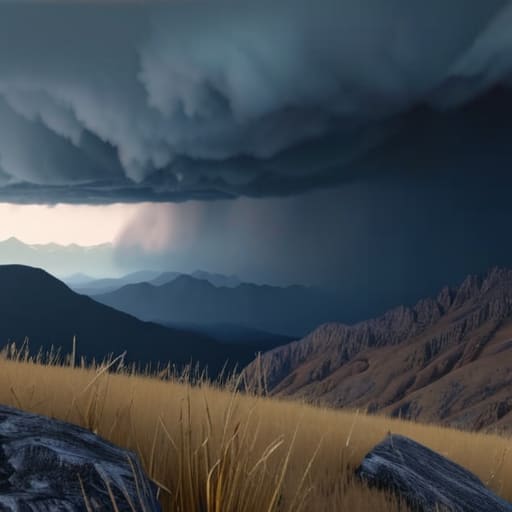
You don’t need a meteorologist to tell you when the atmosphere has shifted; you just need to watch the way the light changes. I’ve spent enough years on the high ground to know that when the clouds stop drifting and start stacking, the conversation is already over. It’s that heavy, bruised look to the sky—the kind that makes the air feel thick—that should trigger an immediate re-evaluation. If you see those sudden, vertical developments building behind a ridge, you aren’t looking at a passing shower; you’re looking at a cell. Recognizing danger signs in the sky isn’t about being a pessimist; it’s about reading the script before the climax hits.
The terrain will tell you the same thing, often more brutally. If the ground is turning from a sponge to a slide, or if the wind has moved from a steady breeze to those unpredictable, buffeting gusts that catch you mid-stride, the margin for error has just vanished. This is where the psychology of retreat becomes difficult. It’s easy to look at a steep, scree-covered slope and think you can muscle through, but that’s usually just your ego trying to outrun a bad decision. When the terrain starts feeling like an adversary rather than a path, it’s time to stop negotiating.
The Subtle Math of Turning Around

- Check your watch against your daylight, not your itinerary. A plan might say you reach the summit at 2:00 PM, but if the clouds are dropping and the temperature is falling faster than the forecast suggested, that two-hour buffer is already gone. I’ve seen too many groups find themselves navigating a scree slope in a headtorch because they were too focused on the summit and not enough on the clock.
- Listen to the group’s silence. When the chatter stops and the pace slows because people are shivering or struggling with their footing, the decision is already made; you’re just waiting for the courage to say it out loud. If I’m leading and I notice the energy shifting from excitement to endurance, I’m turning them around regardless of how close the ridge is.
- Stop treating ‘marginal’ as ‘manageable’. There is a massive difference between a gusty day and a day where the wind is physically pushing you off your line. If you find yourself constantly adjusting your weight just to stay upright, you aren’t hiking anymore—you’re surviving, and you’re using up your mental reserves for a view that will likely be obscured by mist anyway.
- Respect the ‘Point of No Return’ for your gear. If you are halfway through a section where the terrain gets technical or the exposure increases, and you realize your layers are inadequate or your boots are soaking through, stop immediately. It is much easier to turn back on a gentle slope than to try and retreat from a scramble once the rain has turned everything into a slip hazard.
- Trust your gut over your GPS. Technology is excellent for navigation, but it has no intuition. If the map says the path is clear but the ground feels unstable, or if the air suddenly feels ‘heavy’ in a way that signals a pressure drop, listen to that instinct. That feeling is usually just your brain processing twenty years of environmental cues faster than you can consciously name them.
The Cost of One Optimistic Decision
Most people think turning back is a failure of will, but in my experience, it’s just a matter of math. You weigh the remaining daylight and the speed of the wind against that one optimistic decision you made at the trailhead, and if the numbers don’t add up, you turn around. The mountain doesn’t care about your itinerary, and it certainly won’t wait for you to realize you’ve misread the sky.
Bridget Halloran
The Decision is the Goal
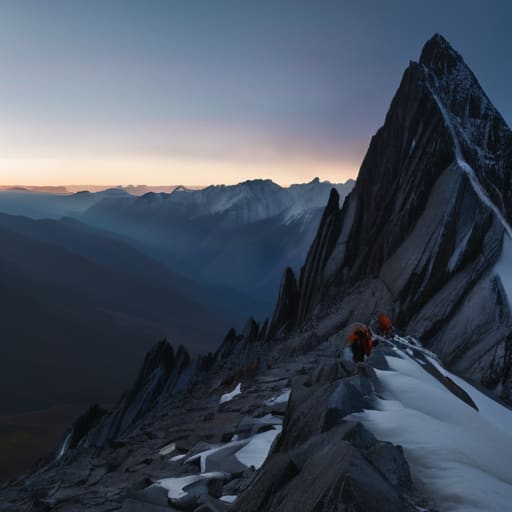
Ultimately, deciding to turn back isn’t a failure of ambition; it’s a successful application of judgment. You have to weigh the darkening sky, the slowing pace of your group, and that nagging feeling in your gut against the summit you haven’t reached yet. If the wind is picking up on the ridge and your daylight is draining faster than your energy, the math is simple. Don’t wait for a crisis to force your hand. The most important skill you can bring to the hills isn’t how well you can navigate a compass or how light your pack is, but the ability to recognize the threshold between a challenging day and a dangerous one before the weather makes the choice for you.
I’ve seen too many people push through that line because they didn’t want to feel like they had “lost” to the mountain. But the mountain doesn’t care about your ego, and it certainly doesn’t care about your itinerary. There is a profound, quiet strength in being the person who says, “We’re heading down now.” It’s a decision that allows you to live to see the next sunrise, and more importantly, it ensures you’ll be back out there tomorrow. The mountain will still be there when the conditions clear, but your safety is a finite resource. Respect the gap between optimism and reality, and you’ll find the hills are a much kinder place to walk.
Frequently Asked Questions
How do I distinguish between standard mountain fatigue and something more serious that requires an immediate descent?
Fatigue is heavy limbs and a desire for a sit-down; it’s manageable with a snack and a steady pace. Serious trouble is different. If someone is stumbling, becomes uncharacteristically quiet, or starts making nonsensical decisions—like trying to take off a jacket in a gale—that’s not tiredness. That’s the onset of hypothermia or exhaustion. If the coordination isn’t there, the descent needs to happen immediately. Don’t wait for them to “push through.”
At what point does a "marginal" weather forecast become a definitive reason to cancel the trip before I even leave the car?
You cancel when the “marginal” forecast matches your group’s lowest common denominator. If you’re with experienced walkers, a chance of heavy rain is just a wet Tuesday. But if you’re with people who struggle with navigation or gear management, that same forecast is a red flag. I look at the wind speeds on the ridges, not the valleys. If the gusts are predicted to hit a level where your tent won’t hold or your gaiters won’t keep up, stay in the car.
How can I manage the social pressure of turning back when I'm leading a group of people who are determined to reach the summit?
You have to own the decision before you even leave the car. I tell my groups early: “The summit is optional; getting home is mandatory.” When that pressure builds, don’t argue about the view. Instead, point to the facts—the dropping temperature or the darkening clouds. I’ve spent twenty years watching people trade their safety for a photo op, and it never ends well. Be the leader they need, not the one they want.