I remember standing on a ridge in the Cairngorms three years ago, watching the light die while a group huddled under a single, inadequate tarp. They weren’t looking for a technical manual; they were looking for a way to signal for help before the hypothermia set in. There is this pervasive, polished myth that knowing how mountain rescue is called out requires some high-tech satellite gadgetry or a specialized emergency frequency. In reality, most calls happen because someone realized too late that their optimism had outpaced the weather, and they’re left staring at a phone with zero signal and a rapidly dropping temperature.
I’m not here to sell you on expensive GPS beacons or peddle fear. I want to talk about the gritty, unglamorous reality of what actually happens when that distress call goes through. I’ll be walking you through the actual mechanics of the process—from the initial 999 call to the moment the teams are mobilizing—based on what I’ve seen from both sides of the radio. You won’t get any marketing fluff here; just the honest, practical truth about how the system works when things actually go wrong.
Table of Contents
The Gap Between Panic and Emergency Communication in Wilderness
There is a specific, hollow kind of silence that settles in right before the panic starts. It’s that moment when you realize the person sitting next to you isn’t just tired, but actually hurt, and the wind is picking up. In that gap, people often freeze. They stare at their phones, waiting for a signal bar that isn’t coming, or they try to rationalize a situation that has already moved past the point of “we’ll be fine.” This is where the breakdown happens. Most people think emergency communication in wilderness areas is a matter of pressing a button and waiting for a helicopter, but the reality is much more frantic and much less organized than the brochures suggest.
When the decision is finally made to act, the quality of the information you provide dictates everything. If you are reporting hiking accidents through a patchy mobile connection, you cannot afford to be vague. I’ve seen too many calls where the caller is too breathless or too frightened to give anything useful. The difference between a swift response and a three-hour delay often comes down to one thing: providing precise GPS coordinates instead of saying “we’re near the old cairn.” A cairn is a landmark; a coordinate is a destination.
Mastering the Emergency Services Mountain Distress Signal
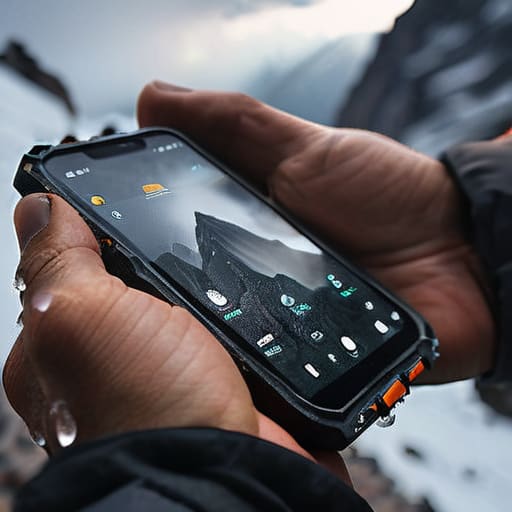
When the panic starts to settle, you have to force your brain to switch from “victim” to “operator.” If you are the one making the call, the most important thing you can do is stop talking about how you feel and start talking about where you are. The emergency services mountain distress signal isn’t a cry for help; it is a data transfer. I’ve been on the receiving end of many calls where the person was too breathless to give a location, wasting precious minutes while the mountain rescue mobilization process stalled because the dispatcher was working with nothing but “near the big rock.”
Don’t rely on landmarks. A “large boulder” looks different from a helicopter than it does from the ground, and in a whiteout, it might not exist at all. You need to be providing precise GPS coordinates from your phone or watch. I’ve carried the Garmin inReach for six years now, through every gale and sleet storm in the Lakes, and it has never let me down for this exact reason. If you can’t get a signal, the old-fashioned six blasts of a whistle or six flashes of a torch is your lifeline. Just remember: six signals, one minute of silence, then repeat.
Five Things That Actually Matter When the Call Goes Out
- Trust your gut, not your ego. If you’re looking at a cloud formation that looks like a bruised knee and your group is already shivering, call it now. I’ve spent twenty years seeing people try to ‘push through’ for one more ridge, only to end up as a recovery mission instead of a rescue.
- The ‘Where’ is more important than the ‘What’. When you finally get through to someone, don’t start by describing your twisted ankle. Start with your location. If you have a GPS device or a smartphone, give them the coordinates immediately. A vague description like ‘near the big rock’ is useless when we’re trying to coordinate a helicopter or a ground team in a gale.
- Conserve your phone’s life like it’s your last liter of water. If you have signal, send a text or use an emergency app rather than staying on a voice call. A text uses much less battery and can often punch through a weak signal when a voice call simply fails. Once that battery hits zero, you’re just another person in the dark.
- Stay put once you’ve made the call. The biggest mistake I see is people trying to ‘walk towards help’ or find a better signal after they’ve reported their position. You are a moving target. If you stay where you said you were, we can actually find you.
- Prepare for the wait, not the rescue. Calling for help is just the beginning of a very long, very cold period of sitting still. If you haven’t packed a dedicated survival bag or an extra thermal layer—something I’ve carried in my own pack for every single walk for the last twelve years—you are making a very dangerous gamble with your body temperature.
The Cost of a Late Decision
People tend to think a mountain rescue call is a sudden, dramatic event, but more often than not, it’s just the final, inevitable result of three hours of ignoring the wind and a single, overly optimistic decision to stay on the ridge after sunset.
Bridget Halloran
When the Decision is Made
At the end of the day, calling out mountain rescue isn’t a failure of your expedition; it is the final, necessary step in a chain of survival. We’ve talked about the technicalities—the six blasts of a whistle, the signal of a torch, the vital importance of a precise location—but none of that matters if you haven’t already assessed the true cost of staying put. You have to recognize the moment when your gear, your training, and your remaining daylight are no longer enough to bridge the gap between a difficult situation and a genuine emergency. Don’t wait for the hypothermia to set in or the light to vanish completely before you make that call. The best time to trigger a rescue is while you still have the clarity to do it effectively.
I have spent twenty-two years watching the weather turn on a dime and watching people realize, far too late, that their optimism had outpaced their reality. The mountains don’t hold a grudge when you turn back or call for help, but they certainly don’t offer second chances once the temperature drops below freezing. Respect the terrain, listen to your gut when the wind starts to bite, and remember that the most professional thing you can do is know when you are out of your depth. Go out, enjoy the ridges and the raptors, but always leave yourself enough margin to get home.
Frequently Asked Questions
If my phone has no signal on the ridge, what are my actual, practical options for getting a message out?
If you’re on a ridge and the bars disappear, stop pacing. You won’t find signal by moving aimlessly; you need height or a line of sight. Try a text rather than a call—SMS packets need far less bandwidth to punch through. If that fails, look for the highest local ground, but don’t wander into danger to find it. If you have a PLB or Garmin inReach, use it. I’ve carried my InReach for four seasons through constant sleet; it’s the only thing I trust when the mobile network fails.
At what point does a "difficult situation" become a legitimate reason to call mountain rescue, and how do I avoid wasting their time?
The line is drawn when your ability to manage the situation safely evaporates. If you’re shivering uncontrollably, losing daylight, or a minor injury means you can’t move without help, that’s the moment. Don’t wait for a crisis to become a catastrophe. I’ve seen too many people stay put because they didn’t want to “bother” anyone, only to end up as a midnight recovery. If your decision-making is compromised, call.
How much of the rescue process is actually controlled by the person in distress versus the team making the call?
In reality, you control the initial spark, but you lose the reins almost immediately. You provide the “what” and the “where”—and if you get those wrong, the whole process stutters—but once that call is made, the rescue team takes the wheel. They manage the logistics, the timing, and the risk assessment. Your job is to stay still, stay warm, and stay put. Once they’re moving, it’s their mission, not yours.