I remember a group I was leading in the Cairngorms three summers ago—the sun was uncharacteristically relentless, and everyone was pushing for the ridge. One lad started stumbling, not because he was tired, but because he’d been ignoring that dull, heavy throb in his temples for the last hour. People tend to treat heatstroke like a sudden emergency, but it’s rarely a lightning strike; it’s a slow, quiet erosion of your ability to think clearly. If you want to know how to spot and treat heat exhaustion, you have to stop looking for a dramatic collapse and start looking for the small, subtle shifts in how your companions are acting.
I’m not here to give you a list of medical jargon or tell you to buy a specialized cooling vest that weighs more than a liter of water. I’ve spent twenty-two years watching how bodies actually fail when the temperature climbs and the shade disappears. In this guide, I’m going to tell you exactly what those early warning signs look like in the field and, more importantly, how to manage them before a manageable situation turns into a mountain rescue call-out.
Table of Contents
Decoding the Signs of Dehydration in Extreme Heat
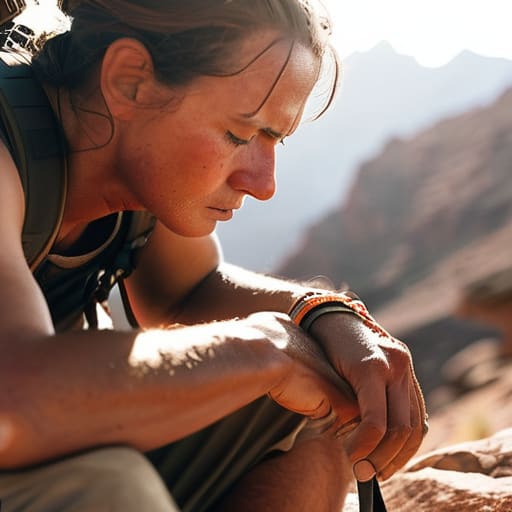
By the time you’re feeling thirsty, you’ve already lost the battle. I’ve seen it happen on long traverses where the group is moving too fast; they think they can outrun the sun, but the body doesn’t work that way. One of the first signs of dehydration in extreme heat isn’t actually thirst—it’s a sudden, inexplicable dip in cognitive function. You’ll notice someone in the group becoming uncharacteristically quiet, or perhaps they start fumbling with their kit. If they can’t remember a simple instruction or seem unusually irritable, their brain is already struggling with the fluid deficit.
The physical markers follow closely behind. You’ll see skin that looks tacky or, more worryingly, skin that has stopped sweating entirely despite the heat. This is where the line gets thin between a manageable situation and a crisis. It is vital to learn the symptoms of heatstroke vs heat exhaustion because the former is a medical emergency that requires immediate intervention. If the skin feels hot and dry, or if they become confused, you aren’t just dealing with dehydration anymore; you are looking at a systemic failure that requires professional help.
Symptoms of Heatstroke vs Heat Exhaustion Knowing the Difference
This is where the distinction becomes a matter of life and death. I’ve seen people try to “walk off” heat exhaustion, thinking it’s just a bit of fatigue, only to have it escalate into a medical emergency before they’ve even reached the next col. With heat exhaustion, your body is still trying to fight; you’re likely sweating heavily, feeling nauseous, and your pulse might be fast, but you are still present. You can usually manage this with shade and aggressive rehydration strategies for heat exhaustion, provided you catch it early.
Heatstroke, however, is a different beast entirely. If the sweating stops and their skin feels hot and dry, or if they start acting confused and disoriented—stumbling like they’ve had too much to drink—you are no longer dealing with a discomfort issue; you are dealing with a system failure. When you see that mental fog, you stop everything. This is the moment for emergency first aid for heat illness: you need to get them out of the sun and find ways to lower their core temperature immediately. In my experience, the transition from “feeling unwell” to “dangerously overheated” happens much faster than most people expect.
Five Ways to Stop Optimism from Turning Into a Medical Emergency

- Watch for the “mental fog” before the physical symptoms hit. If your group starts getting unusually quiet, or if someone who is normally sharp starts making silly mistakes with their kit or losing their sense of direction, don’t assume they’re just tired. That cognitive decline is often the first sign that their core temperature is climbing.
- Stop the ascent the moment the heavy sweating begins. I’ve seen too many people try to “push through” the last mile to a summit, thinking they can outrun the heat. If someone is sweating profusely and feeling nauseous, the ridge is no longer the goal; finding shade and stopping is the only way forward.
- Implement a mandatory shade break every hour, even if everyone feels fine. I’ve used my lightweight Silnylon tarp—about 450g, used in high winds and direct sun for three seasons now—to create instant shelter. Getting people out of direct solar radiation is more effective than trying to fix the problem once they’ve already collapsed.
- Sip, don’t gulp. If you’re treating someone showing signs of heat exhaustion, give them water or an electrolyte solution in small, frequent amounts. Chugging a liter of water straight from a bladder can often trigger vomiting, which only accelerates the dehydration and makes the situation much harder to manage.
- Use active cooling on the “hot zones.” If someone is struggling, strip off their heavy layers and apply cool, damp cloths to their neck, armpits, and groin. I’ve carried a small, lightweight microfiber towel in my kit for ten years specifically for this; it’s much more effective than just sitting there waiting for the body to regulate itself.
The Cost of One Optimistic Decision
I’ve seen it happen more times than I care to count: a group is pushing for a summit, the sun is relentless, and someone starts making those small, quiet mistakes—the heavy breathing, the slight stumble, the sudden lack of interest in the view. By the time the headache sets in, they aren’t just tired; they are sliding toward a crisis. You don’t treat heat exhaustion by ‘pushing through’; you treat it by stopping, finding shade, and accepting that the summit can wait, because the mountain doesn’t care about your itinerary once your brain starts overheating.
Bridget Halloran
The Decision to Turn Back
At the end of the day, managing heat is about recognizing that your body isn’t a machine you can simply override with willpower. If you notice the headache, the sudden nausea, or that tell-tale cessation of sweating, you have already moved past the point of “pushing through.” You need to stop, find shade, and start the cooling process immediately—water, shade, and removing excess layers. I’ve seen too many people try to negotiate with their symptoms while climbing a ridge, only to find themselves incapacitated when the terrain gets technical. Remember, the symptoms don’t get better while you’re moving; they get worse. Identifying the difference between exhaustion and the much more dangerous heatstroke is the difference between a long afternoon in the shade and a emergency mountain rescue call-out.
There is a certain kind of pride we take in reaching the summit, but I have learned over twenty-two years that the most successful walk is the one where you return to the car feeling capable, not broken. The mountains will still be there tomorrow, and the views aren’t going anywhere, but your health is a finite resource. Learning to respect your limits isn’t a sign of weakness; it is the mark of a seasoned, competent hiker. Don’t let one optimistic decision turn a beautiful day into a crisis. Listen to your body before it starts screaming at you, and you’ll find much more joy in the long, slow miles ahead.
Frequently Asked Questions
If I’m out on a ridge and someone shows signs of heat exhaustion, how do I know if it's safe to keep moving toward the exit or if we need to call for help immediately?
If they’re stumbling, confused, or stop sweating, stop moving. That’s heatstroke, and you’re looking at an emergency. On a ridge, the wind helps, but it won’t fix a failing core. If they can still walk and talk rationally, get them into the shade, get fluids in them, and start a slow, measured descent. If they can’t keep their balance or their mental state shifts, don’t gamble with the weather; call for help immediately.
I’ve heard people say you should drink electrolytes, but does that actually make a difference in an emergency, or is plain water enough to stop the symptoms?
In an emergency, plain water is better than nothing, but it isn’t a complete fix. If you’ve been sweating heavily for hours, you aren’t just losing water; you’re losing salts. If you only drink plain water, you risk diluting your remaining sodium, which can actually make you feel more nauseous and dizzy. I always carry electrolyte tabs in my kit—I’ve used them through three full days of heavy trekking in humid conditions—and they make a massive difference in preventing that specific, hollow-headed fatigue.
How much of this is actually about the temperature itself versus the humidity or the sheer physical effort of a steep ascent?
It’s rarely just the thermometer reading. I’ve seen people fine at 25°C in dry air, but struggling in 20°C with 80% humidity because their sweat can’t actually evaporate to cool them down. Then you add a 600m ascent with a heavy pack. That physical effort generates internal heat faster than the air can strip it away. It’s the combination of high humidity stopping evaporation and the metabolic heat from the climb that usually catches people out.