
I remember standing on a ridge in the Cairngorms three years ago, watching a client realize their “waterproof” shell was actually acting like a sponge. We were caught in a sideways sleet that wouldn’t quit, and as the heavy, cold dampness soaked through his base layers, the mood shifted from “scenic hike” to genuine survival situation in about twenty minutes. Most people think a complete guide to gear maintenance is about buying expensive specialty sprays or following some high-tech ritual, but that’s nonsense. In my experience, gear failure isn’t usually a sudden explosion; it’s the slow, quiet death of a seam or a zipper that’s been neglected for three seasons until it decides to quit when you’re miles from the trailhead.
I’m not here to sell you on some shiny new cleaning kit or repeat the marketing fluff you’ll find on a manufacturer’s website. Instead, I’m going to give you the unvarnished truth about how to actually look after what you own. This is a no-nonsense approach to keeping your kit functional, based on twenty-two years of seeing what happens when things go wrong. I’ll tell you exactly what I do to my own kit after a week in the mud, and more importantly, I’ll tell you when to stop worrying about the small stuff and focus on what actually keeps you dry and safe.
Table of Contents
Cleaning Outdoor Gear Before the Weather Turns
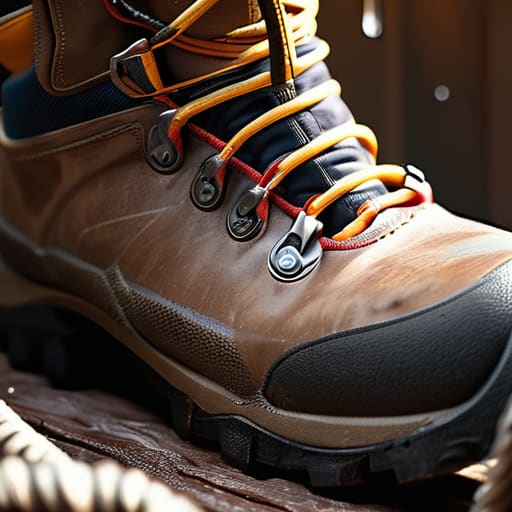
If you wait until you’re staring at a leaking seam in a gale to start cleaning your gear, you’ve already lost the battle. I’ve spent more nights than I care to admit shivering in a tent that felt more like a sieve because I’d let salt from sweat and grit from the trail build up in the fabric. A proper gear inspection routine isn’t just about looking for holes; it’s about clearing the microscopic debris that eats away at your kit. I make it a rule to strip down my technical layers and hardshells every time I return from a multi-day stint, especially if I’ve been working in high humidity or heavy mud.
When it comes to protecting technical fabrics, you cannot simply toss a high-end Gore Tex jacket into a standard wash cycle with your gym clothes. I’ve used the same Rab shell for four seasons now, and its breathability only holds up because I use a specific technical wash to strip the oils out of the membrane. If you leave that grime there, the jacket stops breathing, you overheat, you sweat more, and suddenly you’re damp and miserable before you’ve even reached the ridge.
Protecting Technical Fabrics From Unexpected Failure

The biggest mistake I see people making is treating their hardshells like regular laundry. I’ve spent fifteen years watching high-end Gore-Tex jackets lose their effectiveness, not because the fabric failed, but because the DWR (Durable Water Repellent) coating was washed away with standard detergent. I’ve used my Arc’teryx Beta AR in everything from sleet in the Cairngorms to heavy mist in the Lake District for four seasons now, and I can tell you that once that water stops beading and starts soaking into the face fabric, you aren’t just wet—you’re losing body heat. Part of a solid preventative maintenance checklist is checking that bead effect every time you get home. If the water is wicking in, it’s time for a technical wash and a re-application of spray-on DWR.
It isn’t just about waterproofing, though; it’s about the structural integrity of the membranes. I make it a point to include a gear inspection routine in my post-trip ritual, specifically looking for delamination—that annoying peeling where the internal coating separates from the outer shell. I once led a group through a three-day soak in the West Highlands with a jacket that looked fine on the surface but had actually failed internally. We spent the final night shivering because the breathability had vanished. Don’t wait for the wind to find the holes.
The Small Things That Save Your Skin (and Your Wallet)
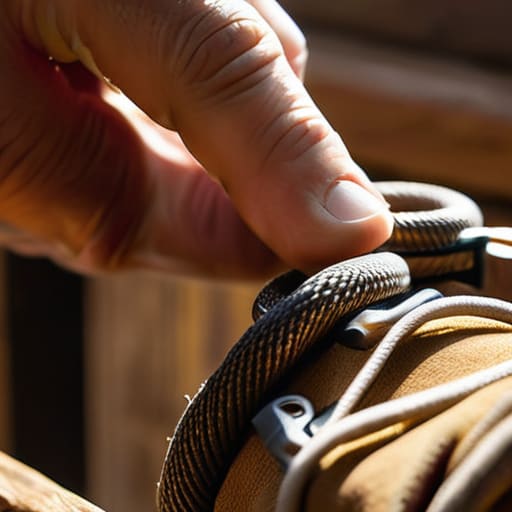
- Check your boot laces and stitching every time you pack them away; I’ve seen more people stranded because a lace snapped on a descent than I have because of a failed sole, and it’s usually because grit has been grinding away at the fibers for months.
- Don’t let your sleeping bag sit compressed in its stuff sack for months at a time; I’ve spent twenty years watching loft disappear because people treat their bags like they’re in a permanent state of travel, and once that down loses its spring, it won’t keep you warm when the temperature drops.
- Inspect your tent pegs and guy lines for fraying or bends after every trip, especially if you’ve been on rocky ground; I once had a group huddled in a nylon sheet during a gale because a single corroded peg gave way, and that’s a mistake you only make once.
- Clean the salt and sweat out of your backpack straps and hip belts immediately after a heavy multi-day trip; I’ve used my current Osprey for six seasons now, and if I didn’t wash the salt out of the padding, the fabric would have started disintegrating from the inside out by year three.
- Test your headtorch batteries and check the contact points before you leave the house, not when you’re halfway down a scree slope in the dark; I’ve spent far too many evenings waiting for a group to find their way because they assumed a “new” battery was a “good” battery.
The Cost of Neglect
I’ve sat in the lee of a granite outcrop at 800 metres, watching a group struggle because a supposedly ‘waterproof’ jacket turned into a sponge, and it wasn’t because the brand was bad—it was because they’d let the grit and salt build up in the pores until the membrane simply gave up. Maintenance isn’t about making your kit look new; it’s about ensuring that when the weather turns from a nuisance to a threat, your gear actually does the one job you’re paying it to do.
Bridget Halloran
The Cost of Neglect
At the end of the day, gear maintenance isn’t about being precious with expensive kit; it’s about managing risk. Whether it’s scrubbing the grit out of a tent zipper to prevent it seizing in a gale, or ensuring your hardshell hasn’t lost its ability to breathe, these small, repetitive actions are what close the gap between a manageable evening and a genuine emergency. I’ve seen too many people realize their waterproofing has failed only when the wind picks up on a ridge and the moisture starts soaking through to their base layers. If you take ten minutes after every trip to clean, dry, and inspect your kit, you aren’t just extending the life of your equipment—you are ensuring it performs exactly when you need it most.
The mountains don’t care how much you spent on your kit, and they certainly won’t forgive a lapse in preparation. I’ve spent twenty-two years watching the weather shift from a gentle drizzle to a life-altering storm in the time it takes to pitch a tent, and the difference is almost always found in the details of preparation. Don’t wait for a breakdown to start caring about your gear. Treat your maintenance like you treat your navigation: do it thoroughly, do it early, and do it before you’re halfway up a climb. That way, when the clouds roll in and the light starts to fail, you can focus on the terrain and the birds, rather than worrying about whether your gear is going to let you down.
Frequently Asked Questions
If I’ve been using my waterproof jacket in heavy rain for three seasons, how do I know if the DWR coating is actually gone or if I just need to re-wash it?
The easiest way to tell is the “beading test.” If you’re standing in a steady downpour and the water is soaking into the face fabric rather than rolling off in beads, your DWR has failed. I’ve used my Arc’teryx shell in relentless Lakeland rain for four seasons; when it starts looking “wet” or heavy, a technical wash and a tumble dry on low usually brings the beads back. If it still wets out after that, it’s time for a spray.
Is there a specific way to dry out my sleeping bag after a damp trip that won't ruin the loft and insulation?
Don’t ever, under any circumstances, hang your bag by the corners to dry. I’ve seen too many people do that, only to find the down has all clumped at the bottom in a sodden mass. Spread it out flat on a drying rack in a room with decent airflow—not directly on a radiator, or you’ll cook the loft right out of it. I’ve spent three days gently massaging my goose down bag after a wet trek in the Cairngorms, and it’s the only way to ensure those clusters separate properly.
At what point does a piece of gear—like a worn-out boot or a fraying rope—become a genuine safety risk rather than just something that needs a bit of repair?
It’s when you stop thinking about the flaw and start making excuses for it. If you’re telling yourself “it’s only a small fray” or “the waterproofing is just a bit patchy,” you’ve already crossed the line. I’ve seen enough people slip because their lugs were gone or freeze because a seam failed. When the gear stops being a tool and starts becoming a variable you have to manage, it’s dead. Bin it.