I once watched a group of hikers freeze on a ridge in the Cairngorms because they’d bought a “top-rated” hardshell that was essentially just a glorified windbreaker. They’d read every glossy, high-production review on the internet, but none of those reviewers had actually stood in a horizontal sleet storm for six hours trying to keep their core temperature up. That’s the problem with the current state of the industry; most people don’t actually know how to evaluate gear reviews critically, so they end up buying a lifestyle aesthetic rather than a piece of survival equipment. They mistake a polished marketing video for a technical assessment, and in my experience, that’s a mistake that usually ends with a very long, very cold walk back to the car.
I’m not here to sell you on anything, and I certainly won’t be repeating a press release back to you. My promise is simple: I will show you how to look past the shiny photography to find the actual data—the weight, the specific weather conditions, and the honest wear-and-tear after hundreds of miles. We are going to focus on the details that matter when the daylight is fading, so you can stop gambling with your kit and start trusting your decisions.
Table of Contents
- Spotting the Script Identifying Sponsored Content and Affiliate Marketing B
- The Truth in the Details Assessing Real Product Testing Methodology
- The Five Red Flags: What to Look for When the Hype Doesn't Match the Hill
- The Weight of the Truth
- Trust Your Gut, Not the Glossy Photo
- Frequently Asked Questions
Spotting the Script Identifying Sponsored Content and Affiliate Marketing B
You can usually tell a script is being read when the tone shifts from “this is how it felt” to “this is why you need it.” I’ve spent enough time in the industry to recognize the subtle pivot where a review stops being a report and starts feeling like a sales pitch. When a writer spends three paragraphs praising the “sleek aesthetics” or “innovative design” without once mentioning how the fabric behaves when you’re soaked to the bone in a Lakeland gale, my internal alarm goes off. True unbiased gear testing standards require talking about the failures—the zipper that catches when your hands are numb, or the way a pack strap digs in after six hours on a ridge.
If every single piece of kit mentioned is accompanied by a “buy now” link and a glowing list of features, you are likely looking at a piece of content designed for clicks rather than safety. Detecting affiliate marketing bias is often just a matter of looking for what is missing. A real review tells you who the gear is not for. If a reviewer refuses to acknowledge a product’s limitations, they aren’t testing it; they’re marketing it.
The Truth in the Details Assessing Real Product Testing Methodology
When you’re looking at a review, I want you to stop looking at the adjectives and start looking at the data. Anyone can call a tent “breathable” or a boot “sturdy” while sitting in a dry coffee shop. I don’t care about those words. I care about the product testing methodology behind them. A review that actually carries weight will tell you exactly how many hours they spent in the field, what the temperature was, and—crucially—what failed. If a reviewer claims a hardshell kept them dry during a three-day traverse of the Cairngorms in a gale, but they can’t tell you if the breathability held up when they were working hard on a steep ascent, they haven’t actually tested it. They’ve just worn it.
Real expertise is found in the granular specifics. I look for mentions of seam failure, zipper grit, or how a pack’s weight distribution feels after six hours of walking, not just the first twenty minutes. High-quality unbiased gear testing standards require a person to admit when a piece of kit is rubbish for certain conditions. If a review lacks any mention of a product’s limitations, treat it with extreme caution. Real testing is messy and rarely perfect.
The Five Red Flags: What to Look for When the Hype Doesn't Match the Hill
- Check for the “How” and the “Where.” If a reviewer says a tent is “great for all conditions” but doesn’t mention if they tested it in a gale on a ridge or just sat in it in their back garden during a summer drizzle, they haven’t actually reviewed it. I need to know the specific environment; a jacket that works in a temperate forest is a different beast entirely from one that holds up when you’re hitting sub-zero temperatures in a peat bog.
- Demand the mileage. I don’t care how many lumens a headlamp has if the reviewer hasn’t used it for more than a weekend. I want to hear about the gear after 100 miles, after three washes, or after being shoved into the bottom of a damp rucksack for a week. If they aren’t talking about how the fabric pilled or how the zipper started sticking after a month of heavy use, they’re giving you a sales pitch, not a report.
- Watch out for the “Weight Only” trap. It is very easy to fall in love with a piece of kit because it weighs 200 grams less than the alternative. But weight is meaningless if the durability isn’t there. I’ve seen lightweight shells that tear the moment you brush against a gorse bush. If a review focuses entirely on the gram-counting but ignores the structural integrity, they are catering to ultralight enthusiasts, not people who actually need gear that won’t fail them in a storm.
- Look for the “Why I Turned Back” factor. Real gear reviews should include the failures. A good reviewer will tell you that a boot, despite being comfortable, lacked the lateral stiffness needed for a scree slope, or that a stove failed to light in high winds. If a review is a seamless list of pros with only a tiny, insignificant “con” at the end, it’s a polished marketing piece. Real life is messy and gear fails; the review should reflect that.
- Verify the “Expertise Gap.” Anyone can buy a piece of kit and write a blog post, but there is a massive difference between a hobbyist and someone who relies on their gear for survival. Look for reviewers who understand the nuances—the difference between “waterproof” and “breathable” when you’re sweating through a layer on a steep ascent, or how a specific fabric reacts to salt spray. If they don’t speak the language of the terrain, don’t trust their judgment on the kit.
The Weight of the Truth
I don’t care how many ‘features’ a manufacturer lists in a glossy brochure; I care if that jacket still keeps you dry when you’ve been hiking through a horizontal sleet storm for six hours and your breathing is fogging up the hood. If a reviewer hasn’t told you exactly how many miles they put it in or what the temperature was when it failed them, they aren’t giving you a review—they’re reading you a sales pitch.
Bridget Halloran
Trust Your Gut, Not the Glossy Photo
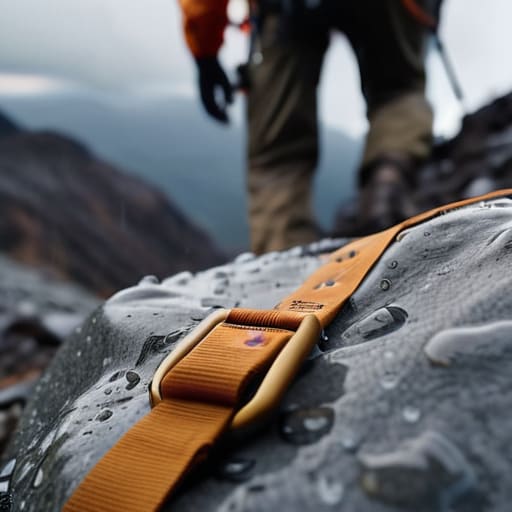
At the end of the day, evaluating a review comes down to looking for the friction. If a reviewer doesn’t mention how a piece of kit performs when it’s soaked through, or how it feels after ten hours of heavy pack weight, they aren’t giving you the full picture; they’re giving you a sales pitch. You need to look for the specifics—the weight in grams, the exact weather conditions, and the honest admissions of failure. If a review sounds too perfect to be true, it usually is. Stop looking for the gear that promises everything and start looking for the gear that tells you exactly what it can and cannot do when things go sideways on a ridge.
Ultimately, no review can replace the reality of your own experience, but a good one can certainly keep you from making a costly mistake. We spend a lot of time obsessing over technical specs and brand names, but the mountains don’t care about your gear list; they only care about how you respond to the environment. Use these critical tools to filter out the noise so you can focus on what actually matters: being prepared, being informed, and making better decisions before the weather turns. The best kit isn’t the most expensive or the most hyped—it’s the stuff you know, without a shadow of a doubt, will be there when the light starts to fail.
Frequently Asked Questions
How can I tell if a reviewer is actually testing gear in the conditions I need, or just walking around a local park on a sunny afternoon?
Look for the grit. If a reviewer doesn’t mention the specific weather, the terrain, or how the gear felt when things went sideways, they haven’t tested it—they’ve just photographed it. I don’t care how a tent looks in a sun-drenched meadow; I want to know if the flysheet held up during a four-hour deluge in a gale. If they aren’t talking about moisture management, wind chill, or weight fatigue, they’re just out for a stroll.
If a reviewer doesn't mention weight or specific weather conditions, should I assume the review is unreliable?
I wouldn’t call it unreliable, but I would call it incomplete. If a reviewer says a pack is “comfortable” without telling me if they felt that way on a twelve-hour push through the Cairngorms in a gale, they aren’t giving you the full picture. Weight and weather are the two things that change everything. Without those specifics, you’re just reading an opinion, not a field report. I need the context to know if it’ll actually work for me.
How do I distinguish between a genuine recommendation and someone just trying to sell me a specific brand through an affiliate link?
Look for the “why” behind the “what.” A genuine recommendation usually comes with a caveat—a mention of where the gear failed or which specific weather it wasn’t built for. If someone tells you a jacket is “perfect for everything,” they’re selling you a dream, not a piece of kit. I want to hear about the seam that leaked after three days in a Lakeland deluge, not a list of polished features. If there are no flaws, there is no truth.