I’ve spent twenty-two years watching people make expensive mistakes, but some of the worst ones happen before they even leave the house. There is this pervasive, misguided idea that you can just scour a marketplace app, snag a “nearly new” technical shell for a fraction of the retail price, and call it a day. But let me tell you: if you don’t actually know how to buy outdoor gear secondhand with a critical eye, that bargain is just a liability waiting to happen. I’ve sat in damp bivouacs at 3:00 AM listening to a “great deal” jacket fail to breathe or, worse, fail to stop the wind, and nobody wants to be that person.
I’m not here to sell you on the glamour of thrifted adventures or repeat some polished marketing script. I’m going to give you the unvarnished truth about what to look for in a used seam, how to test a zipper under pressure, and which items are worth the gamble and which are absolute death traps. I’ll tell you exactly what I look for when I’m vetting kit for my own multi-day routes, focusing on the stuff that actually keeps you dry and safe when the weather turns.
Table of Contents
How to Spot Wear and Tear on Technical Gear
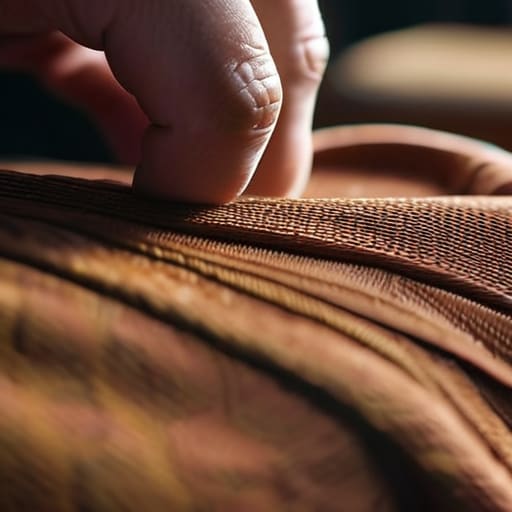
When you’re inspecting used camping equipment, you have to look past the brand name and the “like new” description. For technical shells, don’t just look for rips; feel the fabric. If a Gore-Tex jacket feels stiff or strangely waxy in patches, the membrane might be delaminating. I’ve spent fifteen years in damp environments, and I can tell you that once that internal coating starts to flake, the jacket is essentially a heavy, non-breathable plastic bag. Check the seam tape—if it’s peeling away from the stitching, that garment is no longer waterproof, regardless of what the seller claims.
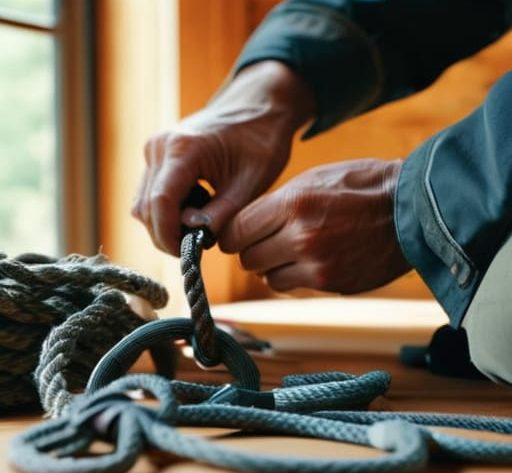
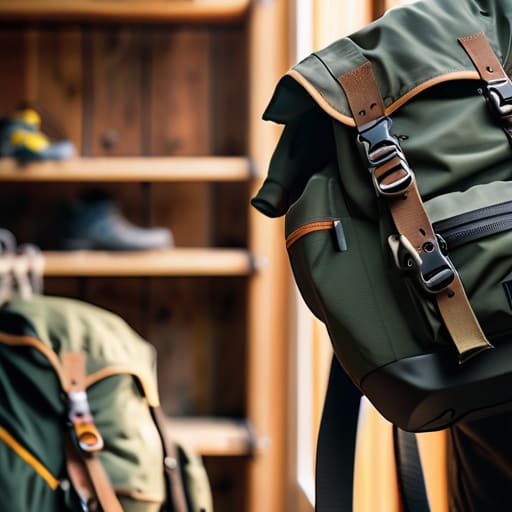
For hardware and soft goods, your approach needs to be even more clinical. When learning how to spot wear and tear on technical gear, start with the friction points. Check the webbing on backpacks for fraying and look closely at the zips; if the teeth are uneven or the slider feels sluggish, it’ll likely fail when you’re mid-stride in a downpour. On climbing gear, I don’t care how cheap the discount is—if there is even a hint of glazing on a rope or a nick in a carabiner, walk away. Safety isn’t a place for compromise.
Refurbished vs Used Outdoor Equipment Knowing the Difference
People often use these terms interchangeably, but in my experience, that distinction is where the risk lives. When you’re looking at refurbished vs used outdoor equipment, you’re essentially choosing between a product that has been professionally vetted and one that is being sold on a whim. A refurbished item—think of a high-end stove or a technical tent—has usually undergone some level of inspection or repair by someone who actually knows what a blown seam or a faulty valve looks like. It’s a step up in certainty, even if it costs a bit more than a random listing on a Facebook group.
Used gear, on the other hand, is a gamble. It’s often much cheaper, and for things like heavy-duty canvas packs or simple trekking poles, that’s perfectly fine. But when you move into technical territory, the stakes change. I’ve seen people try to save a few quid on a second-hand shell, only to find the DWR coating has been scrubbed away by years of heavy use. If you aren’t careful, you’re not just buying a bargain; you’re buying someone else’s unseen fatigue.
Five Non-Negotiables Before You Tap 'Buy'
- Check the seam tape on waterproofs. I’ve spent three years putting my Altas shells through heavy rain and sleet, and even the good ones eventually show their age. If you see the clear tape peeling or cracking inside the jacket, walk away; that’s a leak waiting to happen when the wind picks up on a ridge.
- Smell the insulation. If you’re buying a secondhand down jacket or sleeping bag, give it a sniff. If it smells even slightly musty or damp, the down has likely clumped or mildewed. Once down loses its loft because it’s been stored damp, it’s never going to keep you warm again, no matter how much you wash it.
- Inspect the ‘stress points’ on packs. I always look at the connection between the shoulder straps and the main body of a rucksack. I’ve carried sixty-pound loads through scree slopes for two decades, and I know that a tiny fray in the stitching there is a ticking time bomb for when you’re five miles from the trailhead.
- Test the hardware, specifically zippers. A stuck zipper isn’t just annoying; it’s a safety issue if you’re trying to layer up quickly as the temperature drops. If the seller won’t confirm that the zippers run smoothly through their full length, assume they’re shot.
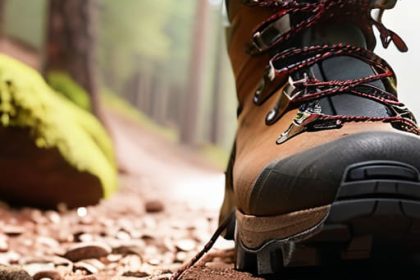
- Don’t trust a photo of a boot sole. A seller might show you a clean-looking boot, but you need to see the tread depth and the midsole. I’ve seen plenty of people buy “lightly used” boots only to find the foam has compressed and hardened from years of storage, meaning they’ll have zero grip and zero cushioning on a descent.
The Cost of a Bargain
I’ve sat in too many mountain rescue vehicles with people who thought they’d saved a fortune on a secondhand shell, only to realize that once the seam taping starts to peel, you aren’t just buying a discount—you’re buying a very expensive way to get hypothermia.
Bridget Halloran
The Final Check
At the end of the day, buying secondhand is a balancing act between your budget and your safety margin. You’ve looked at the seams, you’ve checked the DWR coating, and you’ve weighed the pros and cons of refurbished versus used. Just remember that no amount of savings is worth a failure when you’re three hours from the trailhead and the clouds are dropping. If the waterproofing feels gummy or the boot sole is starting to delaminate, walk away. It is much better to wait another month for a piece of kit you can actually trust than to realize you’ve bought a liability while you’re stuck in a downpour on a ridge.
There is a certain satisfaction in owning gear that has a history—a jacket that has already seen a dozen summits and a tent that has stood through a season of storms. When you buy used, you aren’t just being frugal; you are participating in a cycle that keeps good equipment out of landfills and in the mountains where it belongs. Just approach it with the same respect you give a weather forecast: be methodical, be skeptical, and never let optimism override the physical reality of the gear in your hands. If you do the work upfront, you’ll find that the best adventures often come from the most well-vetted, second-hand kit.
Frequently Asked Questions
How can I tell if a technical waterproof jacket has lost its DWR coating or if the membrane itself is failing?
The easiest way to tell is the “wetting out” test. If water beads up and rolls off, your DWR is fine. If the outer fabric soaks up water and turns dark while you’re still dry inside, the DWR has failed; that’s an easy fix with some Nikwax. But if you feel moisture creeping through from the inside, or if the jacket feels heavy and clammy despite being dry, the membrane is breached. If that’s the case, walk away. You can’t patch a dead membrane, and that’s a mistake you’ll regret when the wind picks up.
Is it worth buying secondhand climbing or safety hardware, or is that a line I shouldn't cross?
That is a line you do not cross. Period. I’ve spent twenty-two years watching people make “optimistic decisions,” and nothing is more optimistic—or more dangerous—than trusting a secondhand carabiner or a rope with an unknown history. You don’t know if it was dropped, how many cycles it’s taken, or if it sat in a damp garage for five years. On hardware, the savings aren’t worth the risk. Buy it new.
How do I know if a used sleeping bag has lost its loft and warmth due to improper storage?
If you squeeze a handful of the bag and it doesn’t spring back immediately, it’s dead. I’ve seen too many people buy a “bargain” down bag only to find it’s been compressed in a storage sack for three years. Once those clusters clump together, they can’t trap air anymore. I’ve used my current quilt for four seasons of wet Scottish mornings, and I know the difference between a healthy loft and a flat, useless lump of fabric.