I’ve sat in too many damp tents listening to the rhythmic, miserable whimpering of people who thought they could “tough out” a hot spot. There is this pervasive, expensive myth in the outdoor industry that you need a PhD in podiatry or a £200 pair of specialized orthotics to manage your gait, but most of that is just marketing fluff. The truth about how to look after your feet on long walks isn’t found in a glossy brochure; it’s found in the boring, repetitive habits you practice before you even lace up your boots. I’ve seen perfectly good expeditions derailed by people who ignored a tiny bit of friction because they were too focused on the summit, only to find themselves hobbling back in the dark because of a single, preventable blister.
I am not here to sell you a miracle cream or a brand-new pair of heavy leather boots. Instead, I’m going to give you the practical, unvarnished reality of what actually works when you’re twenty miles in and the weather is turning. I’ll tell you exactly which socks I’ve worn for over five hundred miles of ridge walking and which preventative measures I’ve used to keep my skin intact during four-day treks in soaking wet conditions. This is about the small, unglamorous decisions that keep you moving.
Table of Contents
Preventing Blisters While Walking Before the Pain Starts
If you wait until you feel a sting to act, you’ve already lost the battle. In my twenty-two years on the hills, I’ve seen more people forced to turn back because of a single patch of raw skin than because of actual injury. The trick to preventing blisters while walking isn’t about having magic boots; it’s about managing the micro-climate inside them. Most people think it’s friction alone, but it’s actually the combination of heat and moisture that turns your skin into something resembling wet paper.
I’ve worn my Darn Tough merino blends through roughly 400 days of varied terrain—from damp peat bogs to dry, dusty ridges—and they remain my benchmark. You need moisture-wicking hiking socks that can move sweat away from the skin before it pools. If you feel that tell-tale warmth or a slight “rub” that doesn’t quite feel like a wound yet, stop immediately. I don’t care if you’re ten minutes behind schedule; treating hot spots on feet with a bit of Leukotape or even just a small piece of Compeed the second they appear is the difference between finishing the ridge and limping back to the car in tears.
Moisture Wicking Hiking Socks More Than Just a Marketing Claim
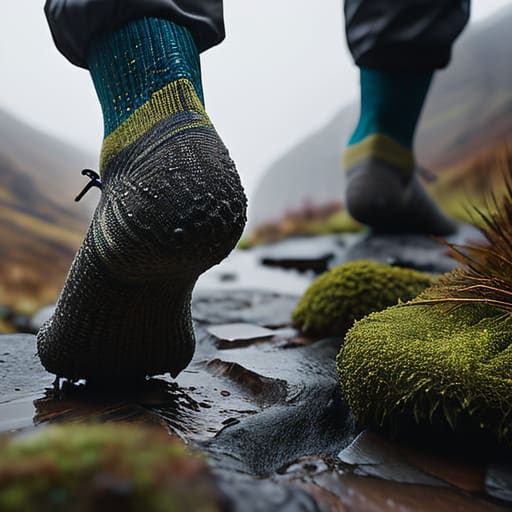
I’ve spent two decades watching people try to walk off a ridge in cotton-blend supermarket socks, and it’s a recipe for disaster. Cotton is a sponge; it holds onto sweat, stays heavy, and creates that friction-heavy, sodden environment that makes preventing blisters while walking nearly impossible. I’ve tested the Darn Tough merino blends through roughly four hundred days of heavy use in the Lake District—including several stints in constant, freezing drizzle—and the difference is night and day. They pull the moisture away from the skin and, crucially, they don’t lose their shape when they get damp.
When you’re managing foot hygiene for hikers, the goal is to keep the skin dry so it stays tough rather than turning into useless, waterlogged mush. I’ve used various synthetic liners over the last five years to supplement my merino pairs, and while they add a bit of weight, they are excellent for moving moisture through the layers. If you feel that tell-tale warmth or dampness, don’t just keep pushing; that’s your signal to stop, strip the boots, and let the skin breathe.
The Small Things That Stop a Long Day from Turning Into a Rescue
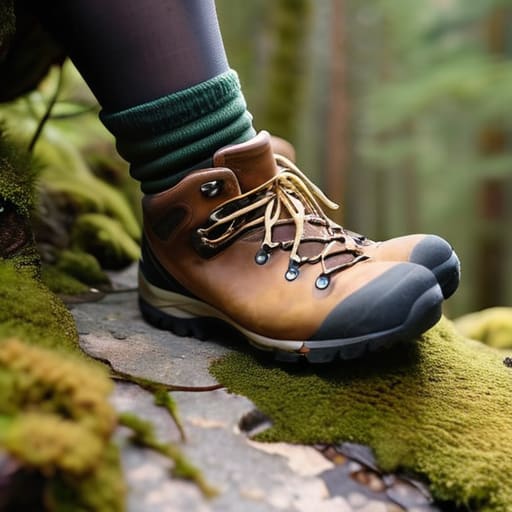
- Listen to the hot spots immediately. I’ve spent twenty years watching people try to ‘tough it out’ through a mile of granite scree, only to end up limping toward the trailhead by sunset. If you feel a friction point, stop. Apply a bit of zinc oxide tape or a Compeed the second you notice it; if you wait until it’s a blister, you’ve already lost the battle.
- Manage your moisture with more than just socks. I’ve used the Darn Tough midweights for about four seasons now, through everything from damp Scottish heather to dry Alpine dust, and they hold up, but they can’t fix a foot that’s swimming in sweat. I always carry a spare pair of liners in a dry bag; changing into fresh, bone-dry socks during a midday break is the single best thing you can do for your skin integrity.
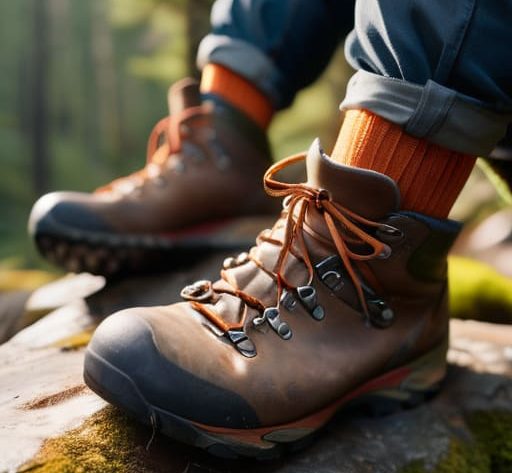
- Don’t ignore the weight of your boots. I’ve seen too many people in heavy, stiff leather boots that they haven’t properly broken in, trying to tackle a 15km ridge walk. If your boots feel like lead weights by hour four, your gait changes, your muscles fatigue, and your feet start rubbing in places they shouldn’t. Ensure your footwear is sized for swelling—I always leave a thumb’s width at the toe—and that the weight is something your ankles can actually manage when the terrain gets technical.
- Use a lubricant, not just a powder. I’ve tested various anti-chafe sticks over the last five years on multi-day treks in humid conditions, and a thin layer of something like BodyGlide on the high-friction areas—the sides of the big toe and the heel—works far better than talcum powder, which tends to clump into a gritty paste when things get wet.
- Check your laces every few hours. It sounds pedantic, but as your feet swell throughout a long day, the pressure distribution changes. I’ve had to loosen my laces halfway through a descent in the Lake District because the pressure on the top of my metatarsals was becoming unbearable. A quick adjustment at a rest stop can prevent a localized pressure sore from becoming a week-long problem.
The Cost of Optimism
I’ve led groups through three days of relentless sleet where the only thing more dangerous than the wind was the collective decision to ignore a hot spot because we were ‘almost there.’ By the time the sun actually came out, half the group was hobbling on broken heels, and no amount of fancy lightweight gear can fix a foot that’s been punished by poor decisions made ten miles back.
Bridget Halloran
The Long View from the Trail
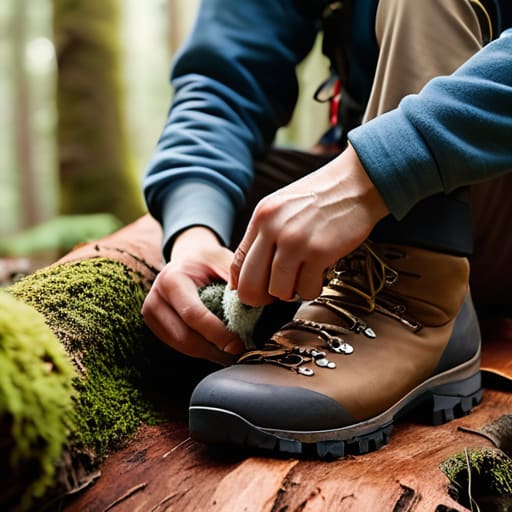
Ultimately, foot care isn’t about a single magic trick; it’s a series of small, disciplined choices made long before you feel the first sting of a hot spot. It is about the socks you choose, the way you lace your boots to manage swelling, and—most importantly—the honesty to stop and address a problem the moment it presents itself. I have spent two decades watching people push through the discomfort, only to find themselves hobbling back to the trailhead in the dark because they thought they could “tough it out.” Don’t be that person. Manage your moisture, respect your friction points, and remember that preventative maintenance is always easier than damage control.
There is a specific kind of peace that comes with being well-prepared for the terrain. When you aren’t constantly distracted by the throbbing in your heels or the dampness in your toes, you actually have the mental bandwidth to notice the things that matter—the way the light hits a ridge or the silhouette of a peregrine circling above. Taking care of your feet isn’t just about avoiding pain; it is about protecting your ability to experience the hills. The mountains aren’t going anywhere, so take the extra minute to check your gear and adjust your layers. It’s the boring, repetitive work that allows the real magic to happen.
Frequently Asked Questions
When exactly should I stop to change my socks, or is it better to just push through to the next camp?
If you feel that heavy, squelching sensation, stop. Don’t “push through.” I’ve seen too many people ignore damp feet only to end up with skin sloughing off by camp. If you’re on a ridge and the wind is picking up, keep moving to stay warm, but the second you hit a sheltered spot or a planned break, swap them. I’ve carried the Darn Tough Merino midweights for four seasons now; they dry fast, but they can’t fix a macerated foot if you wait too long.
How do I know if my boots are actually the problem, or if it's just a matter of my foot shape and lacing?
It’s usually a bit of both. I’ve spent twenty years watching people blame their boots when it’s actually a lacing error, but I’ve also seen perfectly good boots fail because the last is just wrong for the foot. If you have a hot spot on your heel, it’s often a volume issue—your foot is sliding. If it’s the toes, it’s likely length. Try a heel lock lace first; if the pain persists through different lacing, the boot is the problem.
What is the most reliable way to treat a hot spot once it actually turns into a blister mid-trek?
If you feel that familiar, stinging heat, stop immediately. Don’t “push through it” to reach the next ridge; that’s how a hot spot becomes a weeping mess. Clean the area, dry it thoroughly, and apply a hydrocolloid dressing—I’ve used Compeed patches for twelve years in everything from humid valleys to freezing summits, and they’re the only thing I trust. If the skin has already broken, keep it clean and tape it down firmly to prevent friction.