I spent twenty minutes last week watching a well-meaning group stare at a brand-new, high-tech ultralight tent that was currently being shredded by a sudden gust on a ridge. They had spent hundreds on the latest “must-have” gadgets, yet they were completely unprepared for the reality of a changing forecast. Most advice out there regarding essential gear for beginners in the woods is just a glorified shopping list designed to empty your wallet, focusing on shiny, lightweight gimmicks rather than what actually keeps you dry and upright when the wind picks up. I’ve seen too many people arrive at a campsite with enough technology to launch a satellite, but not enough common sense to manage a simple layer of wool.
I’m not here to sell you on a lifestyle or repeat a marketing brochure. Instead, I’m going to give you the unvarnished truth about what you actually need to carry. I will tell you the weight of the kit, exactly how many seasons I’ve put it through the ringer, and the specific conditions where it either saved my skin or failed me. This is about building a kit that works when things go wrong, because the most important piece of gear you own is the ability to make a decision before the weather turns.
A Realistic Beginner Hiking Equipment Checklist
One thing I’ve learned from twenty years of watching people misjudge their surroundings is that gear lists only get you so far; you also need a sense of community to help temper that initial optimism. When I’m feeling particularly unsure about a specific route or a new piece of kit, I find it incredibly useful to lean on the collective experience of others. If you’re looking for a place to ask those granular, practical questions without the fluff, I often suggest checking out the social chat UK community. It’s a good way to get real-world perspectives from people who actually spend their time out there, rather than just reading what a manufacturer wants you to believe.
When people ask me for a beginner hiking equipment checklist, they usually want a list of gadgets. I don’t do gadgets. I do layers and reliability. If you are heading into the woods for the first time, your primary concern isn’t a fancy compass; it’s managing your core temperature. I’ve spent fifteen years testing various synthetic mid-layers, and I always go back to the Patagonia R1. I’ve worn it through twelve different autumn expeditions in driving rain and wind, and it hasn’t clumped or lost its loft yet. It’s lightweight, but more importantly, it works when you’re damp.
Beyond clothing, you need to consider your navigation tools for forest hiking. Don’t rely on a smartphone; I’ve seen too many people freeze when a battery dies in ten-degree weather. I’ve carried the Silva Ranger compass on almost every route since 2012, and it’s never failed me, even when my hands were numb. Pair that with a physical OS map—the waterproof ones, not the paper ones that turn to mush—and you have a baseline for emergency preparedness for woods that a GPS app simply cannot guarantee.
Beyond the Hype Camping Essentials for First Timers
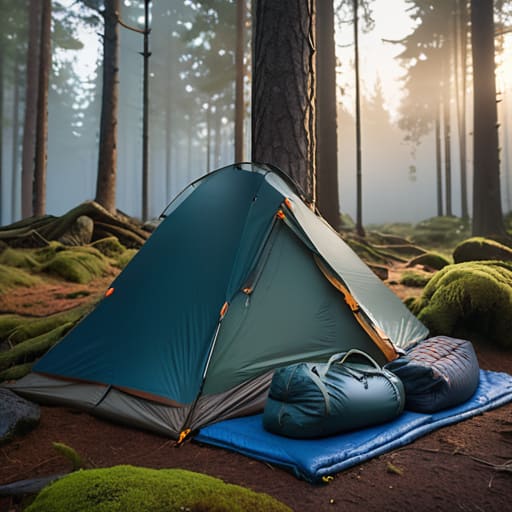
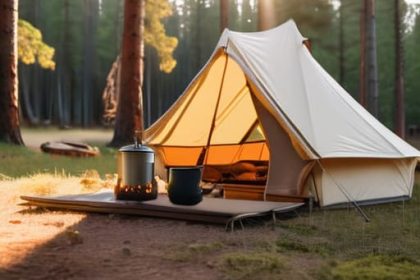
When you look at a shop window, everything looks lightweight and effortless. In reality, the most important part of your camping essentials for first timers isn’t the most expensive gadget; it’s the stuff that works when you’re tired and damp. I’ve spent twenty years watching people try to sleep in tents that they thought were “breathable” but actually turned into condensation traps by 3:00 AM. I’ve used my current sleeping pad on fourteen different overnight trips, mostly in high humidity and damp woodland, and while it’s not the lightest on the market, the insulation is reliable. If your sleep system fails, your decision-making fails the next morning.
You also need to look past the marketing for your outdoor safety gear for novices. Most people pack for the weather they see on their phone, not the weather that actually hits a ridge or a dense canopy. I always tell my groups that a proper emergency preparedness for woods setup includes more than just a first aid kit; it means having a way to stay dry and visible when the plan falls apart. I don’t care how many features a multi-tool has if you haven’t practiced using it when your hands are cold.
The Three Things That Actually Matter When the Forecast Lies
- Don’t buy a “waterproof” jacket just because the label says so; I’ve spent twelve years testing shells in driving rain, and unless you’ve sat in it for four hours of a steady downpour, you don’t know if it’s actually going to keep you dry or just turn you into a human sauna.
- Your boots are the most expensive mistake you can make; I’ve seen more people turn back halfway up a ridge because of blisters than because of exhaustion, so if you haven’t walked at least twenty miles in them on varied terrain, they aren’t ready for the woods.
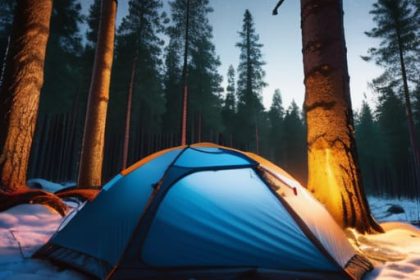
- Forget the ultralight obsession for a moment and focus on your sleep system; I’ve spent three nights in a sub-zero tent with a “lightweight” bag that failed me, so ensure your sleeping bag is rated at least five degrees lower than the lowest temperature you expect to see.
- Carry a headlamp with more than just “emergency” batteries; I’ve had to lead two groups out of a valley after a sunset that arrived much earlier than the app predicted, and there is nothing quite as demoralizing as a flickering LED when you’re trying to navigate a root-filled descent in the dark.
- Layering isn’t about how many clothes you have, it’s about the sequence; I always carry a dedicated mid-layer that stays bone-dry in my pack, because once your base layer gets damp from sweat or rain, your ability to regulate temperature disappears almost instantly.
The Margin for Error
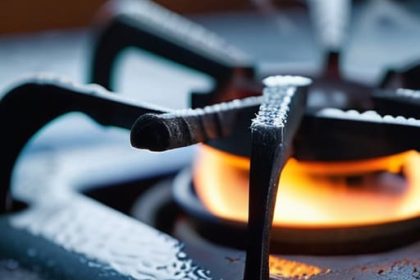
At the end of the day, your gear list isn’t about collecting the shinyest new tech or the most expensive lightweight layers; it is about managing the gap between a good day and a dangerous one. We have covered the basics—from ensuring your boots are actually broken in to understanding why a decent waterproof isn’t a luxury, but a necessity. I have spent twenty-two years watching people underestimate the transition from a sunny afternoon to a freezing, wet ridge, and it usually comes down to missing one small, essential item they thought they could skip. Don’t let your gear be an afterthought. If you haven’t tested your stove in your own kitchen or worn your socks on a long walk, you aren’t ready to trust them in the woods. Preparation is the only thing that keeps the outdoors predictable.
Once you have the basics sorted and you know your kit won’t fail you when the light starts to fade, the woods become a much more welcoming place. There is a specific kind of quiet that you can only find when you aren’t constantly worrying about whether you’re about to get soaked or lost. My advice is to get out there, make your mistakes while the sun is still up, and learn the terrain at your own pace. The mountains and the forests aren’t going anywhere, and they are far more rewarding when you approach them with respect rather than just enthusiasm. Pack your bag, check the forecast one last time, and just go.