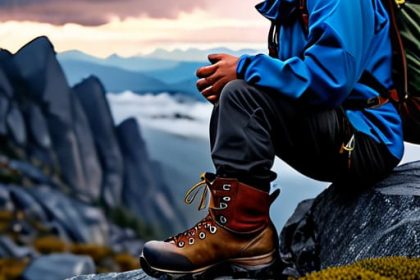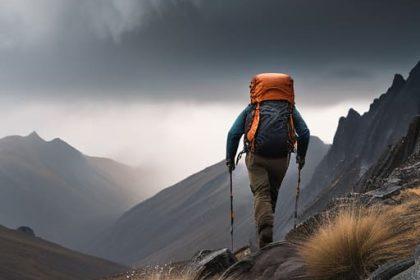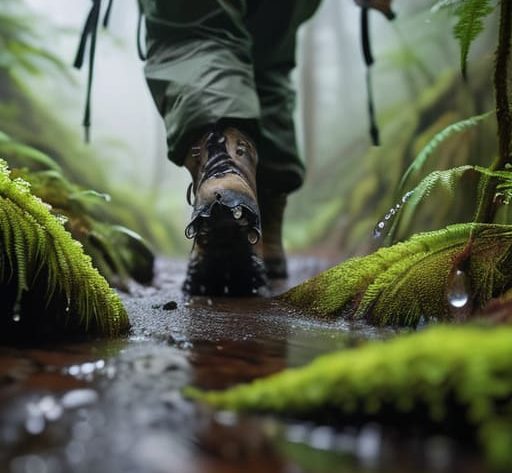
I was standing on a ridge in the Cairngorms three years ago, watching a group of walkers freeze up because they’d waited until they were soaked to the bone before even looking for their waterproofs. The wind was howling at forty knots, the rain wasn’t just falling, it was attacking, and suddenly the difference between a manageable afternoon and a genuine mountain rescue was entirely down to how they handled the damp. Most people think learning how to hike in rain is about buying the most expensive Gore-Tex shell on the market, but they’re wrong. It isn’t about the price tag; it’s about the timing of your layers and the grim reality of managing moisture before it turns into hypothermia.
I’m not here to sell you on some high-tech lifestyle or tell you that a bit of drizzle is “magical.” I’m going to tell you how to manage your heat, how to choose gear that actually breathes when you’re working hard, and when to make the call to turn back. I’ll give you the honest truth based on twenty-two years of getting wet, including the specific kit I’ve put through the wash a hundred times and the stuff that’s just marketing fluff.
Table of Contents
Managing Moisture During Treks Before You Freeze
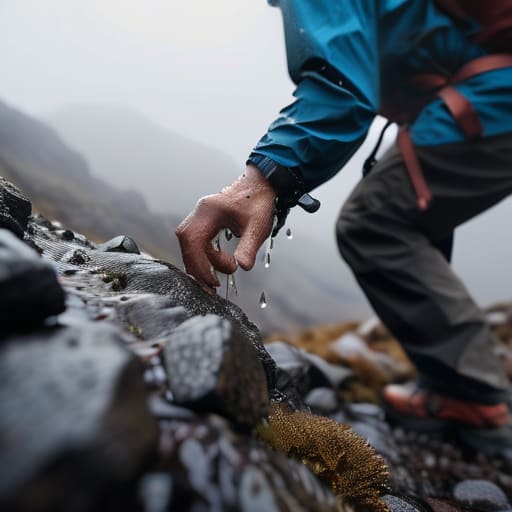
The mistake most people make isn’t forgetting their jacket; it’s the sweat they generate while wearing it. I’ve spent countless hours on the high ridges watching groups turn into shivering messes because they worked too hard in a heavy shell, soaking their base layers from the inside out. Managing moisture during treks is a constant battle of thermodynamics. If you’re working hard on a steep ascent, you need to vent. I’ve used my Altas technical shell for three seasons now, through everything from misty valleys to gale-force rain on the Scafells, and if I don’t unzip the pits the moment my heart rate climbs, I’m damp within twenty minutes.
Once that internal moisture hits your skin, the temperature drop on the descent will feel twice as sharp. You aren’t just fighting the clouds; you’re fighting your own biology. Preventing hypothermia on trails starts with your choice of fabric—forget cotton, always. I’ve seen too many “optimistic” hikers reach a summit, strip off their wet layers, and realize they have nothing breathable left to put back on. You need to layer proactively, not reactively, before the chill settles into your bones.
Wet Weather Hiking Safety Tips for the Unlucky
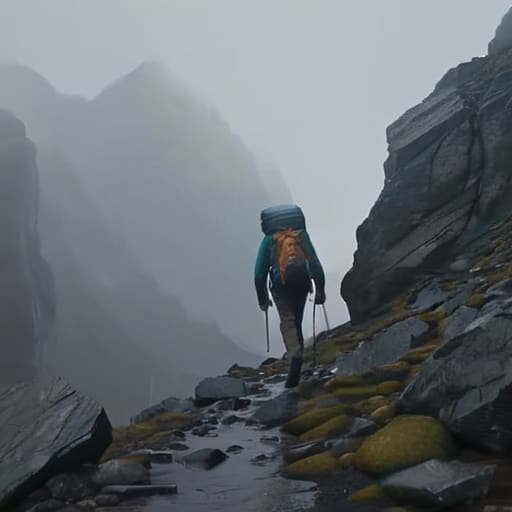
When the sky turns that heavy, bruised shade of grey and the wind starts whistling through the crags, your margin for error disappears. Most people think being prepared is just about having a jacket, but it’s actually about managing your pace and your decisions. I’ve seen too many groups push through a summit attempt when the visibility dropped to ten meters, simply because they didn’t want to admit the weather had won. If the rain is horizontal and your feet are starting to feel heavy, that is your signal. Don’t wait until you’re shivering to consult your rain hiking gear checklist; by then, you’re already fighting a losing battle against the temperature.
Safety in these conditions is less about bravery and more about constant assessment. You need to be watching for the subtle signs of preventing hypothermia on trails, like that specific, hollow kind of fatigue that makes you stop noticing how cold you actually are. If you’re soaked to the skin and the temperature is dropping, the walk back becomes the most important part of your day. I always tell my clients: the mountain isn’t going anywhere, but your ability to stay warm might.
Five ways to stay functional when the sky opens up
- Stop waiting for the rain to start before you put your shell on. I’ve spent twenty years watching people wait until they are already damp and shivering to reach for their waterproofs, and by then, the battle is half-lost. If the clouds are bruising and the wind is picking up, get your layer on now. It’s easier to shed a bit of heat than it is to chase it once your core temperature has dropped.
- Forget everything you think you know about “waterproof” and start thinking about “breathable.” I’ve used the Arc’teryx Beta series for about four years now, mostly in heavy Atlantic mists and driving rain on the Skye ridges, and while they keep the rain out, you still have to manage the sweat. If you don’t vent your zippers every twenty minutes, you’ll end up soaked from the inside out, which is arguably worse than being rained on.
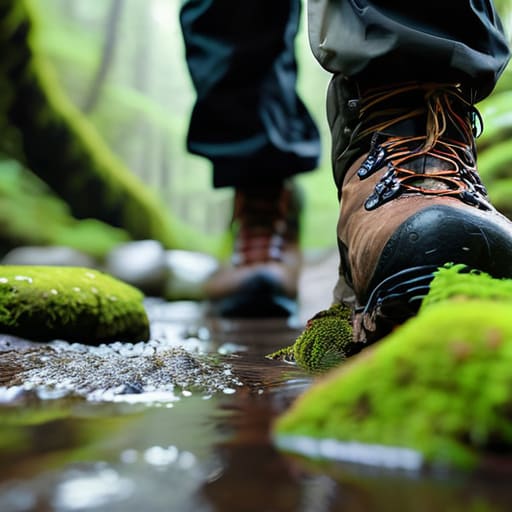
- Check your feet before you leave the car, not when you reach the summit. I cannot stress this enough: if your boots aren’t properly treated or if your socks are even slightly damp, you are heading for blisters and misery. I personally swear by Darn Tough merino blends; I’ve worn the same three pairs through countless soaked-through days in the Lake District, and they hold their shape and warmth even when they’re heavy with water.
- Learn to read the “real” forecast, not the app on your phone. Those apps give you a percentage chance of rain, but they don’t tell you if that rain is going to be a soft drizzle in the valley or a horizontal sleet that will strip the heat from your body on a col. I always look for wind speed and direction alongside the precipitation; rain in the wind is a completely different beast than rain in the still.
- Pack a dedicated “dry bag” for your emergency layers, even if you think your rucksack is waterproof. I’ve seen plenty of “waterproof” packs fail after three hours of heavy downpours. Keep one set of dry base layers and your spare socks in a sealed dry bag at the bottom of your pack. If you find yourself forced to turn back or hunkered down in a bivvy, that one dry set of clothes is the difference between a bad day and a medical emergency.
The Cost of Optimism
Most people think the danger of rain is the water itself, but it’s actually the decision you made three hours ago to skip that extra mid-layer because the sun was out. By the time you’re actually shivering on a ridge, it’s too late to fix the problem; you’re just managing the consequences.
Bridget Halloran
The Hard Truth About the Horizon
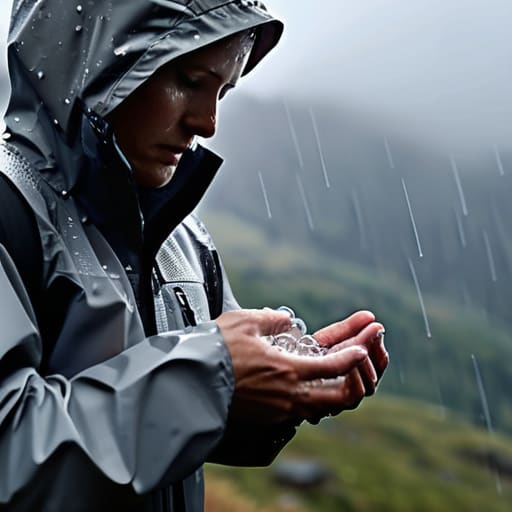
At the end of the day, hiking in the rain isn’t about fighting the elements; it’s about managing your own biology and your gear’s limitations. You have to stay ahead of the dampness by layering before you feel the chill, keeping your spares in dry bags, and—most importantly—having the discipline to turn back when the wind speed outpaces your ability to stay warm. I’ve spent twenty years watching people push through a light drizzle only to find themselves shivering uncontrollably on a ridge when the pressure drops. Remember: your waterproof shell is your last line of defense, not a magic shield, and moisture management is a constant job, not a one-time task at the trailhead.
There is a specific kind of quiet that comes with the hills when the rain is steady and the clouds sit low on the peaks. If you have the right kit, the right mindset, and you aren’t making optimistic decisions about daylight, those moments can be some of the most profound you’ll ever experience. The mountains don’t care if you’re wet, but they do care if you’re unprepared. Respect the weather, listen to your body, and you’ll find that the rain isn’t an obstacle to the hike—it’s just part of the landscape.
Frequently Asked Questions
At what point do I stop pushing for the summit and actually make the call to turn back?
You turn back when the “cost” of the summit starts exceeding the safety margin. If the wind is gusting harder than your ability to stay upright, if your group is shivering despite layering, or if the light is fading faster than your pace allows—that’s the call. I’ve seen too many people trade a safe descent for a summit they can’t even see through the sleet. If you’re debating it, you’re already too late. Turn around.
How do I manage my layers when I'm working hard on an ascent but the rain is coming down sideways?
The trick is to strip before you sweat. If you wait until you’re panting and soaked to adjust, you’ve already lost. I’ve spent fifteen years managing this: when the wind starts driving rain sideways on an ascent, ditch the heavy mid-layer immediately. Keep your base layer thin and moisture-wicking, and get your shell on before you start overheating. It’s better to be slightly too cool on the climb than to be a damp, shivering mess at the summit.
Are heavy leather boots actually better for grip in the mud, or am I just carrying unnecessary weight?
I’ve worn the heavy leather boots for fifteen years, mostly on peat hags and saturated fellside. They offer stability and a bit of a shield against sharp rocks, but they aren’t a magic bullet for grip. If the mud is deep and slick, a heavy sole can actually work against you by increasing momentum. I’ve found that a lighter, technical boot with aggressive lug patterns usually performs better in the muck. Just watch the weight.