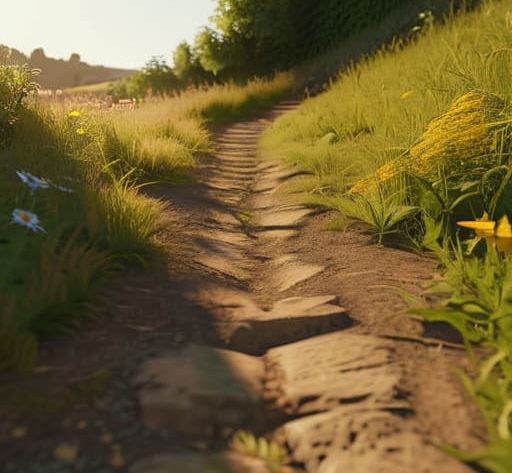
I remember standing in a sodden sheep pasture three years ago, staring at a hand-painted sign that effectively told me my presence was a crime, even though I was following a clearly marked path. It’s a specific kind of frustration—that sinking feeling in your gut when you realize you’ve accidentally stepped off the legal line and into a confrontation with a very unhappy landowner. Most people think it’s all quite simple, but the reality of how access and rights of way work is often a messy tangle of ancient maps, local bylaws, and a fair bit of luck. There is a massive difference between what a guidebook tells you and what the actual ground allows, and ignoring that distinction is a quick way to turn a peaceful walk into a legal headache.
I’m not here to recite dry legislation or feed you the polished version you’ll find on a government website. Instead, I’m going to strip away the jargon and tell you what you actually need to know to move through the landscape without causing a stir. I’ll be sharing the practicalities of distinguishing a public bridleway from a mere permissive path and how to read the land when the signs are missing. This is about navigating the grey areas with confidence, so you can focus on the ridge ahead rather than looking over your shoulder.
Table of Contents
Mapping Public Footpaths Before You Get Lost
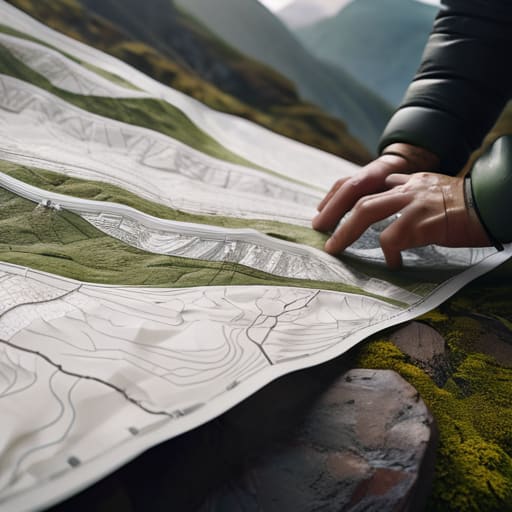
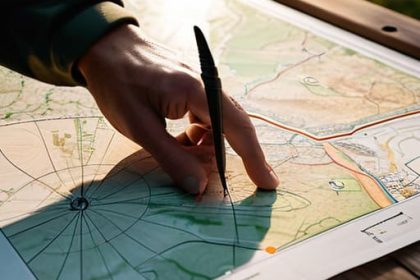
I’ve spent enough time squinting at a compass in a whiteout to know that a digital map is only as good as your ability to read it when the battery dies. Most people rely entirely on their phones, but if you’re relying on a single screen to navigate mapping public footpaths, you’re making a dangerous bet with the weather. I always carry an OS Landranger or Explorer map, even on “easy” days. There is a massive difference between following a blue line on a screen and understanding the actual topography of the land you’re stepping onto.
When you’re looking at a map, you need to distinguish between a simple track and a formal path. It sounds pedantic, but understanding the distinction between an easement vs right of way can be the difference between a pleasant stroll and a very awkward conversation with a farmer. I’ve had plenty of moments where a path seemed clear on the map, only to find a newly installed fence or a bog that wasn’t there three years ago. Don’t just trust the line; look at the contours and the terrain. If the map shows a steep scramble but you’re geared for a stroll, plan for the reality of the ground, not the convenience of the icon.
Understanding the Easement vs Right of Way Divide
This is where things usually get muddy, and I don’t just mean the terrain. People tend to use the terms interchangeably, but if you’re trying to respect a boundary or avoid a confrontation, you need to know the difference between an easement vs right of way. Think of an easement as a specific, limited permission—like a utility company having the right to run a pipe under a field. It’s a narrow slice of access. A right of way, however, is much broader; it’s a permanent legal entitlement for the public to pass through a specific area.
When I’m leading a group, I make it clear that just because a path exists doesn’t mean you have a blank cheque to wander. Understanding public rights of way legislation is about knowing exactly where your permission ends. If you mistake a permissive path—which a landowner can close at any time—for a permanent right of way, you’re going to end up in a very awkward conversation with someone who has every legal right to tell you to move on. It’s about knowing the exact limits of where you are allowed to step.
The Practical Reality of Staying on the Right Side of the Law
- Don’t rely solely on a smartphone for your route; I’ve spent too many afternoons watching people stare at a dead screen while standing in a field they shouldn’t be in. Carry a physical OS map and know how to read the symbols for public footpaths versus bridleways, because a digital glitch won’t tell you when you’ve crossed a boundary.
- Respect the “leave no trace” rule not just for the environment, but for access itself. If people start treating paths like rubbish bins or cutting corners through sensitive nesting sites, landowners will close those routes faster than a frost hits the high ground, and we’ll all lose that access.
- If you see a sign that says “Private” or “No Access,” believe it the first time. There is a massive difference between a casual stroll and a trespass, and being forced off a ridge by an angry landowner is a miserable way to end a day, especially when the light is failing and you’re already low on energy.
- Learn the difference between a footpath and a bridleway before you set off. I’ve led groups where people thought they could take a mountain bike down a narrow, muddy footpath meant for hikers; it ends in a blocked path and a very unhappy farmer, which is a conversation nobody wants to have.
- When in doubt, stick to the established line. It is tempting to take a shortcut to shave twenty minutes off a climb, but those “shortcuts” often cut directly through private grazing land or protected habitats, and one optimistic decision to bypass a gate can turn a simple walk into a legal headache.
The Reality of the Line on the Map
A line on an OS map isn’t a polite suggestion or a guarantee of a stroll; it’s a legal boundary that can vanish the moment you step ten yards off the established path. I’ve seen too many people assume that because they can see the ridge, they have the right to stand on it, only to find themselves caught in a very awkward conversation with a farmer who has much more right to be there than they do.
Bridget Halloran
Respect the Line, Protect the Access
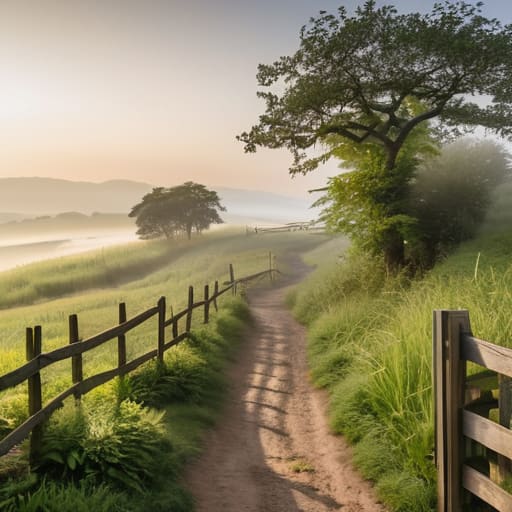
At the end of the day, navigating the legalities of access isn’t about memorising statutes; it’s about knowing the difference between a permissive path and a permanent right of way so you don’t end up in a confrontation you can’t win. We’ve covered how to read your maps properly, how to spot the subtle shift from a public easement to a private track, and why that distinction matters when the weather starts turning. If you get the basics right—checking your route, staying on the marked paths, and understanding the landowner’s rights—you avoid the kind of friction that eventually leads to restricted access for everyone. It is a simple equation: follow the rules, and the gates stay open.
There is a specific kind of quiet that you only find when you’ve correctly navigated a ridge or a valley, knowing you belong exactly where you are standing. When you respect the boundaries, the landscape opens up in a way that feels earned rather than stolen. Don’t let a lack of preparation turn a beautiful trek into a legal headache or a trespassing mishap. Focus on the detail of the route and the reality of the terrain, and you’ll find that the mountains have a way of rewarding those who approach them with a bit of humility and a lot of respect.
Frequently Asked Questions
What actually happens if I accidentally wander off a marked path and onto private farmland?
If you wander onto private land, the first thing you’ll likely face is a very unhappy farmer or a firm “get off” from a landowner. It’s awkward, but usually just a conversation. However, if you’re trampling crops or spooking livestock, you’re moving from a mistake to a liability. If you see a gate, don’t just bypass it; stay on the path. If you’ve drifted off, turn back immediately. Don’t wait for a confrontation to decide you’re lost.
How can I tell the difference between a permissive path that might be closed tomorrow and a permanent right of way?
Check your OS map carefully; if it’s a public footpath, it’ll be a dashed line. Permissive paths are often marked differently or just aren’t on the official definitive map. I’ve been caught out by a “temporary” permissive route that was closed due to sheep worrying just as I reached the gate. If it isn’t on the official map, treat it as a privilege, not a right. Always have a fallback route.
If a sign says "Private: No Access," does that apply to me if I'm just trying to reach a specific ridge or viewpoint?
If you see a “Private: No Access” sign, you turn around. It doesn’t matter if there’s a world-class view or a specific ridge line five minutes away; that sign is a hard boundary. I’ve spent too many years dealing with the fallout of people thinking they’re the exception to the rule. Trespassing isn’t just about legalities; it’s about respect for the land and the people who live on it. Don’t risk it.