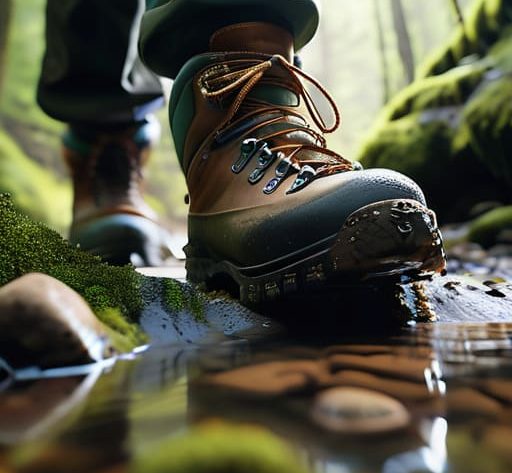
I remember standing on a peat bog in the Lake District three years ago, waist-deep in a soak that felt like it would never end, just to check a kestrel nest. As I was cleaning my boots, I noticed a patch of Himalayan Balsam creeping into the margins of a pristine stream. It’s easy to get lost in the high-level academic debates about global trade or climate shifts, but people tend to overlook the most mundane reality of how invasive species spread: it’s often just us, being careless. A single seed stuck in the tread of a muddy hiking boot or a stray bit of plant matter caught in a dog’s fur is enough to rewrite the biology of an entire valley.
I’m not here to give you a lecture filled with jargon or a list of expensive “solutions” that don’t actually work on the ground. Instead, I’m going to walk you through the actual, messy mechanics of how these species move through our landscapes, from the hiking trails to the waterways. I’ll tell you what I’ve seen with my own eyes during twenty years of field work—the small, unnoticed ways a single mistake can trigger a local ecological collapse.
Table of Contents
Human Mediated Dispersal Methods the Unintended Cost of Our Travels
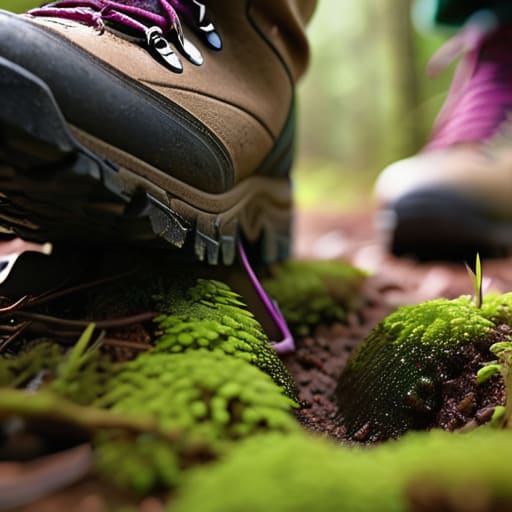
I’ve spent two decades walking lines that were supposed to be pristine, only to find the same stubborn, non-native weeds choking out the heather I used to track. Most of the time, we are the ones doing the heavy lifting for these plants. We think we’re just moving from one trailhead to another, but one overlooked speck of mud on your boot is all it takes to crash an entire ecosystem. It isn’t just hikers, either; human-mediated dispersal methods are baked into how we move through the world. Whether it’s a seed stuck in the tread of a mountain bike tyre or a microscopic spore clinging to a walking pole, we are moving life around in ways nature never intended.
It goes much deeper than our weekend treks, though. On a global scale, the sheer volume of global trade and invasive species movement is staggering. We see it in the massive shipping containers and the hitchhiking organisms in ballast water that cross oceans in days. It’s a relentless, invisible conveyor belt. While I focus on the small scale—the single seed in a muddy boot—the mechanism is the same: we provide the transport, and the environment pays the price.
Vectors of Biological Invasion Small Mistakes With Big Consequences
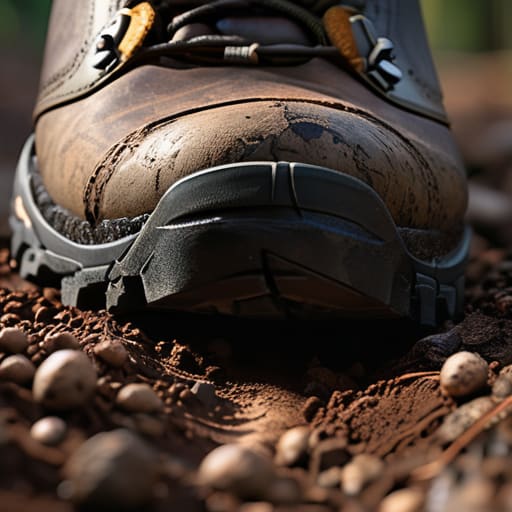
It isn’t always a massive, conscious error that shifts an ecosystem; more often, it’s the tiny, invisible things we don’t think twice about. I’ve spent years watching how a single misplaced seed or a bit of soil stuck in a tread can change a hillside. We talk about vectors of biological invasion as if they are grand, sweeping movements, but they are often quite mundane. It’s the mud on your trekking poles after a stop in a contaminated valley, or the organic matter caught in the folds of a tent that you pack away and move to a different catchment area.
The scale shifts when we look at the massive machinery of global trade and invasive species. We aren’t just talking about a hiker’s boot anymore; we are talking about the sheer volume of hitchhiking organisms in ballast water that move across oceans in the bellies of massive tankers. When those tanks are emptied, they aren’t just releasing water—they are releasing an entire biological payload into a new environment. It’s a heavy, complex reality that makes the idea of “clean” movement feel much more difficult than it looks on a map.
Five Ways to Stop Being an Unwitting Vector
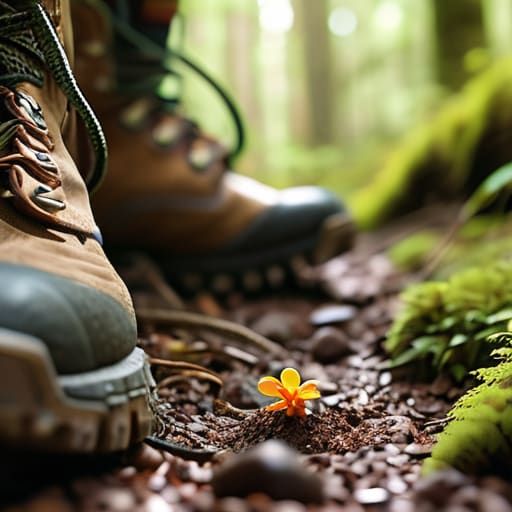
- Clean your boots before you change valleys. I’ve spent years watching people trek from a lowland trail straight into a sensitive upland habitat, carrying a microscopic payload of seeds or spores lodged in the tread. If you can see mud, you’re carrying something; scrub it off at the trailhead, not the next one.
- Don’t be a “collector” of the scenery. I know it’s tempting to pick a handful of wildflowers or a unique stone to remember a ridge, but you’re essentially playing courier for an invasive plant. Leave the biology where it sits.
- Check your gear, especially the “soft” stuff. I’ve seen invasive seeds hitch a ride on the mesh of a camping chair or the Velcro of a rucksack strap. If you’ve been sleeping in a damp meadow, give your kit a proper shake and a visual check before you pack it into your car.
- Wash your dogs, too. It isn’t just about humans; a dog running through a patch of invasive weeds can carry seeds in their fur or stuck in their paw pads for miles. If you’re heading into a protected area, make sure they aren’t bringing the whole garden with them.
- Respect the “Stay on Path” rule—it isn’t just about erosion. When you wander off-trail to get a better view or a photo, you’re trampling the native ground cover and creating new pathways for invasive species to take root in the disturbed soil. Stick to the established route.
The Weight of a Single Step
We like to think of nature as this massive, unstoppable force, but the reality is much more fragile. I’ve spent decades watching how ecosystems shift, and it rarely happens with a bang; it happens because someone didn’t scrub the mud off their trekking poles or because a single seed hitched a ride in the tread of a hiking boot. We aren’t just visitors passing through these landscapes; if we aren’t careful, we’re the unwitting couriers for everything that’s meant to stay out of them.
Bridget Halloran
The Weight of Our Footsteps
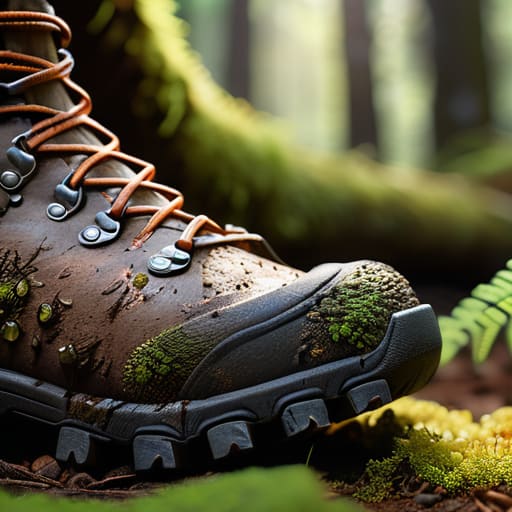
We’ve looked at how a bit of hitchhiking seed on a fleece or a single overlooked spore on a muddy boot can dismantle a habitat that took centuries to settle. It isn’t just about the big, obvious movements; it is the cumulative effect of a thousand small, unthinking decisions made while we are focused on our own summit or our next campsite. Whether it is through our boots, our gear, or the very vehicles that carry us to the trailhead, we are moving more than just ourselves. We are moving biological blueprints that can rewrite the rules of a landscape overnight. If we don’t respect the boundaries of the ecosystems we visit, we aren’t just hikers or explorers; we are unintentional vectors for change.
I’ve spent twenty-two years watching how quickly a hillside can change when the wrong player enters the game. But there is a way to walk these paths without leaving a trail of destruction behind us. It comes down to a simple, disciplined habit: clean your gear, scrub your boots, and never carry something from one valley to the next. It might feel like an extra bit of effort when you’re tired and the rain is starting to turn horizontal, but that discipline is what keeps these spaces wild. We owe it to the birds in the raptor nests and the quiet corners of the hills to be intentional guests, not accidental invaders.
Frequently Asked Questions
How can I tell if I'm actually carrying something harmful on my gear before I head out on a new route?
I don’t expect you to have a microscope in your pack, but I do expect you to be thorough. Check your boot treads and the deep grooves of your crampons; if there’s dried mud from a different catchment area, scrape it off. Check your tent pegs and the underside of your trekking poles. I’ve spent three days in sodden peat bogs in the Cairngorms with a single pair of boots, and if I hadn’t scrubbed them clean, I’d be a vector.
Are there specific types of boots or walking poles that are more prone to spreading seeds or spores than others?
It isn’t so much the brand as the tread. I’ve spent twenty years looking at the bottom of boots, and deep, aggressive lugs on heavy trekking boots are perfect little transport pods for mud and seeds. If you’ve been through a boggy patch, those crevices are holding onto more than just grit. Walking poles aren’t much better; the spiked tips and even the basket undersides can trap spores. Clean your gear between different sites. It’s a chore, but it matters.
If I spot something that looks out of place in a remote area, what's the actual process for reporting it without making things worse?
If you spot something that doesn’t belong—an odd plant or a strange insect—the first rule is: do not touch it. Don’t even pick up a sample to get a better look. You’ll likely just drop a seed or a larva in a new patch of soil. Take a clear photo, note your exact GPS coordinates, and report it to the local wildlife trust or the relevant national park authority. Let the experts handle the extraction.