I spent most of my twenties watching well-meaning hikers walk into a mountain gear shop and walk out three thousand pounds lighter in the wallet, but somehow heavier in useless, over-engineered clutter. There is a pervasive, expensive myth that you need a titanium-everything setup and a jacket that costs more than my first car just to spend a night under the stars. If you listen to the influencers, you’ll think you’re failing at the outdoors if you aren’t carrying a bespoke, ultralight kit that’s never actually seen a drop of rain. But let me tell you something: learning how to camp on a budget isn’t about settling for junk that will fail you when the wind picks up on a ridge; it’s about knowing exactly where to spend your money and where to stop listening to the marketing department.
I’m not here to sell you on a lifestyle or a specific brand of expensive nylon. I am going to show you how to build a kit that actually works by focusing on the things that keep you dry and warm, regardless of the price tag. I will tell you what I have used for the last ten years in horizontal rain, what I have avoided because it’s just clever packaging, and how to prioritize the gear that prevents unnecessary emergencies.
Table of Contents
Smart Camping Gear Rental vs Buying Realities
When you’re looking at the price tags on a new four-season tent or a high-output stove, it’s easy to feel like the outdoors is a gated community. One of the most practical camping gear rental vs buying considerations I face is whether an item is worth the shelf space in my kit room. I’ve spent fifteen years testing gear in everything from the damp, biting winds of the Lake District to the dry heat of the Highlands, and I’ve learned that you shouldn’t own everything you use. If you are planning a single trip to a site with decent facilities, renting a high-quality tent is far smarter than buying a cheap, heavy polyester one that will leak the moment a real weather front moves in.
However, there is a line where renting becomes a headache. I wouldn’t dream of renting my sleeping bag or my base layers; those are deeply personal items that affect your thermal regulation in ways a rental shop can’t account for. For the heavy, expensive stuff—like trekking poles or high-end stoves—renting is a brilliant way to access quality without the upfront cost. If you’re looking for cheap outdoor equipment alternatives, check local mountain leader groups or community gear libraries before you tap your credit card.
Affordable Camping Gear Hacks That Actually Work
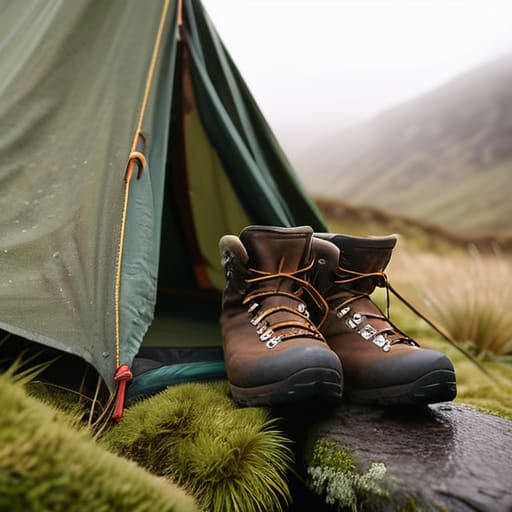
If you aren’t ready to drop a month’s rent on a high-end expedition setup, stop looking at the “ultralight” section of retail websites. Most of those marketing claims are designed to separate you from your money. Instead, look toward cheap outdoor equipment alternatives like the second-hand market. I’ve used a battered, ten-year-old heavy-duty canvas tent for three seasons of wet, muddy treks in the Lake District; it’s heavier than a modern silicone tent, but it’s waterproof, reliable, and cost me a fraction of the price. When buying used, always ask for the weight and, more importantly, how long it’s been stored in a damp garage.
Another way to manage your spending is through low cost camping meal planning that doesn’t rely on expensive, dehydrated pouches. I’ve spent the last five years carrying my own lightweight, reusable dry bags filled with bulk-bought oats, lentils, and spices. It takes a bit more prep work at home, but it’s significantly cheaper and much better for your stomach when you’re cold and tired. Avoid the “convenience” trap; the more you prep before you leave the driveway, the more your wallet—and your energy levels—will thank you.
Five Ways to Save Without Compromising Your Safety
- Prioritise your spend on the “Big Three” and don’t skimp on sleep. I’ve spent many a night shivering in a sleeping bag that was rated for ten degrees warmer than it actually was because I wanted to save fifty quid. If you have a limited budget, buy a decent, weather-tested sleeping bag and a solid mat first; you can use a cheap stove and a basic tent, but you can’t patch a hypothermic night once it’s started.
- Learn the art of the “second-hand hunt” for technical shells. I’ve been using the same old Gore-Tex jacket for six years, and while it’s lost some of its original “pop,” it still keeps the wind off me on a ridge. Check resale sites for high-quality brands; a slightly older, well-maintained jacket from a reputable maker is infinitely better than a brand-new, unproven “budget” brand that will soak through the moment the mist turns to rain.
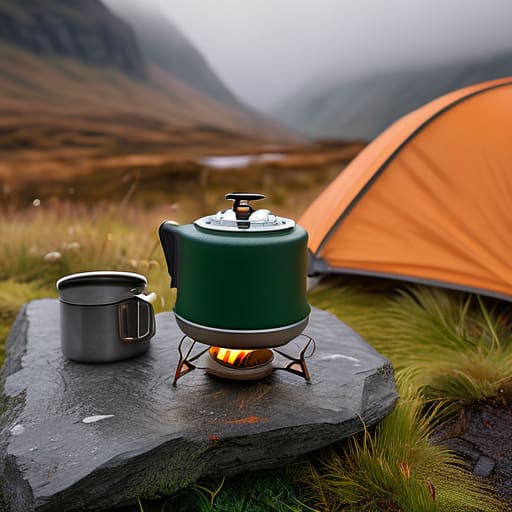
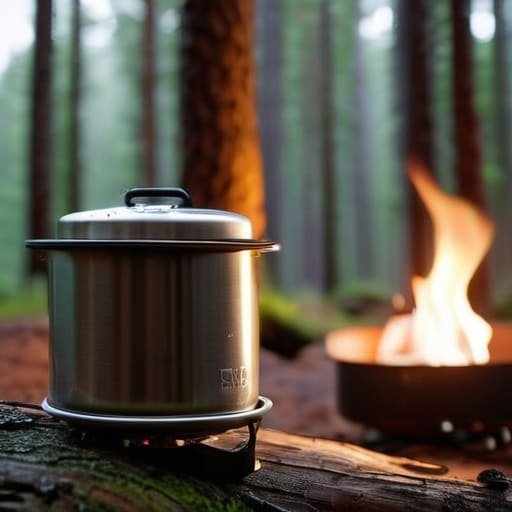
- Master the “kitchen kit” minimalism. You don’t need a dedicated camping stove, a titanium spork, and a specialized mess kit to eat outdoors. I’ve cooked perfectly fine meals over a small, reliable gas burner I’ve carried for a decade, using a single pot and a spoon I bought at a local shop. Avoid the “lifestyle” camping sets that promise everything and deliver nothing but extra weight and extra cost.
- Use your location to dictate your gear, not your gear to dictate your location. If you are camping in a sheltered valley or a managed campsite, you don’t need a four-season mountain tent that weighs three kilos. I’ve seen too many people lugging heavy, expensive expedition gear to a flat, grassy site where a simple, lightweight three-season tent would have sufficed. Match the kit to the terrain to avoid paying for features you won’t use.
- Food prep is where the hidden costs live. Stop buying those pre-packaged, dehydrated “adventure meals” that cost a fortune and taste like wet cardboard. I’ve spent twenty years eating dehydrated oats for breakfast and simple pasta with a bit of pesto for dinner; it costs a fraction of the price and weighs less. Buy your ingredients in bulk, portion them into reusable bags, and you’ll find you have more money left for the actual trip.
The Cost of False Economy
I’ve seen more people walk into trouble because they tried to save forty quid on a sleeping bag than I have seen people get lost because they forgot a map; if your budget gear fails when the temperature drops at 3:00 AM, you aren’t saving money, you’re just paying for a rescue mission in the making.
Bridget Halloran
The Bottom Line on Budgeting for the Wild
At the end of the day, camping on a budget isn’t about deprivation; it’s about calculated decisions. We’ve looked at why renting high-end shells for a weekend trip makes more sense than sinking a month’s wages into a brand-new tent, and how a few clever hacks—like reusing sturdy household items instead of buying specialized “outdoor” versions—can save you a fortune. Just remember that my rule for gear still applies here: if you do decide to buy something used to save money, make sure you actually test it in the rain before you’re halfway up a ridge with no way home. A cheap stove is fine, provided it actually lights when the wind picks up and the temperature drops.
Ultimately, the mountains don’t care about the price tag on your sleeping bag, and the birds don’t give a damn if your jacket was a bargain or a splurge. They only care if you are prepared for the conditions they present. Don’t let the pressure to own the latest, lightest, most expensive kit keep you stuck in the driveway. The goal is to get outside, to see the light change on the horizon, and to find that quiet space where the only thing you hear is the wind. Start where you are, with what you have, and just make sure you have enough layers to stay safe when the weather decides to change its mind.
Frequently Asked Questions
At what point does buying cheap, second-hand gear become a safety risk rather than a budget saving?
It comes down to the “invisible” failure points. I’ll buy a second-hand stove or a used tent from a reliable hiker any day, but I never touch used climbing ropes, helmets, or sleeping pads that have been punctured. If the gear is meant to provide a life-saving barrier—be it warmth, buoyancy, or structural integrity—and you can’t verify its history, the savings aren’t worth the risk. Don’t gamble on things that fail silently.
If I’m renting gear to save money, how do I know it’s actually been maintained well enough to handle a sudden change in weather?
You check the seams and the zippers. When I rent gear, I look for salt stains on the fabric—that’s a sign of improper drying—and I run my hand along the seam tape to ensure it isn’t peeling. If the waterproof coating feels tacky or looks patchy, leave it. A tent might look fine in a showroom, but if those seams aren’t intact, that “sudden change” in weather becomes a very wet, very cold reality.
Which specific pieces of kit are worth the "splurge" even on a tight budget, and which ones can I truly get away with buying the cheapest version of?
Don’t skimp on your sleeping bag or your footwear. I’ve spent three nights in a sub-zero tent with a cheap bag, and the shivering doesn’t stop just because you saved fifty quid. Your boots are your lifeline; if they fail on a ridge, you’re in trouble. However, you can go cheap on stoves, mugs, and even basic trekking poles. I’ve used a battered, twenty-euro burner for five seasons in heavy rain—it works just fine.