I remember standing on a scree slope in the Cairngorms, teeth chattering and visibility down to ten metres, watching a group of hikers stare blankly at a patch of heather that they were convinced was a “scenic vista.” They had the expensive binoculars and the high-end waterproofs, but they were looking for a postcard when they should have been looking for the structure of the land. People tend to think wildlife spotting is about having the best glass, but they miss the fundamental truth of how habitats shape what you see. You can have a thousand-pound lens, but if you don’t understand how a treeline dictates bird flight paths or how a peat bog masks the movement of a predator, you’re just looking at a very expensive blur.
I’m not here to sell you on the idea that nature is a constant, easy-to-spot spectacle. I’m going to talk about the reality of reading the landscape—the boring, essential stuff like light angles, vegetation density, and terrain shifts. I’ll show you how to stop chasing sightings and start understanding the environment so you actually know where to look.
Table of Contents
Decoding Ecosystem Structure and Visibility on the Trail
When you’re standing in a dense canopy of ancient woodland, your world shrinks to about three meters. It’s a different kind of observation than when you’re on an open moorland plateau. In the woods, the ecosystem structure and visibility are dictated by the vertical layers—the leaf litter, the understory, and the canopy. You aren’t looking for wide vistas; you’re looking for the slight movement of a branch or the specific way light filters through a gap. I’ve spent years tracking peregrine activity, and I can tell you that the way a habitat is built determines whether you’re looking for a silhouette against the sky or a flash of color in the shadows.
You also have to account for the edge effects in ecology. The most interesting things usually happen where two environments meet—where the treeline breaks into scrub or where the heather meets the granite scree. These transition zones are high-traffic areas for wildlife, but they are also where your visibility can play tricks on you. A patch of thick gorse might look like a solid wall from a distance, but it’s actually a corridor for movement. Understanding these boundaries is what separates a casual walker from someone who actually knows how to read the terrain.
Visual Cues in Natural Habitats and Where They Hide
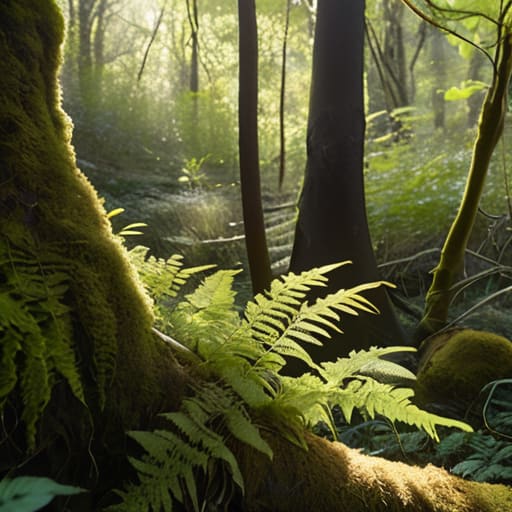
When you’re standing in a dense canopy of ancient woodland, the world feels small and closed-in, but that’s exactly where the action is. In these closed ecosystems, the ecosystem structure and visibility are dictated by the layers—from the leaf litter to the high canopy. You aren’t looking for a bird sitting on a branch; you’re looking for the slight, unnatural tremor of a willow warbler deep in the scrub. Most of the time, you won’t see the animal at all, just the movement that betrays its presence.
The real trick, though, is learning to read the boundaries. I’ve spent years tracking raptors, and I’ve learned that the most interesting things happen at the margins. This is where you see the edge effects in ecology in real-time—the transition zone between a thicket and an open moorland. It’s a high-traffic corridor for predators and prey alike. If you’re looking for movement, don’t stare into the dark heart of the woods; look at the edges where the light breaks through. That’s where the landscape stops being a wall of green and starts offering up its secrets.
Five Ways the Landscape Decides What You’ll Notice
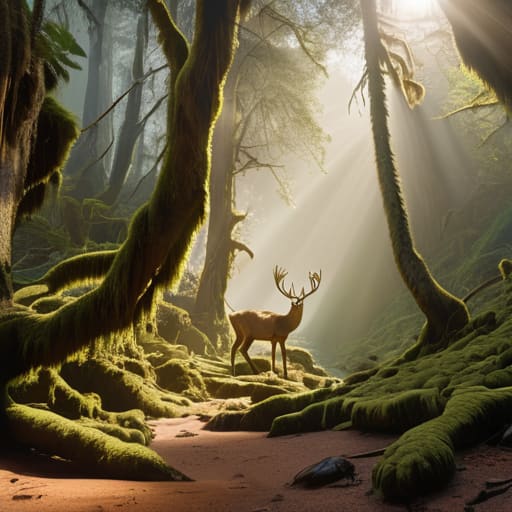
- Respect the verticality of the terrain. In a valley or a dense woodland, your field of vision is compressed; you’re looking at textures and immediate surroundings. Once you hit an open ridge or a scree slope, your eyes naturally want to scan the horizon, which is exactly when you miss the small, crucial details right at your feet.
- Learn to read the “empty” spaces. In scrubland or heather moorland, you aren’t looking for a bird sitting on a branch; you’re looking for the slight, unnatural movement in the gaps between the plants. If you only look for solid objects, you’ll miss the life that thrives in the shadows of the structure.
- Account for light-trap effects in different habitats. A deep ravine holds shadows long after the sun has cleared the peaks, meaning you’re looking at silhouettes rather than color. I’ve spent many a late afternoon in the Cairngorms realizing that what I thought was a dark rock was actually a bird of prey tucked into a shadow.
- Use the wind as a visual guide. In open, exposed habitats like alpine tundra, animals and birds will almost always be positioned on the leeward side of a feature. If you’re scanning a windy ridge, don’t waste energy looking at the windward face; look at the lee of the boulders where things actually seek shelter.
- Understand that habitat edges are where the action is. The most interesting things happen at the ecotones—the transition zones between a forest and a meadow, or a river and a bank. These boundaries are high-traffic areas for wildlife, but they are also where the terrain becomes most unpredictable for your footing.
The Gap Between Looking and Seeing
You can spend all day staring at a hillside, but if you don’t understand how the scrub moves or how the light hits a particular ledge, you aren’t actually seeing anything; you’re just looking at a green wall while the things you’re actually searching for are hiding in plain sight right in front of you.
Bridget Halloran
Looking Beyond the Postcard
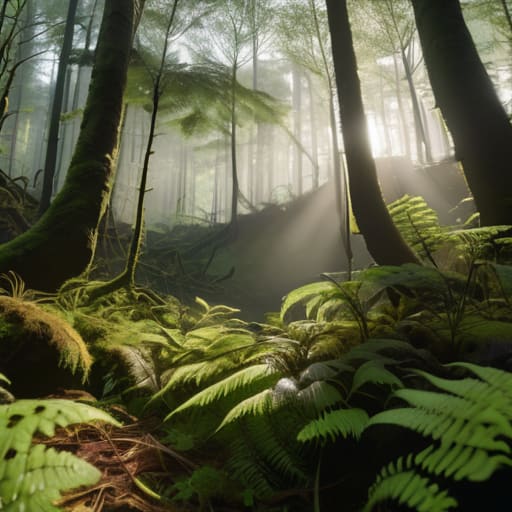
At the end of the day, seeing what’s actually there requires more than just opening your eyes; it requires an understanding of the terrain’s architecture. Whether you are squinting through the dense, tangled undergrowth of a lowland woodland or scanning the stark, exposed scree slopes of a high ridge, the habitat dictates your field of view. You have to learn to read the layers of the landscape—recognizing that a sudden patch of stillness in the scrub often signals a predator, or that the way light hits a specific valley floor tells you exactly where the thermal currents will rise. It is about moving past the superficial view and learning to anticipate where the environment is trying to hide its secrets from you.
I’ve spent twenty-two years watching the way light and structure change the way we perceive the wild, and if there is one thing I have learned, it is that patience is your best piece of kit. Don’t rush through a habitat just to tick off a summit or a milestone. If you slow down, respect the way the wind moves through the trees or how the shadows stretch across a moor, the landscape will start to talk back to you. The most profound moments rarely happen when you’re sprinting for the view; they happen when you finally stop moving and let the true character of the habitat reveal itself.
Frequently Asked Questions
How much does the time of day and changing light quality actually affect my ability to spot birds of prey in different types of terrain?
Light is everything. In open moorland, midday sun makes a kestrel easy to spot, but that same glare can wash out a buzzard against a pale sky. I’ve found that the “golden hour” is a double-edged sword; the low light creates long shadows in crags that can either hide a nesting peregrine or silhouette it perfectly. If you’re in dense woodland, forget midday—you need that dappled, directional light to catch a movement through the canopy.
If I'm moving through dense woodland versus open moorland, how should I adjust my scanning technique to avoid missing movement?
On the moor, you scan wide and steady. The movement is often a silhouette against the sky or a sudden shift in a distant heather patch; you’re looking for breaks in the horizon. In dense woodland, that fails. You have to shorten your gaze and look for “micro-movements”—the twitch of a feather or a branch settling. Don’t stare at one spot; let your eyes drift to catch the peripheral flicker.
Does the specific weather—like heavy mist or high winds—change which habitats are most likely to reveal wildlife?
Weather doesn’t just change what you see; it changes where the life moves. When the wind picks up on a ridge, the birds aren’t staying exposed; they’re hunkering down in the lee of the crags or dropping into the scrubby heather below. In heavy mist, the open moorland becomes a blank wall, and you’re better off looking for movement in the sheltered woodland edges or the dense riparian corridors where the air stays slightly more still.