I remember a Tuesday in the Cairngorms, about six years ago, when the wind was gusting at forty knots and the rain was coming in sideways. I wasn’t worried about the visibility or the temperature drop; I was staring at my feet, feeling that specific, hot throbbing that tells you a blister is about to turn your entire expedition into a miserable crawl back to the glen. People treat a complete guide to foot care like it’s a luxury ritual involving expensive creams and fancy pedicures, but out here, it’s actually about survival and decision-making. If you wait until you’re limping to think about your feet, you’ve already lost the battle against the terrain.
I’m not here to sell you a miracle balm or a high-tech gadget that promises to turn your feet into granite. What I am going to give you is a practical, no-nonsense breakdown of what actually works when you’re twenty miles in and the weather is turning. I’ll tell you exactly which liners I’ve used for over three hundred days of heavy trekking, how I manage moisture in freezing conditions, and why your choice of sock matters more than the brand of your boots. This isn’t about perfection; it’s about staying on the hill when things get difficult.
Table of Contents
Preventing Foot Blisters Before the First Mile Ends
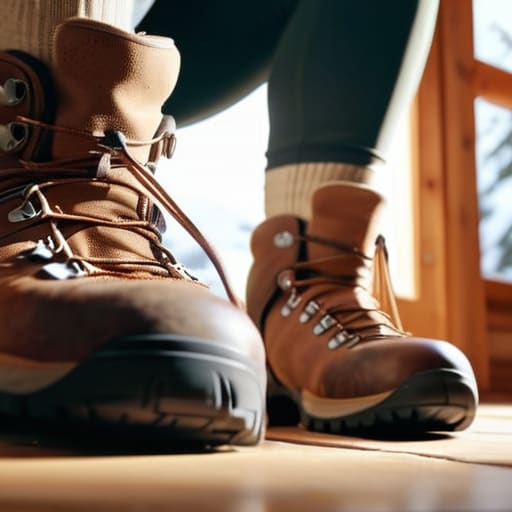
Most people think blisters are an inevitability of a long day on the hills, but they’re usually just the result of friction and moisture working together. I’ve spent twenty years watching people struggle through the final three miles of a route because they ignored the small things at mile one. The foundation of preventing foot blisters isn’t just about luck; it’s about managing the microclimate inside your boot. I always tell my clients that if your feet feel even slightly damp, you’re already behind the curve.
I’ve used the Darn Tough merino blends for at least five seasons now, through everything from boggy Lakeland valleys to dry, dusty scrambles, and they remain the best moisture-wicking socks I’ve found for keeping that heat and sweat away from the skin. However, even the best socks won’t save you if your boots aren’t broken in or if you’re wearing them too tight. You need enough space for your feet to swell naturally throughout the day without creating those high-pressure hotspots that turn into weeping blisters by sunset.
Proper Footwear for Foot Health on Variable Terrain
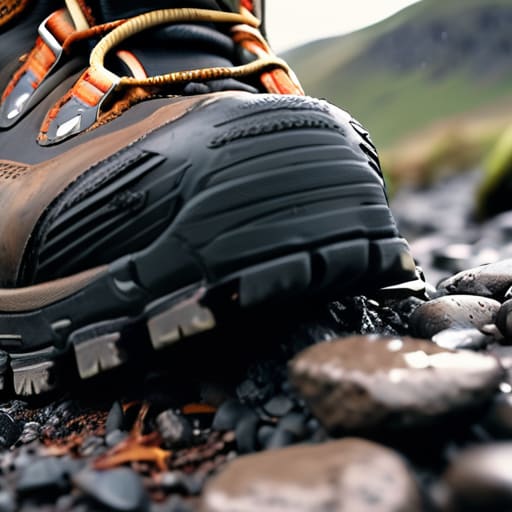
I’ve spent two decades watching people try to force their way up a scree slope in lightweight trail runners that were never designed for lateral stability. It usually ends with a rolled ankle or a very long, very slow walk back to the car. When I’m choosing boots, I’m not looking at the marketing photos; I’m looking at the stiffness of the midsole and how the heel cup holds you when the ground turns to mud. I’ve used my Scarpa Megas for over four seasons now, mostly on heavy, wet peat and rocky ridges in the Lake District, and they’ve held their shape through hundreds of miles of lateral stress.
Finding proper footwear for foot health isn’t about buying the most expensive leather boot on the shelf; it’s about matching the sole’s grip and support to the actual terrain you intend to walk. If you’re on technical, uneven ground, you need a boot that prevents your foot from sliding inside the shoe, because that micro-movement is exactly what starts the friction that leads to injury. I’ve seen too many hikers ignore the importance of a secure fit, only to find that improperly laced boots turn a pleasant afternoon into a lesson in pain.
The Small Decisions That Save Your Feet When the Weather Turns
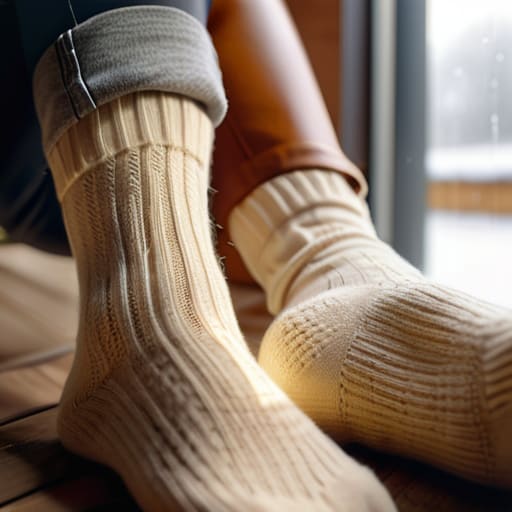
- Stop treating your socks like an afterthought. I’ve spent fifteen years wearing merino blends, and I’ve learned that once a sock is damp from sweat or a shallow stream crossing, it’s dead weight. I carry two spare pairs of Darn Tough mid-weights in my dry bag; I’ve used them in everything from temperate Lakeland mists to freezing Scottish traverses, and the ability to swap to bone-dry wool at mile ten is the difference between finishing a route and calling for a lift.
- Learn to read the “hot spot” before it becomes a blister. If you feel a localized warmth or a slight friction point, you don’t keep walking to “push through it.” You stop immediately. I’ve seen too many people ignore a tiny bit of rubbing only to find themselves immobile three hours later when the sun goes down and the temperature drops.
- Manage your moisture levels with more than just luck. It isn’t just about the socks; it’s about the microclimate inside the boot. I use a lightweight talcum powder or specialized foot powder on my skin before I lace up, which I’ve found helps manage the sweat buildup during heavy ascents in humid conditions. It sounds old-fashioned, but after a long day of climbing in heavy leather boots, it keeps the skin from macerating.
- Don’t underestimate the power of a mid-day sock change. Most people think foot care is something you do at the campsite, but if you’re on a multi-day trek, your feet are working overtime. I make it a rule to change my socks at every lunch break, even if they don’t feel wet yet. It lets the skin breathe and prevents that constant, damp friction that leads to skin breakdown.
- Keep a dedicated “repair kit” that isn’t just for your gear, but for your skin. I never head out without a small roll of Leukotape or Compeed in my first aid kit. I’ve used Leukotape in gale-force winds and soaking rain to secure dressings, and unlike the cheap pharmacy versions, it actually stays put when your feet are sweating or wet. If you wait until you’re at the tent to deal with a wound, you’ve already lost the battle.
The Cost of Optimism
I have seen more trips ended by a single, hot spot on a heel than by any sudden change in the weather. You can have the best navigation and the most expensive waterproofs, but if you ignore your feet because you’re too determined to reach the summit, the mountain will eventually force you to stop on its own terms.
Bridget Halloran
The Long View on Foot Care
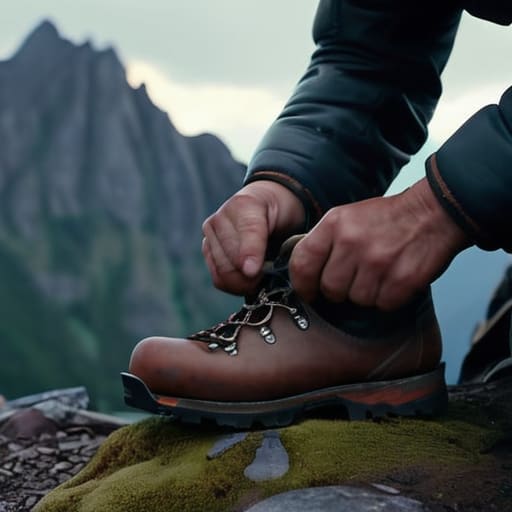
At the end of the day, foot care isn’t about having the most expensive, high-tech socks or the lightest boots on the market; it is about the discipline of the small things. It is about recognizing that a slightly damp sock or a piece of grit in your boot is a problem that needs solving immediately, not three hours later when you are halfway up a ridge in a gale. You have to manage your layers, respect your footwear, and listen to what your feet are telling you before they start shouting. If you get the basics right—the fit, the moisture management, and the preventative care—you take the guesswork out of the equation and leave more room for the actual walking.
I have spent twenty-two years watching people struggle because they thought they could outrun a blister or ignore a heavy boot. The mountains don’t care about your optimism, but they are remarkably forgiving if you prepare for the reality of the ground beneath you. When you stop fighting your gear and start working with your body, the terrain stops being an adversary and starts being the reason you went out in the first place. Keep your feet dry, keep your laces tight, and don’t let a single small decision ruin a great view.
Frequently Asked Questions
How do I know if my boots are actually broken in, or if I'm just being too optimistic about the pain?
The difference is between a “hot spot” and a structural ache. A hot spot—that localized, stinging warmth—means the boot is fighting your foot; that’s a friction issue you can fix with tape or different socks. But if your arches are throbbing or your toes are bruising against the front after six hours on a descent, that’s not “breaking them in.” That’s a mismatch between your gait and the boot’s geometry. Don’t mistake a bad fit for character building.
When a hot spot starts, should I push through to reach the next camp or stop immediately to fix it?
Stop immediately. I’ve seen too many people try to “power through” to a campsite, only to find that a small hot spot has turned into a bloody, unwearable mess by sunset. Once the skin is compromised, you’re no longer managing a sensation; you’re managing an injury. Stop, get your boots off, assess the damage, and apply a barrier or tape right then. It takes five minutes now, or five hours of limping later.
What's the best way to manage damp, swollen feet when I'm stuck in a multi-day rain event?
When the rain doesn’t stop, your feet become a management problem. I’ve spent three days straight in the Cairngorms with soaked socks, and the key is moisture control, not just dryness. Every evening, I strip off everything, dry my skin thoroughly, and apply a thick barrier cream to prevent maceration. I swap to fresh, thin liner socks inside my main pair to wick moisture away. If they’re throbbing, elevate them—don’t just keep pushing through the damp.