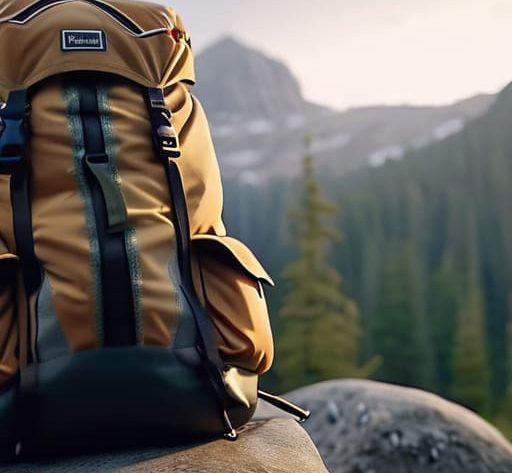
I’ve sat on too many ridges in the Cairngorms watching people struggle with packs that were far too technical for what they were actually doing. Most of the gear marketing out there wants you to believe you need a hundred different attachment points, specialized hydration sleeves, and enough compression straps to rebuild a suspension bridge. It’s nonsense. A complete guide to rucksacks shouldn’t be about which high-tech gadgetry makes you look like an elite alpinist; it should be about how that weight sits on your hips when you’re ten miles in and the wind has just picked up to forty knots. If a pack is “feature-rich” but the harness chafes the moment you start sweating, it’s just expensive dead weight.
I’m not here to repeat a manufacturer’s press release or tell you that a specific brand is “life-changing” just because it’s trending. Instead, I’m going to tell you what actually matters: load distribution, fabric durability in the wet, and how much a pack actually weighs when you’ve shoved your layers into the bottom. I’ll tell you exactly how many seasons I’ve put a bag through and the specific conditions where it failed me. This is about finding the gear that stays out of your way so you can focus on the trail.
Table of Contents
Choosing the Right Hiking Backpack Before the Sky Turns Gray
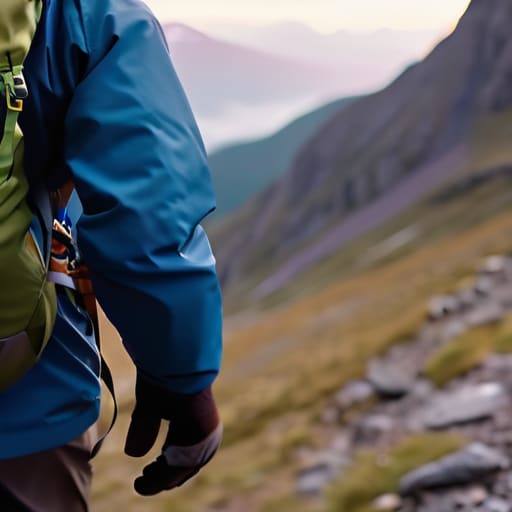
When you’re halfway up a scramble and the wind starts whipping through the corrie, you don’t want to be fighting your own kit. Most people focus on how much they can cram into a bag, but they forget that rucksack ergonomics and weight distribution are what actually determine whether you’ll make it back to the car before dark. I’ve spent a decade carrying everything from a light daypack to a heavy expedition load, and I’ve learned that if the weight isn’t sitting on your hips, it’s sitting on your shoulders—and your shoulders will pay for that mistake by the time you hit the descent.
Don’t just grab the biggest bag you see because it looks “prepared.” You need to understand rucksack volume in liters explained in the context of your actual trip. A 70L pack is a life-saver for a week in the Cairngorms, but it’s a heavy, cumbersome anchor for a quick ridge walk. I always tell my clients to choose a capacity that forces them to be disciplined. If you have too much room, you’ll fill it with “just in case” items that eventually turn into a heavy, unbalanced mess when the weather turns.
Rucksack Volume in Liters Explained Avoiding the Overpacked Trap
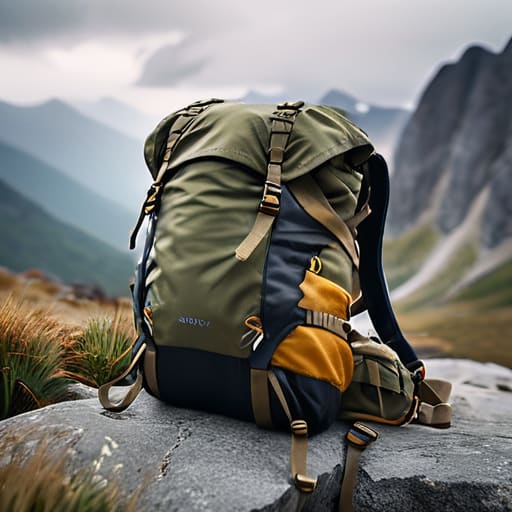
The mistake I see most often—and I’ve seen it from teenagers to seasoned walkers—is the assumption that more space equals more freedom. It doesn’t. It just means you have more room to pack things you don’t actually need. When we talk about rucksack volume in liters explained, we aren’t just talking about capacity; we are talking about the weight you are committing to carry when the wind picks up on a col.
For a single day, 20 to 30 liters is usually plenty. I’ve carried my 25L Osprey Talon for five years, through everything from dry heat in the Pyrenees to freezing sleet in the Cairngorms, and I’ve never once needed more. If you jump to a 50L pack for a day hike just because “it might rain,” you’re inviting a disaster. You’ll fill that extra space with “just in case” items that end up wrecking your rucksack ergonomics and weight distribution.
If you are planning a multi-day trek, aim for 50 to 70 liters, but remember: every liter you add is a decision you’ll have to justify with your knees at 4:00 PM when the light is failing.
Five Things a Product Description Won't Tell You
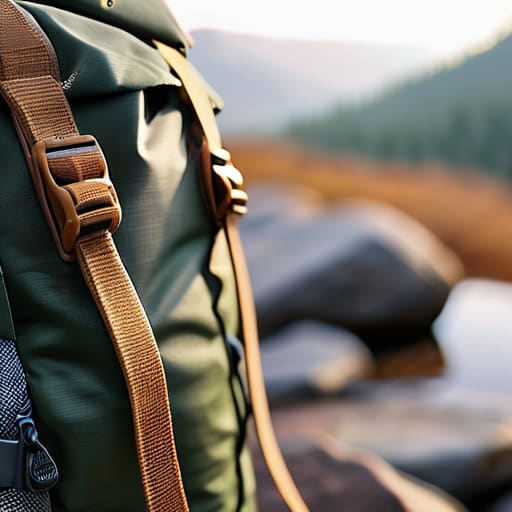
- Check the hip belt before you buy. I’ve spent twenty-two years carrying weight, and if that belt doesn’t sit firmly on your iliac crest—not your waist, your hips—you aren’t carrying a pack, you’re just punishing your shoulders. I used my Osprey Atmos for a six-day trek in the Cairngorms last autumn, and the way that belt transferred the weight meant I wasn’t feeling the load in my traps by day four.
- Test the harness for “sweat management” in real conditions, not a shop mirror. A mesh back panel feels great when you’re walking through a dry valley, but I’ve spent too many afternoons in horizontal rain seeing those “breathable” gaps turn into cold, wet tunnels against my spine. If the ventilation doesn’t work when you’re actually working hard, it’s just a way to get chilled faster.
- Look at the access points, not just the main lid. When you’re caught in a sudden downpour or trying to find a headtorch at dusk, you don’t want to be emptying your entire kit onto the mud just to find one item. I prefer a pack with a side zip or a bottom compartment; I used a Gregory Zulu with a side access zip during a scramble in the Lake District last May, and being able to grab my mid-layer without dumping my food was the difference between staying warm and getting a chill.
- Don’t trust the “waterproof” label blindly. I have never, not once, trusted a rucksack to stay dry on its own in a sustained mountain storm. I’ve used various high-end Gore-Tex lined packs over the last decade, and while they hold up well in a drizzle, they eventually fail in a deluge. Always factor a pack cover into your weight calculations, or better yet, use dry bags for your essentials.
- Evaluate the weight of the pack itself, empty. It’s easy to get distracted by the features—the trekking pole loops, the hydration ports, the myriad of pockets—but if the frame and fabric add two kilos before you’ve even put a single piece of gear inside, you’re making a mistake. Every gram you carry is a decision you’ll have to justify when the wind picks up and the daylight starts fading.
The Weight of a Bad Decision
“I’ve sat in a bivvy bag at 3:00 AM, shivering because I tried to squeeze an extra liter of water and a heavy fleece into a pack that was already at its limit; a rucksack isn’t just a bag, it’s the difference between a manageable trek and a dangerous struggle against your own gear.”
Bridget Halloran
The Weight You Carry
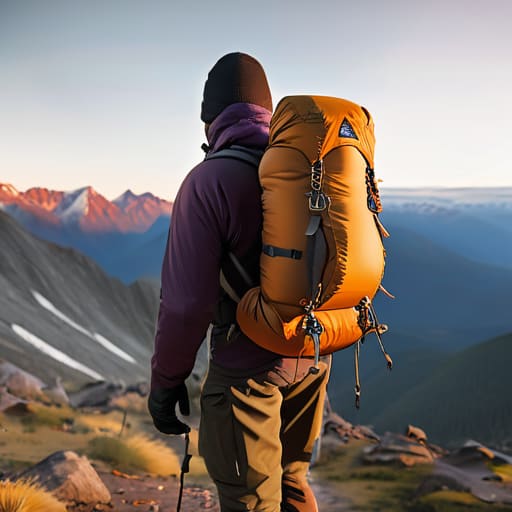
At the end of the day, choosing a rucksack isn’t about finding the one with the most bells and whistles or the flashiest colorway in the shop window. It’s about understanding the relationship between your capacity, your load, and the environment you’re stepping into. You need to know if that volume is enough for your layers when the temperature drops, and you need to be certain the suspension system won’t leave you with bruised hips halfway through a descent. I’ve spent a decade watching people struggle because they prioritized features over fit, and I’ve seen far too many hikers realize too late that their pack was either too small for the weather or too heavy for the terrain. Get the volume right, check the weight, and ensure it sits on your hips, not your shoulders.
Ultimately, your pack is the only thing standing between you and the elements when things go sideways. It is your mobile base of operations, your shelter, and your lifeline. If you treat the selection process with the same respect you show a weather forecast, you’ll find that the gear becomes an extension of yourself rather than a burden to be endured. The hills don’t care about your kit, but you should care deeply about how that kit performs when the light is fading and the wind is picking up. Choose well, test it thoroughly on a short walk before you commit to a multi-day route, and then get out there.
Frequently Asked Questions
How do I know if a rucksack's suspension system is actually going to handle the weight once I'm five hours into a steep ascent?
You don’t know by reading a spec sheet; you know by how your hips feel after four hours of vertical gain. A good suspension system should transfer the load to your iliac crest, not your shoulders. I’ve used the Osprey Atmos for three seasons on heavy-load traverses in the Cairngorms, and the frame holds steady without sagging. If you feel the weight pulling your shoulders back or your spine compressing, the suspension is failing you.
Is it worth paying the extra money for a waterproof rucksack, or should I just invest in a heavy-duty rain cover?
I’ve used rain covers for fifteen years, and they almost always fail when you actually need them. They flap in high winds, collect water in the folds, and eventually, the moisture finds its way to your spare layers. I’ve spent three days in relentless, driving rain with a fully waterproof roll-top pack; it’s heavier and less flexible, but my sleeping bag stayed bone-dry. If you’re heading into anything more than a light drizzle, pay for the waterproof fabric.
How do I balance the need for more capacity with the reality that a heavier pack is usually the first thing to cause fatigue when the weather turns?
It’s a trade-off that usually ends in a mistake. I’ve seen too many people pack for a “worst-case scenario” that ends up being their actual reality, dragging a 15kg pack up a scree slope when they only needed 9kg. You don’t solve this with more volume; you solve it with better layering and more efficient gear. If you can’t carry it comfortably for six hours in a steady drizzle, you shouldn’t be carrying it.