I remember standing on a ridge in the Cairngorms three years ago, watching a group of hikers freeze because they’d bought into the marketing hype of a “breathable” shell that turned out to be nothing more than a glorified plastic bag. They were soaked from the inside out by their own sweat before the actual rain even hit. Most of the advice you find online is just a repackaged press release, promising magic membranes that fail the moment the wind picks up or the temperature drops. If you are looking for a complete guide to waterproofs that tells you which expensive brand name will make you feel like an elite alpinist, you’ve come to the wrong place.
I’m not here to sell you on a lifestyle; I’m here to make sure you don’t end up shivering in a tent at 2:00 AM. This is a practical, no-nonsense look at what actually works when the weather turns foul. I will tell you exactly how much a jacket weighs, how it performs after forty hours of heavy use in horizontal rain, and—most importantly—where it fails. This is about the reality of the elements, not the glossy photos in a catalogue.
Table of Contents
Waterproof vs Water Resistant Choosing Your Line of Defense
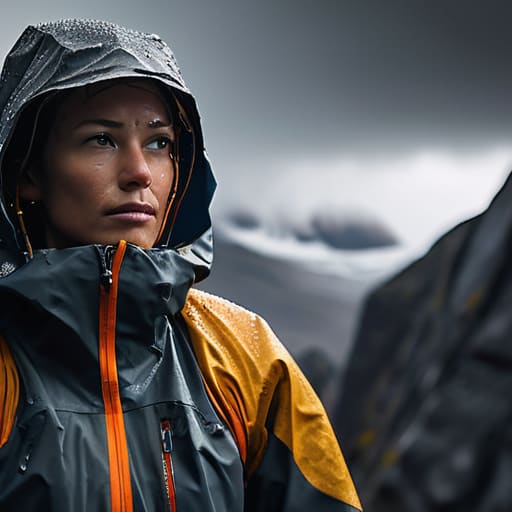
People often treat “waterproof” and “water resistant” as interchangeable terms, but in my experience, that distinction is the difference between a comfortable afternoon and a hypothermic evening. Water resistance is generally about a softshell or a treated fabric designed to shrug off a light mist or a quick dash between shelter points. It’s light, it moves well, and it’s great for high-output movement when the sky is merely threatening. However, once the wind picks up and the rain starts hitting you sideways on a ridge, water resistance will fail you.
When you move into true waterproof territory, you’re dealing with membranes. I’ve spent a decade testing various Gore-Tex vs alternative membranes, and the reality is that no jacket is a perfect seal. You are managing a balance of protection and moisture vapor transfer. If you choose a jacket with a high hydrostatic head rating explained simply, it means the fabric can withstand more pressure before water pushes through the fibers. I’ve worn a heavy-duty hardshell for four days straight in the Lake District during a November soak; it was heavy, but it kept the internal microclimate stable while everything else was saturated.
Hydrostatic Head Rating Explained Without the Marketing Fluff
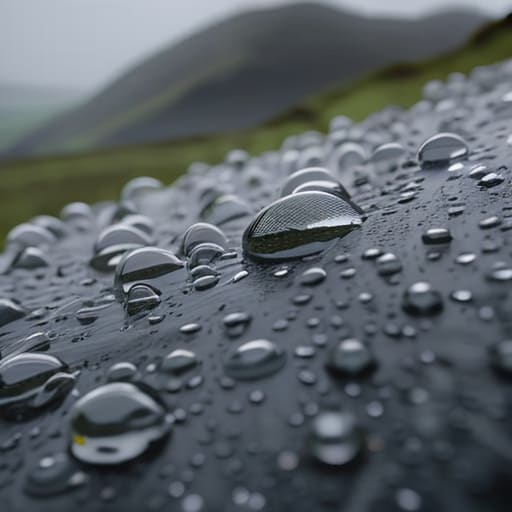
When you look at a spec sheet, you’ll see a number followed by ‘mm’. That is the hydrostatic head rating, and it’s essentially a measure of how much water pressure a fabric can withstand before it starts to seep through. To test it, they submerge a column of water over the fabric; a 5,000mm rating might hold up in a light drizzle, but once you are leaning into a gusting wind on a Lakeland ridge, that pressure increases significantly. I’ve spent countless hours in gear rated at 10,000mm and 20,000mm, and the difference becomes painfully obvious when the rain stops being vertical and starts hitting you sideways.
However, don’t fall into the trap of thinking a higher number automatically means better breathable waterproof technology. You can have a jacket that is incredibly waterproof but acts like a plastic bag once you start moving. I’ve worn several high-spec shells during three-day treks in high humidity, and if the membrane can’t move moisture away from your skin, you’ll be soaked from the inside out by sweat before the rain even touches you. It’s about finding the balance between the barrier and the breathability.
Five Real-World Rules for Staying Dry

- Don’t trust a ‘waterproof’ label if you haven’t tested the seams; I’ve spent four days in a steady Scottish drizzle in my current shell, and it’s the taped seams, not the fabric itself, that actually stopped the soak.
- Prioritise ventilation over absolute dryness; there is nothing more miserable than being bone-dry from the rain but soaked from the inside by your own sweat, which is why I never go out without pit zips, even if they add 40 grams to the weight.
- Remember that your waterproofs are a system, not a single garment; a high-spec jacket is useless if your mid-layer is a heavy cotton fleece that holds onto moisture like a sponge once the humidity rises.
- Watch the wind, not just the rain; a high hydrostatic head rating matters far less when a 40mph gust is forcing moisture through the weave of a thin fabric, so always choose a shell with a bit of structural weight for ridge work.
- Learn to read the sky rather than just the app; I’ve seen many a group get caught out because a forecast said ‘light showers’ when the actual pressure drop indicated a proper cell was moving in, and by then, their gear was already overwhelmed.
The Cost of an Optimistic Forecast
I’ve stood on a ridge in a ‘water-resistant’ softshell while the wind turned a light drizzle into a sideways deluge, and that’s when you realize the difference between a gear rating and actual survival; a waterproof isn’t just about staying dry, it’s about managing the heat and moisture so you don’t end up shivering in a damp layer when the light starts to fail.
Bridget Halloran
Making the Call

At the end of the day, choosing your waterproofs isn’t about finding the highest number on a spec sheet or buying the most expensive brand in the shop. It’s about matching your kit to the specific reality of the ridge you’re standing on. You need to weigh the hydrostatic head against the wind speed, the breathability against the intensity of your movement, and the weight of the garment against how much energy you have left to carry it. I’ve learned the hard way that a high-end shell is useless if it’s so stiff you can’t move, or so heavy that you’re already exhausted by the time the clouds actually break. Understand the difference between resistance and protection, and more importantly, understand your own limits before the weather does.
There is a specific kind of peace that comes from being caught in a storm when you know your layers are working. It isn’t about being “dry” in the sense of being indoors; it’s about staying warm and functional enough to make the right decisions. The mountains don’t care about your gear, but they certainly respect a well-prepared person. Don’t let the fear of a bit of dampness keep you from the hills, but never let optimism override your kit list. If the forecast looks grim and your gear isn’t up to it, turn back. There is always another walk, but there is only one you.
Frequently Asked Questions
How do I know when the waterproof membrane has actually failed versus just being soaked through from sweat?
It’s the question I get most often when people are shivering in a tent. If the moisture feels like a cold, heavy sheet against your skin, the membrane has likely failed or the DWR has collapsed. If it feels more like a warm, humid sauna, you’re just sweating. I’ve spent ten days straight in my Arc’teryx shell in the Cairngorms; if the water stops beading and starts soaking the face fabric, it’s time to wash it—or replace it.
Is it worth the extra weight to carry a heavy-duty hardshell if I'm mostly doing low-level ridge walks?
If you’re strictly staying below the tree line on a summer day, no. But “low-level ridge walks” is a dangerous way to frame it. I’ve seen the weather turn from a sunny stroll to a freezing, horizontal deluge in twenty minutes because a front moved in faster than the forecast predicted. I’ve carried a 450g hardshell through three days of relentless Scottish mist; it’s heavy, but it’s the difference between a damp afternoon and hypothermia.
How often should I be washing my technical layers to keep the DWR from giving up on me?
You’ll notice your shell starts “wetting out”—the fabric looks dark and heavy instead of beading water—long before you actually feel damp. That’s your DWR failing. I wash my hardshells roughly every ten to fifteen days of active use, or whenever the water stops rolling off. I use a specific technical wash, never standard detergent, which ruins the membrane. If it’s soaked through, wash it, dry it, and tumble it on low to reactivate the coating.