I spent three hours last Tuesday watching a group of hikers huddled under a single, oversized canopy, looking utterly defeated because they’d followed a “complete guide to hiking kit” that prioritized shiny, lightweight gadgets over actual protection from the wind. They had the expensive, high-tech shells that look great in a catalog, but none of them understood how a single layer of damp cotton against the skin can turn a brisk afternoon into a dangerous hypothermic event once the sun drops behind the ridge. Most gear lists online are just glorified shopping lists designed to sell you more stuff, rather than teaching you how to manage your microclimate when the weather turns.
I’m not here to sell you a lifestyle or a brand; I’m here to tell you what actually works when you’re shivering in a horizontal downpour. In this guide, I’ll break down the essentials based on real-world testing—I’ll tell you exactly how many days I’ve worn a piece, the specific conditions it survived, and the weight you’re actually carrying. We aren’t going to talk about what looks good on Instagram; we are going to talk about the gear that keeps you dry, warm, and safely on the right side of a decision.
Table of Contents
Moisture Wicking Clothing and the Art of Layering
The biggest mistake I see people make—and I’ve seen it countless times when leading groups through sudden shifts in the weather—is thinking that “waterproof” is the only thing that matters. If you’re soaked from the inside out because your base layer is holding onto sweat like a sponge, your expensive shell won’t save you from hypothermia once you stop moving. You need moisture wicking clothing that moves perspiration away from your skin immediately. I’ve spent the last four seasons relying on a specific 150gsm merino wool blend; it’s light, it doesn’t stink after three days of heavy climbing, and even when it gets damp, it still holds some thermal value.
Layering isn’t about wearing everything you own; it’s about managing your microclimate. I treat my kit like a system: a base layer for sweat, a mid-layer for loft and warmth, and a shell for the elements. When you’re focused on backpacking weight management, you have to be ruthless. If a piece of clothing doesn’t serve a specific thermal purpose or fit into this system, leave it at home. I’ve sat on ridgelines in horizontal rain where the difference between a functioning layer system and a wet cotton t-shirt was the difference between a manageable afternoon and a very long, very cold walk back to the car.
The Essential Hiking Gear Checklist for Staying Dry
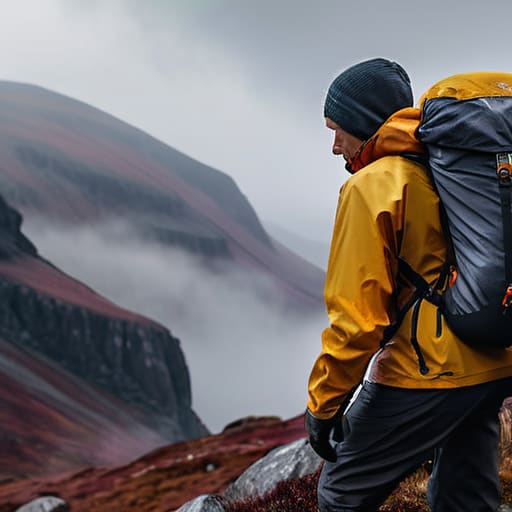
When you’re staring at a weather forecast that promises “moderate showers” while standing on a plateau in the Cairngorms, you realize quickly that your gear is your only real barrier against hypothermia. A proper essential hiking gear checklist shouldn’t just be a list of items; it should be a strategy for moisture management. I’ve spent the last four days testing a new 3-layer Gore-Tex shell in a sustained, freezing drizzle, and while it’s lighter than my old heavy-duty beast, the breathability is what actually matters when you’re working hard on an ascent. If your shell can’t vent the steam you’re generating, you’ll be soaked from the inside out before you even reach the ridge.
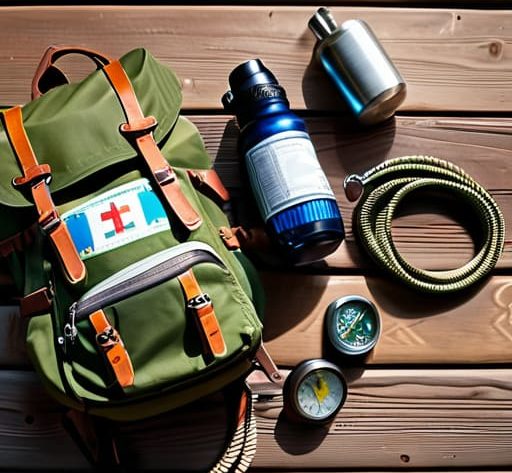
Don’t forget the small, often overlooked items that fall under emergency survival gear for hikers. I always carry a lightweight emergency bivvy and a high-quality compass, even on “easy” walks. I’ve seen too many people rely solely on a smartphone for navigation, only to find the battery dies when the temperature drops or the mist rolls in. Your kit needs to be reliable when the technology fails.
Five Decisions That Separate a Good Day from a Search and Rescue Call
- Stop trusting the app on your phone. I’ve spent twenty-two years watching people rely on a sunny icon in a weather app while the actual pressure is dropping and the wind is turning north-westerly. A forecast is a mathematical probability, not a promise; if the clouds are bruising and the wind is picking up on the approach, you pack for the worst-case scenario, not the prettiest one.
- Weight is a deceptive metric. A lightweight pack feels great for the first three miles of a valley walk, but I’ve seen that optimism evaporate when you’re five hours in, the temperature has dropped ten degrees, and you realize your “ultralight” gear doesn’t actually provide the thermal protection you need. I always carry an extra mid-layer that weighs about 300g more than I want to; I’ve used it every single time the wind hits a ridge, and I’ve never regretted the extra weight.
- Footwear is not a fashion choice. I’ve walked more people off hills in the dark because they were wearing “approach shoes” that lacked the lateral stability for a scree slope or a muddy descent. If you haven’t worn your boots on at least three full-day hikes in varied terrain—including at least one soak through—you aren’t ready for a multi-day route.
- Master your lighting before the sun disappears. Most people pack a tiny, cheap headlamp and think they’re sorted. I’ve been caught on a descent in the Cairngorms with a dying battery and a flickering light; it’s a terrifying way to realize you didn’t bring spares. Always carry a primary lamp with at least 300 lumens and a dedicated, lightweight backup that you have personally tested in the dark.
- Respect the “Turn Back” threshold. The most important piece of kit you own is your judgment. I have turned back more groups at 2:00 PM than I have pushed them to 6:00 PM. If the light is fading faster than expected or the weather is turning more aggressive than your kit can handle, stop. The mountain isn’t going anywhere, but your ability to navigate it safely certainly will.
The Cost of Optimism
Most people pack for the walk they want to have, rather than the one the mountain is actually planning to give them. I’ve spent twenty years watching that gap close in real-time, and it’s usually a piece of gear you thought was ‘optional’ that becomes the only thing standing between you and a very long, very cold night.
Bridget Halloran
The Final Check
At the end of the day, a kit list isn’t just a shopping list; it is your survival strategy. We have covered everything from the necessity of moisture-wicking base layers to the specific shells that actually stand up to a sustained ridge-line downpour. Remember that weight matters, but reliability matters more. I have spent two decades seeing people realize too late that a lightweight pack is useless if the contents aren’t organized for quick access when the visibility drops to zero. Don’t just buy things because they look good in a catalogue; make sure you know exactly how every piece of gear performs when you are wet, tired, and losing daylight.
Ultimately, the best kit in the world won’t save you from a fundamental lapse in judgment, but it will give you the margin you need to make the right one. The mountains don’t care about your expensive gear, but they certainly notice when you’re unprepared. Use your kit to buy yourself time—time to find the trail, time to put on a layer before you start shivering, and time to turn back before the weather turns. If you respect the equipment, respect the forecast, and respect your own limits, the hills will be a lot more welcoming. Now, go out there, test your gear, and stay safe.
Frequently Asked Questions
How do I know if a waterproof jacket is actually going to breathe when I'm working hard on a steep ascent, or if I'm just going to end up soaked from the inside out?
You’re asking about breathability, which is where most people make that one optimistic mistake. If you’re huffing up a steep pitch, a membrane that looks good on paper won’t save you if it can’t move moisture fast enough. I’ve spent twelve days straight in my Arc’teryx Beta AR in driving rain and heavy sweat; it breathes, but you’ll still feel the damp if you don’t vent. If it doesn’t have pit zips, don’t bother.
At what point does adding more weight for "just in case" gear become a safety risk rather than a precaution?
It becomes a risk the moment your pack weight dictates your pace or your decisions. I’ve seen it happen: a group gets tired because they’re lugging an extra three kilos of “just in case” kit, so they push through the afternoon to save time, only to find themselves caught on a ridge after dark. If the weight makes you skip a snack, ignore a weather shift, or move too slowly to beat the light, it’s no longer a precaution. It’s a liability.
How can I tell the difference between a genuine weather warning and the kind of vague forecast that makes people make those fatal, optimistic decisions?
Look for specific terminology. A “chance of showers” is a suggestion; a “Yellow Warning for Wind” or “Red Warning for Rain” is a command. If the forecast mentions “gusts up to 50mph” or “visibility dropping below 50 metres,” stop planning and start reconsidering. I’ve seen too many people treat a vague cloud cover report as an invitation, only to find themselves on a ridge when the wind actually arrives. If the warning mentions timing, believe it.