I was standing on a frost-slicked ridge in the Cairngorms three years ago, my fingers so numb I could barely operate my binoculars, watching a pair of ptarmigan blend perfectly into the snow. I had spent four hours moving at a snail’s pace, not because I was being poetic, but because if you move too fast in that light, you’re just a loud, moving target that scares everything away. Most people think learning how to watch wildlife in winter requires a massive budget or a trip to a remote wilderness, but they usually end up shivering in a car park because they didn’t account for the rapidly shrinking daylight.
I’m not here to sell you on expensive telephoto lenses or tell you that you need a specialized expedition suit to see a buzzard. Instead, I’m going to tell you the practical, sometimes boring realities of what actually works when the temperature drops. We’ll talk about the specific layers I’ve worn through twenty freezing mornings, how to read a landscape when it’s stripped of its summer foliage, and—most importantly—knowing exactly when to turn back before the weather turns from biting to dangerous.
Table of Contents
Reading Animal Behavior in Cold Weather and Migration Patterns
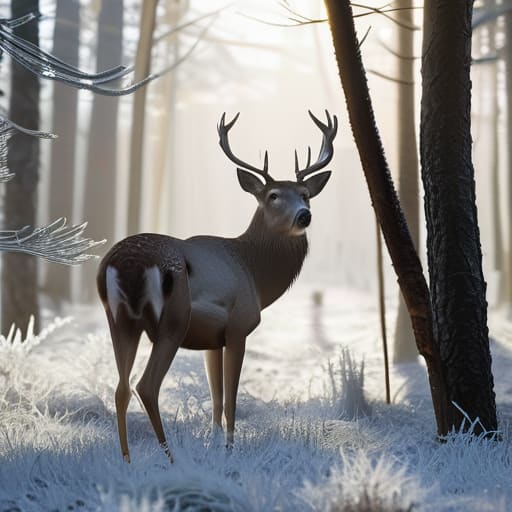
When the temperature drops, the energy economy of every living thing changes. You aren’t just looking for movement; you’re looking for the cost of survival. In mid-winter, animals aren’t wasting calories on displays or territorial skirmishes. Instead, you’ll see a shift in animal behavior in cold weather where movement becomes purposeful and strictly tied to food sources. A bird that usually flits through the canopy might stay hunkered down in a dense thicket to conserve heat, or a deer might move only in short, intense bursts between feeding patches. If you see an animal moving constantly without a clear destination, it’s often a sign of stress or a lack of thermal cover, which tells you exactly where the microclimates are failing.
You also have to account for seasonal animal migration patterns that dictate who is actually on the hill. By January, the resident species are often in a state of semi-dormancy, while the transients have already pushed south. I’ve spent years watching the raptor logs, and the biggest mistake people make is expecting the same variety they saw in July. If you want to see something, you have to learn to read the subtle shifts in landscape use—knowing that a certain valley might hold the last of the berries or that a specific ridge provides the windbreak necessary for a predator to hunt without burning its reserves.
The Best Binoculars for Winter Birding and Staying Warm
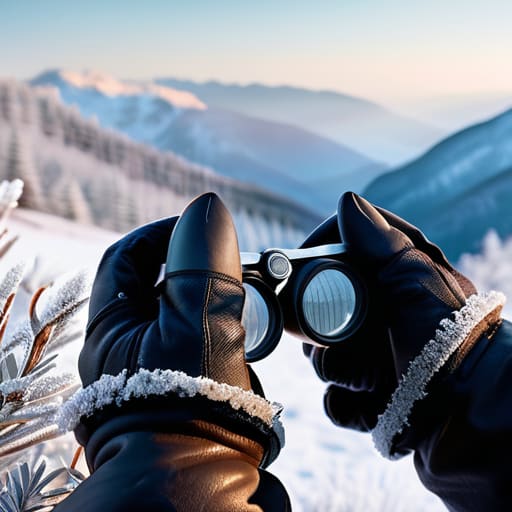
When you’re standing on a ridge in February, your hands are your most important tools, and if they’re shaking from the cold, your glass is useless. I’ve spent the last three winters using the Nikon Monarch M7 8x42s in everything from biting sleet to sub-zero stillness. They weigh about 580g, which doesn’t sound like much until you’ve been carrying them for six hours alongside a heavy pack. The field is crisp, and more importantly, the seals hold up when the condensation starts to build. If you are looking for the best binoculars for winter birding, don’t just look at the magnification; look at the weight and how quickly the focus wheel moves when you’re wearing gloves.
I’ve learned the hard way that cheap rubber coatings can become brittle and crack when the temperature drops suddenly. I once saw a group try to use lightweight, entry-level optics that fogged up the moment they stepped out of a warm van into a frost-heavy morning. It’s a waste of daylight. You need something with nitrogen-purged lenses to prevent that internal fogging. If you can’t see the bird because your own breath has clouded your view, you aren’t observing wildlife—you’re just staring at a blur.
Five ways to stay useful when the temperature drops
- Watch the light, not just the birds. In mid-winter, your window of opportunity is half what it is in July. I’ve seen too many people spend two hours setting up a tripod only to realize they’ve lost the light entirely. If you aren’t seeing movement by 10:00 AM, you need to be moving, because once that sun hits the horizon, the wildlife disappears and the temperature plummets.
- Master the art of the silent approach. Animals are working harder just to keep their core temperature up in January; they don’t have the luxury of wasting energy on a startled flight. I’ve spent years learning that if you’re crunching through frozen heather or snapping twigs, you’ve already lost. Move slow, move on the softest ground you can find, and accept that you might be sitting still for forty minutes before anything happens.
- Pack for the pause, not just the walk. Most people dress for the exertion of the hike, but they forget that wildlife watching involves standing dead still. I’ve used the Rab Neutrino jacket for three seasons now, specifically for these moments—it’s 350g and keeps the heat in when the wind picks up on a ridge, but if you aren’t prepared to stop, you’ll be shivering within ten minutes of spotting a bird.
- Respect the “buffer zone.” In summer, you can get relatively close, but in winter, the margin for error is much smaller. If you see an animal looking at you, you are already too close. I always tell my groups to double their usual distance during the colder months; an animal that burns its fat reserves fleeing a “curious” hiker might not have the energy to survive the next frost.
- Know your “hard stop” time. This is the most important bit of kit you carry. Before you leave the car, decide exactly when you are turning back based on the daylight and your energy levels. I’ve seen plenty of people make the one optimistic decision that ruins a trip—thinking they can squeeze in “just one more” sighting—only to end up navigating a descent in the dark with frozen fingers and failing batteries.
The Cost of an Optimistic Forecast
“The biggest mistake I see isn’t a lack of good binoculars; it’s the person who sees a clear blue sky at 10:00 AM and decides they don’t need to carry the extra thermal layer or the headtorch. In winter, the wildlife doesn’t care if you’re cold, but if you’re shivering and losing light faster than you anticipated, you’ll be too busy managing your own survival to notice a single bird.”
Bridget Halloran
Knowing When to Call It a Day
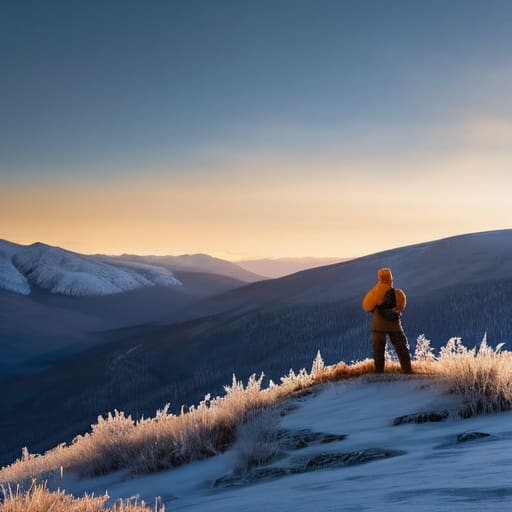
Ultimately, watching wildlife in the winter isn’t about checking boxes on a list; it’s about understanding the delicate balance between your own comfort and the animal’s survival. You’ve got to read the birds, keep your optics frost-free, and—most importantly—respect the daylight. I’ve seen too many people get so caught up in spotting a Golden Eagle that they forget they have exactly forty minutes of usable light left before the temperature hits freezing and the path disappears. If the wind picks up or the clouds drop, the most professional thing you can do is pack your kit and head back to the van. The wildlife isn’t going anywhere, and neither should you if the conditions turn sour.
There is a specific, quiet kind of magic that only happens when the world is stripped back to its bones. When the leaves are gone and the air is sharp, you see the landscape for what it actually is, and the movements of the creatures within it become much more deliberate. It can be lonely and it can be freezing, but if you approach the hills with humility and the right layers, the rewards are immense. Don’t chase the thrill of the sighting at the expense of your safety; the best view is the one you actually live to talk about tomorrow.
Frequently Asked Questions
How do I manage my own body temperature when I'm standing still for long periods waiting for a bird to appear?
Standing still is where the mistakes happen. You stop moving, your heart rate drops, and that microclimate inside your jacket vanishes. I’ve spent four hours waiting on a ridge for a Peregrine, and I’ve learned you can’t rely on one heavy coat. You need active layers. I use a mid-weight synthetic fleece—I’ve worn this specific one through three seasons of damp Scottish winters—because it holds loft even when it’s humid. Add a down vest for the core, and keep your extremities insulated. If you start shivering, you’ve already lost the battle; move or turn back.
What is the best way to approach wildlife in winter without causing them to burn through their precious fat reserves?
You have to remember that for a bird or a small mammal in January, every single flight or panicked dash is a massive metabolic cost they can’t afford. I’ve spent years watching raptors during the lean months; if you spook them, you aren’t just being rude, you’re potentially costing them their survival. Stay downwind, keep your silhouette low, and if you see them stop feeding to look at you, you’re already too close. Turn back.
How do I differentiate between a genuine weather warning and a standard winter forecast when planning a day out?
A standard forecast tells you what the weather might do; a warning tells you what the weather is actually doing to people. I look for the shift from “showers possible” to specific terminology like “wind gusts exceeding 50mph at ridge level” or “rapidly dropping visibility.” If the Met Office moves from a yellow to an amber warning, the margin for error has vanished. That’s when I stop planning routes and start planning exits.