I spent three hours last Tuesday crouched in a sodden patch of heather, shivering in a way that even my three-layer merino base layer couldn’t quite fix, just to catch a glimpse of a Peregrine settling on a ledge. Most people think learning how to start watching wildlife means dropping a month’s wages on a long-lens camera or a high-tech spotting scope that you’ll eventually leave in the cupboard because it’s too heavy to carry. They get caught up in the gear and the “perfect shot,” completely missing the fact that the bird has already moved on because you were too busy fiddling with a tripod.
I’m not here to sell you on a lifestyle of expensive gadgets and pristine photography. My goal is to show you the unvarnished reality of being out in the elements—the patience, the weather, and the quiet observation that actually matters. I’ll tell you which bits of kit are worth the weight in your pack and which ones are just marketing fluff, and I’ll focus on the skills that actually help you see something before the light fails. This isn’t about the hype; it’s about learning to read the landscape so the wildlife actually notices you.
Table of Contents
Essential Bird Watching Gear and the Weight of Reality
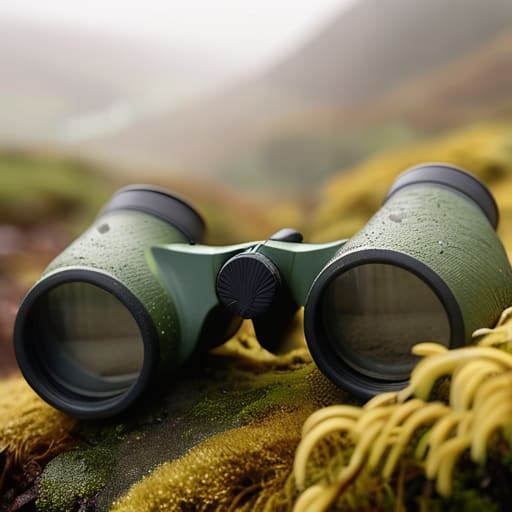
When people ask me about essential bird watching gear, they usually want to know which high-end lens will make them look like a professional. I tell them that unless they can see the bird through a thicket of gorse or a sudden mist, the lens doesn’t matter. For me, it starts with binoculars. I’ve carried the Nikon Monarchs for six years now, through everything from the humid valleys of the Lake District to freezing, wind-scoured ridges. They weigh about 550g, and they’ve survived being dropped in a peat bog twice. If you’re starting out, don’t obsess over magnification; focus on light transmission. If you can’t see anything when the clouds roll in, you’re just carrying expensive glass.
Then there is the weight of everything else. I’ve seen too many beginners pack a heavy tripod and a massive camera bag, only to realize halfway up a climb that they’re too exhausted to actually focus on observing animal behavior. Keep your kit light. A small, lightweight field notebook is more valuable than a fancy camera when you’re trying to map out a nesting site. I’ve used a Rite in the Rain notebook for over a decade; it’s the only thing that survives a true downpour without turning into a pulp.
Best Times for Wildlife Spotting and the Light Factor
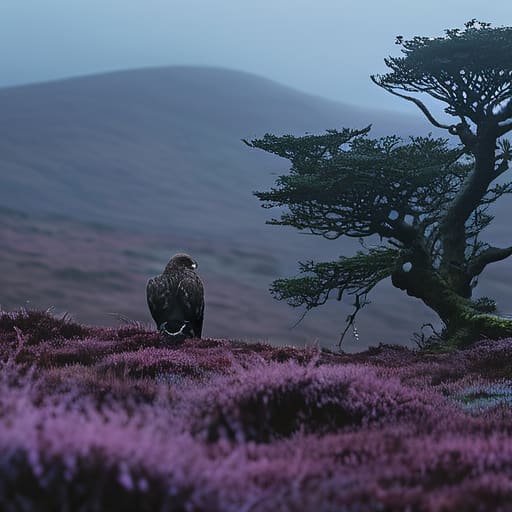
If you’re waiting for a bright, sunny afternoon to head out, you’re going to spend most of your time looking at empty branches. The real work happens in the margins. For me, the most reliable best times for wildlife spotting are those grey, transitional hours—dawn and dusk—when the world is moving but the wind hasn’t quite decided to pick up. I’ve spent countless mornings sitting in damp heather at 5:00 AM, waiting for a buzzard to break cover. It’s cold, it’s uncomfortable, and you’ll likely be shivering, but that is when the animals are actually active and observing animal behavior becomes possible rather than just guesswork.
Light is your greatest asset and your biggest headache. Midday sun creates harsh shadows that make it nearly impossible to see detail in a bird’s plumage or a mammal’s eyes. If you are dipping your toes into wildlife photography for beginners, you’ll quickly learn that flat, overcast light is actually your friend; it softens everything and prevents that blown-out, high-contrast mess. I always tell my groups: don’t chase the sun, chase the light that reveals the shape of the landscape.
Five Things the Manual Won't Tell You
- Learn the terrain before you look for the bird. I’ve spent twenty years seeing people trip over roots because they were staring through a lens at a buzzard. You can’t watch wildlife if you’re nursing a sprained ankle. Know where the steep bits are and where the ground gets boggy before you get distracted by a silhouette.
- Master the art of being boring. If you move with purpose and speed, you’re a predator; if you move with jerky, sudden motions, you’re a threat. The best observers I know are the ones who can sit still for forty minutes without fidgeting. It’s about becoming part of the landscape, not an intruder in it.
- Respect the wind direction. It’s the most underrated tool in your kit. I’ve spent countless hours tracking raptor nests, and if you’re walking into the wind, you’re essentially broadcasting your presence to every sensitive bird in a two-mile radius. Always try to approach from downwind; it’s the difference between a sighting and a silent ridge.
- Don’t trust your eyes; trust your ears. Most people think wildlife watching is a visual pursuit, but by the time you see a deer or a bird of prey, they’ve often already accounted for you. If you learn to identify the specific “alarm call” of a jay or the heavy beat of a wood pigeon, you’ll find the wildlife long before they find you.
- Accept the disappointment. I have kept a log since 2009, and I can tell you that for every hour of spectacular sightings, there are ten hours of staring at grey mist and empty branches. If you go out expecting a highlight reel, you’ll hate it. Go out for the quiet, for the way the light hits the heather, and for the chance that—just once—something might actually appear.
The Cost of Being Prepared
Most people think wildlife watching is about the moment the bird appears, but it’s actually about the three hours you spent sitting in the damp, waiting for it, and whether or not you had the sense to pack a layer that actually works when the wind picks up.
Bridget Halloran
The Reality of the Long Game
At the end of the day, successful wildlife watching isn’t about having the most expensive lens or the most expensive technical shell; it is about the intersection of preparation and patience. You need the right binoculars that won’t fail you when the mist rolls in, an understanding of how light changes the visibility on a ridge, and the sense to know when to turn back before the weather makes observation impossible. Don’t let the gear list intimidate you, but don’t let a lack of it lead you into a situation where you are more focused on your own shivering than the bird in the canopy. If you respect the light, the weight of your pack, and the unpredictability of the terrain, you’ve already done the hard part.
Ultimately, this isn’t a hobby you master through a checklist; it is a way of seeing that develops over years of sitting quietly in the rain. I’ve spent two decades keeping raptor logs, and I can tell you that the most profound moments rarely happen when everything is perfect. They happen in the quiet, overlooked gaps between the big sightings, when you finally learn to read the landscape as well as the animals do. So, get out there, keep your layers accessible, and remember that the best view is usually the one you earned by being prepared for the worst.
Frequently Asked Questions
How do I know if a bird is actually a rare species or just a common one I'm misidentifying in bad light?
It’s the oldest mistake in the book, and usually happens when you’re tired or the light is failing. If you aren’t 100% sure, don’t record it as a rarity. Look for the “non-negotiables”—structural features like beak shape or wing bars—rather than just color, which changes constantly under shifting clouds. If you’re doubting, take a photo, note the exact light conditions, and move on. It’s better to have a blank log than a false one.
Is it better to invest in a heavy, high-magnification spotting scope or a lighter set of binoculars for long ridge walks?
On a long ridge walk, weight is a tax you pay with every step. I’ve carried a heavy spotting scope for three days through the Cairngorms; by the second afternoon, it felt like a lead weight pulling my center of gravity off-balance. If you’re moving constantly, go with high-quality binoculars. I’ve used my 8x42s in everything from driving rain to freezing mist for five years straight. They’re fast, light, and let you react before the bird vanishes.
How much does the wind actually affect my ability to hear or see wildlife in open moorland?
On the moor, wind isn’t just a nuisance; it’s a sensory wall. If you’re running into a headwind, it’ll carry the sound of a curlew’s cry long before you see the bird, but a crosswind can mask everything. More importantly, wind creates noise in your own gear. I’ve spent many afternoons trying to track a kestrel only to realize the “movement” I saw was just my own waterproof jacket flapping. If it’s gusting, stop moving. Wait for the lull.