I was leading a group through a scree slope in the Cairngorms last October when I heard it—the unmistakable, wet thwack of a heavy leather boot sucking itself out of a peat bog. One of my clients was staring down at his feet, looking more defeated than if he’d actually tripped. He’d spent a small fortune on high-tech, stiff-soled boots for a weekend of rolling paths, and now he was fighting his own gear just to stay upright. This is the fundamental problem with most gear advice: it treats footwear like a binary choice between “lightweight” and “heavy-duty,” ignoring the reality of the terrain. When you are trying to figure out how to choose trail shoes versus boots, the marketing brochures won’t tell you that a shoe can become a liability the moment the ground turns to soup, or that a boot can become a literal anchor when you’re just trying to cover twenty miles of dry heather.
I’m not here to sell you on the latest “revolutionary” foam or a brand-new waterproof membrane. My goal is to give you a practical framework based on actual miles logged in the wind, rain, and grit. I will break down the weight, the ankle support, and the specific conditions where one outperforms the other, so you don’t end up making that one optimistic decision that leaves you shivering in a damp sock.
Table of Contents
Stability vs Agility in Hiking Finding Your Middle Ground
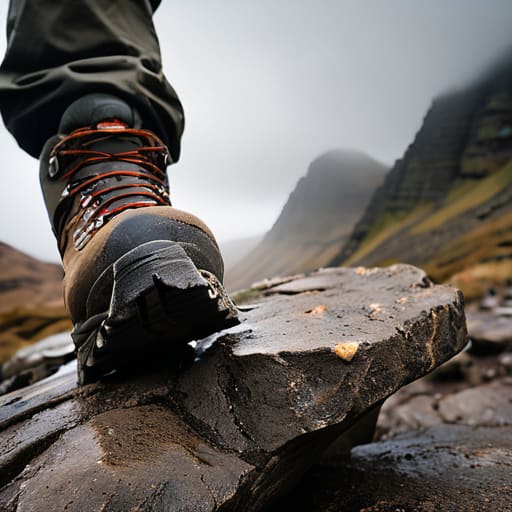
When I’m leading a group through a scree slope or a muddy ascent, I’m watching their feet more than their faces. The debate of stability vs agility in hiking usually boils down to how much you trust your ankles and how much you’re willing to carry. I’ve spent the last three years alternating between low-cut trail shoes and mid-weight boots on multi-day routes in the Lake District. A trail shoe offers a level of ground feel that’s hard to beat when you’re dancing over roots, but that same agility becomes a liability when the terrain turns into a loose, ankle-twisting mess of granite.
If you are looking at footwear for backpacking trips where you’re carrying a 15kg pack, that lack of lateral support is a genuine risk. I’ve seen people push through fatigue in lightweight shoes, only to have a single misstep on a wet rock end the day. On the other hand, a heavy boot provides much-needed protection from debris and rocks, but it can feel like you’re wearing anchors when the path levels out. It’s about finding that balance between being nimble and being secure.
The Breathability of Trail Shoes and the Risk of Damp Feet
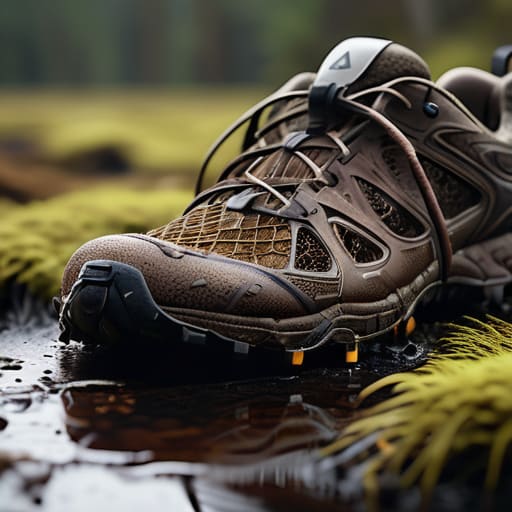
The problem with the breathability of trail shoes is that they work beautifully right up until the moment they don’t. I’ve spent a decade leading groups through varying microclimates, and I’ve seen how a mesh upper can be a godsend on a dry, 20-degree ascent, only to become a liability when the clouds break. I’ve worn a specific pair of lightweight trail runners for three consecutive days in the Cairngorms last autumn; they kept my feet cool while climbing, but once we hit a peat bog, they essentially became waterlogged sponges. In those conditions, you aren’t just walking; you’re carrying the weight of every puddle you’ve stepped in.
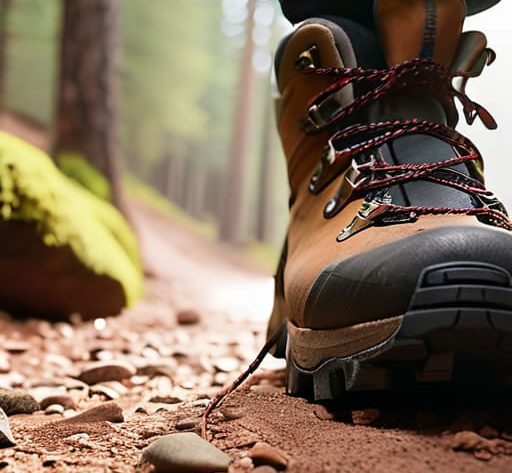
Boots, specifically those with a waterproof membrane, offer a different kind of trade-off. While they provide much better protection from debris and rocks, they can also trap sweat. If you’re doing high-output movement in warm weather, your feet can end up feeling like they’re in a sauna. I’ve found that for multi-day treks where moisture management is as vital as waterproofing, the choice often depends on whether you’re more afraid of external rain or internal perspiration.
Five Hard Lessons from the Ridge

- Look at your terrain, not just your mileage. I’ve spent the last four days in the Cairngorms on scree and peat hags, and while my lightweight trail shoes felt great on the flat, the moment the ground turned uneven and technical, I found myself fighting for every step. If your route is mostly established paths, shoes are fine; if you’re scrambling or navigating loose rock, you need the lateral support a boot provides.
- Respect the “wetness factor” of your local landscape. I’ve worn the same pair of mid-weight leather boots through three seasons of heavy Scottish rain, and while they take longer to dry out, they keep the shock of cold water from hitting my skin. Trail shoes are wonderful for breathability in the summer, but once they’re soaked through, they stay soaked, and that’s a quick way to lose body heat.
- Weight is a deceptive metric. A press release will tell you how much a shoe weighs, but they won’t tell you how heavy your legs feel after six hours of carrying a 10kg pack. I’ve found that the extra 300g of a sturdy boot is a fair trade-off for the stability it offers when you’re fatigued and the daylight is fading.
- Don’t ignore the ankle’s role in fatigue management. I once led a group through a descent in late October where everyone had opted for low-cut trail shoes; by the time we reached the valley, half the group had bruised ankles from micro-adjustments on the uneven terrain. Boots don’t just protect from stubs; they reduce the constant muscular effort required to stabilize your joint.
- Test your kit in the conditions you actually face, not the ones you hope for. I don’t trust a piece of gear until I’ve used it in at least three different weather states. If you’re planning a multi-day trek in unpredictable mountain weather, don’t rely on a “good feeling” from a shop floor—test your footwear on a damp, steep slope before you commit to a long route.
The Cost of Optimism
I’ve seen too many people start a ridge walk in lightweight trail shoes because they felt nimble, only to find themselves shivering in a boggy hollow three hours later when the weather turned and their feet were essentially two cold, sodden sponges. A shoe is a choice for the miles you plan to walk; a boot is a choice for the conditions you’re actually going to encounter.
Bridget Halloran
The Final Decision
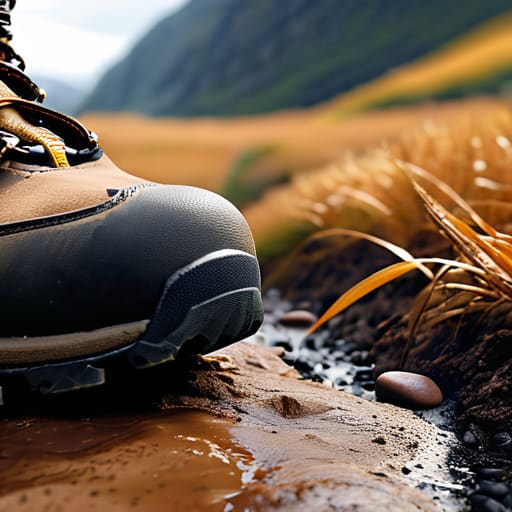
Ultimately, there isn’t a single “correct” answer, only the right tool for the specific terrain and the weather you’re actually facing. If you are planning fast, dry miles on established paths, a lightweight trail shoe will serve you well. However, if your route involves heavy packs, scree slopes, or the high probability of a sudden shift into horizontal rain, that extra ankle support and waterproofing in a boot becomes your primary safety net. I have seen too many people reach for the lighter option because it feels better in the shop, only to find themselves struggling with stability and soaked socks three hours into a descent. Don’t let a single optimistic decision about the forecast dictate your kit; choose based on the worst-case scenario, not the best.
At the end of the day, the gear is just a means to get you to the ridge or the nesting site you’re looking for. Whether you’re laced into a nimble shoe or a heavy-duty boot, the goal remains the same: staying safe, staying dry, and staying out there longer. The mountains don’t care what you’re wearing, but they certainly don’t forgive a lack of preparation. Respect the gap between the sunshine and the storm, pack for the reality of the terrain, and then get out there and enjoy the walk.
Frequently Asked Questions
How do I know if my current ankle strength is enough to switch to trail shoes, or am I just asking for a sprain on a scree slope?
It’s a fair question, and one I’ve seen people get wrong on the scree. If you’re doing single-track paths on stable ground, your ankles are likely fine. But if you’re navigating loose rock or heavy packs, that stability matters. I’ve spent three days at a time on technical terrain in low-cut shoes; if your proprioception isn’t sharp, you’ll feel it the moment the ground shifts. If you can’t balance on one leg on uneven ground, stick to boots.
If I choose lightweight shoes for speed, what specific extra layers or gear do I need to carry to compensate for the lack of protection?
If you’re opting for shoes to shave weight, you’ve traded physical protection for speed, so you have to compensate with your kit. I’ve carried lightweight setups through three-day traverses in the Cairngorms where the wind turned nasty in twenty minutes. You need a high-quality, lightweight hardshell—not a flimsy windbreaker—and a proper emergency bivvy or lightweight shelter. Since your ankles aren’t protected, your layering must be flawless; carry a mid-layer you can get into immediately when the temperature drops.
How do I actually test if a boot is going to give me blisters before I'm ten miles into a ridge walk?
Don’t just walk around your kitchen in them. I’ve spent fifteen years seeing people’s feet fail because they only tested gear on flat pavement. You need to simulate the terrain. Wear your thickest hiking socks—the ones you actually intend to use—and head out on a local trail with some elevation. If you feel a “hot spot” within forty minutes of climbing, that’s not a broken-in boot; that’s a future blister.