I’ve lost count of how many times I’ve seen someone standing at a trailhead, looking perfectly geared up in brand-new, high-tech layers, only to start limping before they’ve even cleared the first valley. They’ve spent a fortune on the latest lightweight fabrics, but they have no idea how to choose a rucksack that actually works with their anatomy rather than against it. Most of the marketing out there wants you to believe that more attachment points, more zippers, and a higher price tag equal a better trip. That is a lie. A pack that looks incredible in a glossy catalogue can become a punishing, heavy weight that ruins your posture and your morale the second you hit a steep ascent in the rain.
I am not here to sell you on the latest trends or repeat a manufacturer’s spec sheet back to you. Instead, I’m going to talk about the reality of load transfer, hip belt stability, and why that extra liter of capacity might actually be your worst enemy. I’ll tell you exactly what I look for based on twenty-two years of carrying gear through horizontal rain and scree slopes. If I haven’t personally put a bag through its paces in the mountains, I won’t tell you to buy it.
Table of Contents
Daypack vs Trekking Pack Deciding What You Actually Need
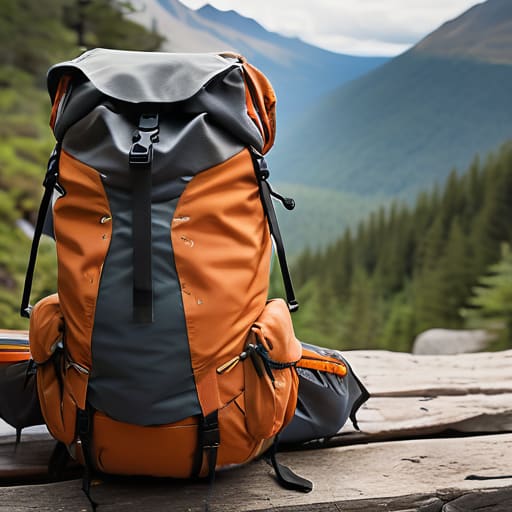
The distinction between a daypack and a trekking pack isn’t just about size; it’s about the fundamental physics of how you move. I’ve seen too many people try to squeeze a three-day kit into a 20-litre daypack, only to find themselves struggling with a pack that sits too high and wobbles with every step. A daypack is for those shorter, punchier routes—the kind where you’re carrying a shell, some lunch, and a flask. If you stay on the lower slopes and head home by tea time, a small, lightweight pack is fine. But the moment you start planning overnight stays or carrying heavy layers and food, you need to move into the territory of a proper trekking pack.
When you scale up, you aren’t just buying more space; you are investing in weight distribution systems. A larger pack needs to transfer the load from your shoulders to your hips, or you’ll be feeling it in your lower back before you’ve even reached the first ridge. I’ve spent twenty years hauling gear through rain and grit, and I can tell you that proper rucksack hip belt adjustment is the difference between a successful summit and a miserable, aching descent.
Rucksack Volume Liters and the Myth of More Space
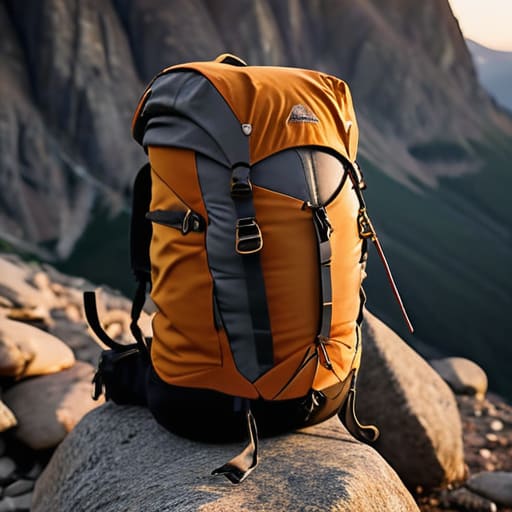
There is a persistent, dangerous temptation to buy the biggest bag you can afford under the assumption that “more space” equals “more prepared.” I see it every season: people turning up for a two-day stint with a 70-liter behemoth, only to realize they’ve packed half their house and half their mobility. The reality of rucksack volume liters is that every extra liter you don’t need is just more dead weight inviting a mistake. I’ve spent fifteen years on multi-day routes where the difference between a successful summit and a miserable, shivering descent was whether my pack was streamlined or overstuffed.
When you go too big, you lose control over your center of gravity. Even the most sophisticated weight distribution systems can’t compensate for a bag that is physically too large for your frame, causing the load to pull you backward on steep ascents or pitch you forward on descents. If you are aiming for a weekend trip, a 40 to 50-liter pack is usually the sweet spot. It forces you to be disciplined about what you actually carry, rather than letting you indulge in “just in case” items that end up being nothing more than unnecessary ballast.
Five things that actually matter when you're three hours into a descent
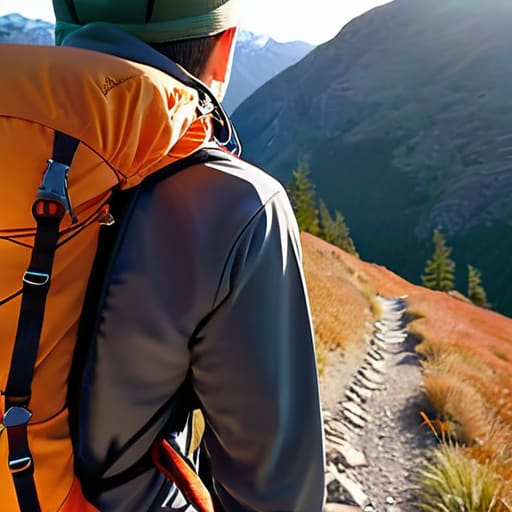
- The harness is everything. I’ve spent ten years carrying varying loads, and I’ve learned that a pack that feels fine in the shop will feel like a torture device once your shoulders are damp and your core is tired. If the hip belt doesn’t sit firmly on your iliac crest—not your waist, your hips—the weight will migrate to your shoulders, and that’s when your posture breaks and your pace drops.
- Don’t trust the weight on the spec sheet alone. A 1.2kg pack might look great on paper, but if the load transfer is rubbish, that weight feels like three. I’ve used the Osprey Talon series for about four seasons now, mostly on fast scrambles in windy, wet conditions in the Lake District; they move well with you, but if you try to stuff them with a heavy winter kit, the suspension will bottom out and you’ll feel every gram in your lower back.
- Check the access points. There is nothing more frustrating than being caught in a sudden downpour—the kind that comes out of nowhere on a ridge—and having to dig through every single layer of your kit just to find your waterproof shell. Look for packs with side zip access or a dedicated bottom compartment; I need to be able to grab my mid-layer without dumping my entire contents onto a muddy slope.
- Test the ventilation, but be realistic about it. Everyone wants that “suspended mesh” back panel to keep the sweat off, and I’ve used several models of those over the last three years during summer treks in the Brecon Beacons. They work, but they add bulk and can catch on heather. If you’re going to be moving fast in heat, it’s worth the extra weight; if you’re mostly moving in the damp and cold, a closer-to-the-back fit is often more stable.
- Look at the attachment points for your specific kit. If you always carry trekking poles or an ice axe, don’t buy a pack that treats those features as an afterthought. I once led a group where half the party had packs with flimsy tool loops that snapped when the wind picked up; it’s a small detail, but when you’re navigating technical terrain in low visibility, you need to know your gear isn’t going to dangle or snag.
The Cost of a Bad Fit
I’ve spent more time helping exhausted, shivering people pick up gear they dropped because their pack was shifting mid-stride than I care to admit. A rucksack isn’t just a container; it’s a part of your body, and if the suspension doesn’t transfer that weight to your hips properly, you aren’t just carrying a load—you’re carrying a mistake that will haunt you by the time you hit the descent.
Bridget Halloran
The Final Weight
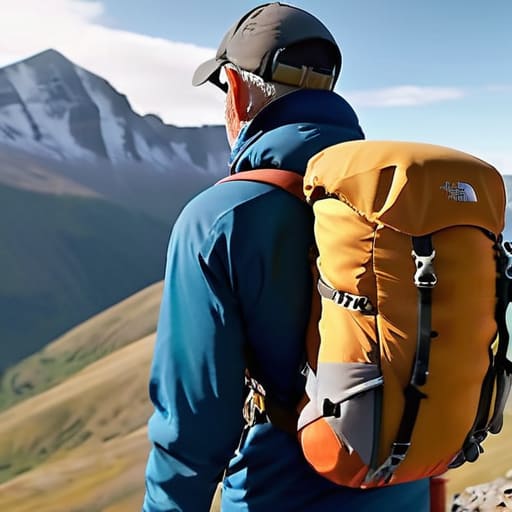
At the end of the day, choosing a rucksack isn’t about finding the one with the most features or the most impressive marketing jargon; it’s about understanding the specific demands of your intended route. You need to balance the volume required for your kit against the physical reality of how much weight your body can actually carry comfortably over ten hours of walking. Whether you are opting for a streamlined daypack for a quick ridge scramble or a heavy-duty trekking pack for a multi-day traverse, remember that fit is non-negotiable. If the hip belt doesn’t sit right or the load distribution feels off, that discomfort will turn into a genuine safety issue once the wind picks up and the temperature drops. Don’t let a poorly chosen pack dictate the limits of your journey.
Once you have found that right balance of weight, volume, and suspension, stop worrying about the gear and start looking at the horizon. A good rucksack should eventually become a part of you—something so reliable and well-fitted that you forget it’s even there, allowing you to focus on the things that actually matter, like the sudden appearance of a peregrine falcon or the way the light hits the scree slope at dusk. The gear is just the vessel that gets you there safely. The mountains don’t care what brand is on your back, they only care that you are prepared for the reality of the terrain. Get the kit right, respect the weather, and then just get walking.
Frequently Asked Questions
How do I know if the hip belt actually transfers the weight to my pelvis or if it's just going to dig into my sides after six hours?
If the weight is sitting on your shoulders, you’ve already lost the battle. When you pack it, tighten the hip belt so the padded part sits directly on the iliac crest—the top of your hip bones. I’ve worn the Osprey Stratos 34 for five years in everything from summer heat to sleet, and if that belt isn’t anchored there, it’ll just migrate and chafe. If you feel it digging into your soft tissue rather than resting on the bone, the fit is wrong.
Is it worth paying the extra money for a waterproof rucksack, or should I just invest in better dry bags for the inside?
I’ve spent twenty-two years getting soaked, and I’ll tell you this: a waterproof rucksack is a luxury, not a necessity. I’ve used the Osprey Talon series for five years in everything from mist to driving rain, and while the fabric is decent, it eventually breathes through. Save your money. Invest in high-quality, lightweight dry bags for the inside. It’s more reliable, and it means if you do a spill, your sleeping bag stays dry.
How do I figure out the right fit for my torso length without feeling like I'm being measured for a bespoke suit?
You don’t need a tailor, just a piece of string and a bit of honesty. Find your C7 vertebra—that bony bump at the base of your neck—and measure down to your iliac crest, the top of your hip bones. I’ve measured myself in drafty tent vestibles and rain-soaked car parks; it’s never perfect, but it’s close enough. If the hip belt sits on your waist instead of your hips, your shoulders will pay the price by midday.