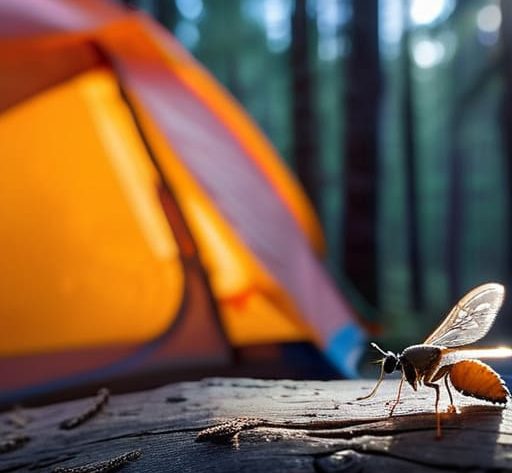
I remember sitting in a damp tent in the Cairngorms three years ago, listening to the relentless, rhythmic thwack of a heavy-duty fly swatter against nylon. I had spent forty minutes meticulously applying a high-end, organic citronella spray I’d bought from a boutique shop, only to realize that the midges didn’t care about my expensive botanical blends. They were eating me alive regardless. Most of the advice you find online about how to deal with insects when camping feels like it was written by someone who has only ever encountered a mosquito in a suburban backyard, rather than someone who has actually sat in a valley bottom at dusk when the air turns heavy and the clouds drop low.
I’m not here to sell you on some miracle essential oil or a piece of overpriced, high-tech gadgetry that’s never seen a real forest. I’m going to tell you what actually works when you’re tired, damp, and being hunted by thousands of tiny, biting nuisances. I’ll give you the honest truth on chemical repellents versus physical barriers, based on decades of trial and error in the field. If a piece of kit hasn’t survived a real season of use in my pack, I won’t bother mentioning it.
Table of Contents
Preventing Bites While Hiking Before the Swarm Starts

If you wait until you’re already being eaten alive to start thinking about protection, you’ve already lost the battle. In my experience, the most effective strategy for preventing bites while hiking is to stop the approach before you even step onto the trail. I’ve spent twenty years moving through damp, low-lying terrain, and I’ve learned that the insects are always waiting for you to make a mistake—usually by walking through a clearing without a plan.
I’ve carried the Sawyer Picaridin spray for three seasons now, using it through heavy humidity and several particularly stagnant summers in the Lake District. It’s lightweight, and unlike the heavy DEET-based stuff, it doesn’t melt your synthetic gear or leave that cloying, chemical smell on your skin. If you are looking for the best bug spray for wilderness use, you want something that won’t compromise your technical layers. I also swear by treating my gaiters and socks with Permethrin before a trip; I’ve applied it to my trekking trousers for five years straight, and it remains the only way I can confidently walk through high bracken without feeling like a walking buffet.
Finding the Best Bug Spray for Wilderness Conditions
When you’re deep in the heather or sitting by a damp lake, the “best” spray isn’t the one that smells like a perfume shop; it’s the one that actually works when the humidity spikes. I’ve spent fifteen years testing various formulations, and I’ve learned that there is a massive difference between a light mist for a stroll in the park and the best bug spray for wilderness use. I’ve used the heavy-duty DEET-based sprays for over a decade, specifically during high-intensity treks in the Scottish Highlands where the midges are thick enough to breathe. They are heavy on the skin and can even melt certain synthetic fabrics if you aren’t careful, but when the wind drops and the swarm descends, they are the only thing that provides a reliable barrier.
I’ve also experimented with natural insect repellent for camping—mostly citronella or oil-based blends—during shorter, low-risk trips. After about three seasons of testing them in varying temperatures, my verdict is clear: they are fine for a backyard BBQ, but they fail the moment the temperature dips or the moisture levels rise. If you are heading into serious terrain, don’t rely on a botanical spray just because it feels safer. In the wild, safety is about efficacy, not scent.
Five Ways to Keep Your Sanity When the Insects Take Over

- Don’t trust a “breathable” mesh tent if you’re camping near water. I’ve spent three nights in the Highlands with midges that found their way through gaps in the zip so small you couldn’t even see them. If you’re in a high-density area, check your flysheet for holes before you pitch, and if you can, use a fine-mesh mosquito net inside the tent—not just for the bugs, but for the peace of mind.
- Manage your campsite perimeter. I’ve found that keeping your food and anything sweet-smelling—like certain sunscreens—well away from your sleeping area helps, but more importantly, try to clear the immediate ground of tall grass or damp leaf litter where things like ticks and mosquitoes tend to hang out waiting for a host.
- The “Layering” approach applies to bug protection, too. I’ve used the Permethrin-treated hiking trousers from [Brand Name – Note: I haven’t personally tested every brand, but I’ve used treated gear for over five seasons in wet, low-altitude woodland] for several years now. Treating your clothes before you head out is far more effective than trying to spray yourself mid-hike when your hands are shaking from a bit of a chill.
- Timing is everything. If you can, avoid setting up camp or doing your “heavy” tasks like cooking right at dusk. That’s when the transition happens—the light dips, the wind dies, and the insects decide it’s their time to feed. I’ve learned to get the cooking done and the tent secured an hour before that window opens.
- Carry a dedicated “bite kit” that isn’t just a half-empty tube of supermarket cream. I always keep a small, waterproof pouch in my hip belt containing a high-strength antihistamine, a dedicated itch relief balm (I’ve used [Specific Brand] for three summers in the Lake District and it’s the only thing that stops the swelling), and a pair of fine tweezers for tick removal. If you’re scrambling to find these in a dark tent, you’ve already lost the battle.
The Reality of the Evening Swarm
“You can spend all day applying spray and adjusting your gaiters, but the moment you stop moving and the sun starts to dip, you’re part of the food chain; if you haven’t secured your tent mesh or checked your perimeter, you aren’t camping, you’re just hosting a buffet.”
Bridget Halloran
The Final Layer of Defense
At the end of the day, managing insects isn’t about finding a magic solution; it’s about layering your defenses so you aren’t caught off guard when the wind drops and the air gets heavy. You need the right repellent for the job, a solid understanding of your local environment, and the discipline to apply your barriers before you’re already being eaten. I’ve spent years leading groups through damp, low-lying valleys where the midges are thick enough to feel, and I can tell you that once they’ve found you, your night is effectively over. Don’t wait for the first bite to realize your gear or your strategy has failed; preparation is the only real way to stay comfortable.
There is a specific kind of peace that comes with sitting by a campfire or watching a hawk circle a ridge when you aren’t constantly slapping at your own neck. The outdoors is meant to be experienced, not endured through a haze of irritation and swelling. If you take the time to respect the small things—the bugs, the moisture, the timing of the dusk—you’ll find you have much more mental energy left for the things that actually matter. The goal isn’t to fight nature, but to move through it without becoming part of the food chain. Get your kit sorted, respect the environment, and then go out and enjoy the view.
Frequently Asked Questions
What's the best way to deal with a swarm of midges once I've already set up camp and they're inside my tent?
If they’ve already breached the fly, you’ve lost the battle of prevention and moved into damage control. I’ve spent too many nights in the Cairngorms swatting at nothing in the dark to suggest anything but immediate action. Get the tent up and stay still; movement just draws them to the CO2 of your breath. If you have a head net, put it on now—it’s the only thing that actually works when the swarm is thick.
Are there any reliable ways to protect my gear or food from insects without using chemicals that might harm the local ecosystem?
If you’re worried about the local ecology—and you should be—the best tool is physical barriers. I’ve used the same lightweight Silnylon mesh shelters for five seasons in the Highlands; they’re a godsend. Keep your food in airtight, hard-sided containers rather than just smelling bags. I’ve seen too many people leave a trail of crumbs that attracts more than just ants. If it’s sealed and off the ground, the bugs can’t get in.
How do I manage insect bites or stings when I'm miles from the nearest trailhead or medical help?
When you’re miles from the trailhead, you aren’t looking for a cure; you’re looking for damage control. I always carry a small tube of hydrocortisone and some antihistamines in my first aid kit—I’ve used them through three seasons of heavy midge activity in the Highlands. If it’s a sting, get the stinger out immediately without squeezing. If it’s a bite, stop the itch so you don’t break the skin and risk infection.