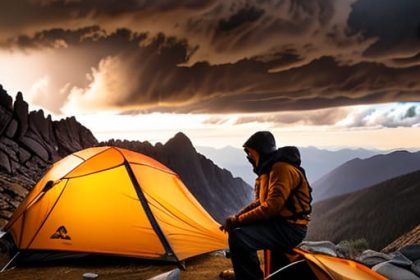
I remember sitting in a bivvy bag three years ago on a ridge in the Cairngorms, listening to the wind try to peel the flysheet right off my face. It wasn’t the dramatic, cinematic snowstorm you see in gear adverts; it was just a steady, relentless freezing drizzle that turned my boots into ice blocks and made me question every single life choice I’d made that morning. Most people think learning how to camp in winter is about buying the most expensive, high-tech shell money can buy, but they’re wrong. It isn’t about the gear you own; it’s about the decisions you make three hours before the temperature drops and the light fails.
I’m not here to sell you on a lifestyle or repeat a marketing brochure. I’m going to tell you the truth about what actually works when you’re shivering in a tent at 2:00 AM. We’ll talk about real layering, why your sleeping mat rating might be a lie, and how to recognize the exact moment you need to turn back. This is the unvarnished reality of winter camping, based on twenty-two years of getting it right and, occasionally, getting it very wrong.
Table of Contents
The Real Winter Camping Gear Checklist
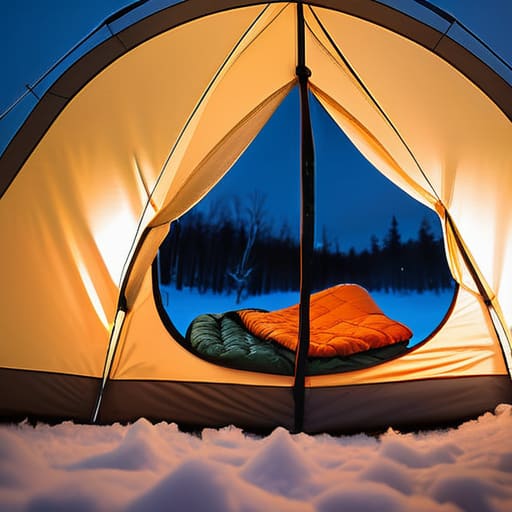
When I’m putting together a winter camping gear checklist, I don’t look at what the marketing brochures say; I look at what actually stays dry when the temperature drops to -10°C and the wind is scouring the ridge. For me, the foundation is always the sleep system. I’ve used the Therm-a-Rest NeoAir XTherm for four seasons now, through heavy snow and frozen peat, and it’s the only reason I’m not shivering at 3:00 AM. You cannot skip the math on R-values; you need high-quality insulated sleeping pads for snow to create a barrier between your body heat and the ground, which will otherwise suck the life out of you in minutes.
Beyond the sleeping bag, your clothing strategy dictates whether you spend the night managing moisture or fighting it. I’ve spent twenty years watching people ruin a trip by sweating through a heavy fleece during the ascent. Effective layering clothing for extreme cold means using thin, moisture-wicking synthetics or merino wool that you can shed the moment your heart rate climbs. If you arrive at the tent soaked, you’ve already lost the battle.
Setting Up a Tent on Snow Without Losing Sleep
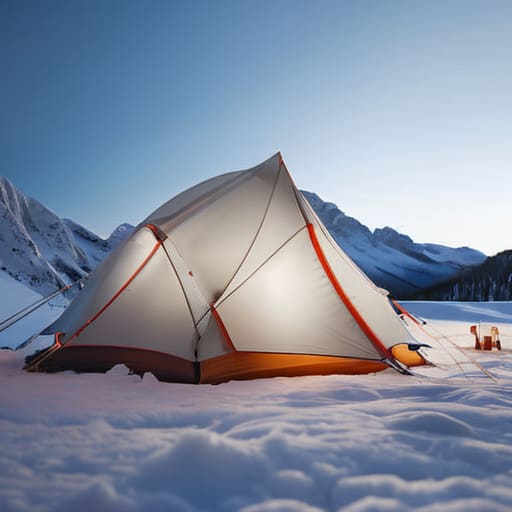
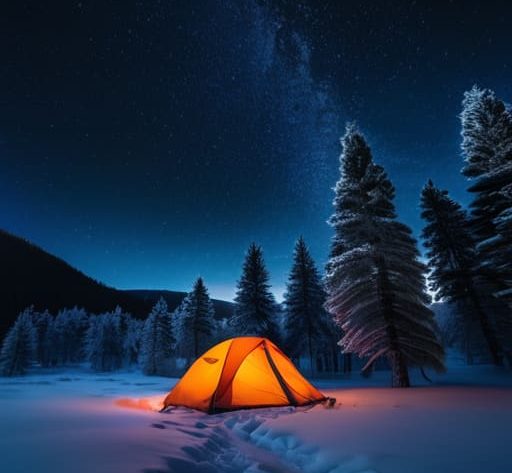
The biggest mistake people make is treating a snow site like a summer campsite. If you just pitch your tent on top of the powder, you’re going to wake up at 3:00 AM feeling like you’re lying on a block of ice. You need to dig. I’ve spent the last four winters clearing a flat platform down to the harder, more consolidated snow layer. It’s more work upfront, but setting up a tent on snow correctly means you aren’t fighting a sloping floor all night. Once you’ve cleared the site, use your skis or snow stakes—never just pegs—to anchor the guy lines. Standard pegs are useless here; they’ll pull through the snow like a knife through butter the second the wind picks up.
Once the shell is up, focus on the floor. Your priority is creating a thermal break between you and the ground. I’ve used the Therm-a-Rest NeoAir XTherm for three seasons now, mostly in sub-zero conditions on hard-packed windrows, and it’s the only reason I’m not shivering by midnight. You must use insulated sleeping pads for snow—and I mean more than one if you’re a cold sleeper. Don’t rely on just one R-value; stack a closed-cell foam pad underneath your inflatable one. It provides that extra bit of structural stability and prevents the air inside your main pad from cooling down too fast.
Five things that actually matter when the temperature drops
- Manage your moisture before it becomes a problem. I’ve spent more nights shivering in a damp sleeping bag because I didn’t realize my sweat-soaked base layers were turning into an ice block than I care to admit. Change into dry clothes the second you stop moving for the night; if you try to do it while you’re still panting and sweating, you’re just inviting condensation into your kit.
- Don’t trust a “sunny” forecast at the trailhead. I’ve seen clear blue skies in the valley turn into a whiteout on the ridge in under twenty minutes. When you’re planning your camp, look at the wind speeds at altitude, not just the temperature. A ten-degree drop means nothing compared to a twenty-knot gust hitting your tent wall all night.
- Insulation is a math problem, not a feeling. You need a sleeping pad with a high R-value—I personally use the Therm-a-Rest NeoAir XTherm, which I’ve used for three seasons in sub-zero conditions, and it’s the only reason I don’t wake up with my hips freezing against the ground. If your R-value is too low, no amount of high-end down in your sleeping bag will save you from the ground sucking the heat right out of your body.
- Calorie intake is your internal furnace. You burn significantly more energy just trying to maintain core temperature in the cold. I always pack an extra 500 calories of high-fat food—think nuts or chocolate—specifically for right before I crawl into the bag. It’s not about hunger; it’s about giving your metabolism something to work with while you sleep.
- Learn the art of the “tactical retreat.” The most important skill in winter camping isn’t pitching a tent in a gale; it’s knowing when the conditions have moved from “challenging” to “dangerous.” If the wind is ramping up and your visibility is dropping, don’t be the person who stays because they’ve already invested the effort. I’ve turned back on well-marked routes at 2:00 PM because the clouds looked wrong, and I’ve never regretted it once.
The Cost of Optimism
I’ve seen more people shivering in a bivvy bag at 3:00 AM because they thought they could “push through” a storm than I have seen people actually injured by technical climbing mistakes; in winter, your greatest enemy isn’t the temperature, it’s the decision to ignore a turning weather front because you’re halfway to the summit and don’t want to admit you’ve misread the day.
Bridget Halloran
The Final Decision
At the end of the day, winter camping isn’t about having the most expensive titanium stove or the highest-rated down sleeping bag; it is about the discipline of preparation. You need to have your layers sorted before the temperature drops, your tent pitched with a clear understanding of the wind direction, and your food choices weighted for calorie density rather than taste. I have spent twenty-two years watching people underestimate the sheer speed at which a ridge can turn hostile. If you manage your moisture, respect your fuel limits, and never ignore a darkening sky, you will find that the technicalities of the gear become second nature. It is the boring, repetitive checks—the ones you do when you are tired and cold—that actually make the trip possible.
There is a specific kind of silence that only exists in the mountains after a heavy snowfall, a stillness that most people will never experience. It is a heavy, profound quiet that makes the effort of hauling a heavy pack through knee-deep drifts feel entirely justified. When you get it right, when you are warm in your bag while the wind howls against the flysheet, you aren’t just surviving the elements; you are part of them. Just remember that the mountains don’t care about your itinerary or your ego. Respect the cold, watch the daylight, and you will find that the most difficult conditions often yield the most rewarding views.
Frequently Asked Questions
How do I know if the snow depth is safe enough to pitch my tent, or if I’m actually digging into a frozen peat layer that’ll soak my gear by midnight?
You need to probe first. Don’t just trust your eyes; snow can be a deceptive crust over a hollow or, worse, a thin dusting over saturated peat. Use your trekking pole to test the depth and consistency. If you hit something that feels springy but then suddenly gives way to something mushy or solid, you’re likely on peat. I’ve spent twelve years testing ground conditions, and if you can’t find a solid snow base, don’t bother digging. Find a higher, drier spot or prepare for a very damp night.
What’s the actual difference between a 'winter' sleeping bag and a standard four-season one when the temperature drops below zero with a steady wind?
The difference isn’t just a number on a tag; it’s about how the bag handles moisture and wind. A standard four-season bag is built for cold, but a true winter bag is designed for the damp, heavy breath and sweat that turns into ice inside your insulation. I’ve used my heavy-duty down bag through three seasons of sub-zero nights in the Cairngorms, and the difference is the loft. If the wind is steady, a standard bag will lose its heat the moment the loft compresses.
At what point in the evening does the decision to turn back become mandatory rather than just a suggestion, especially if the light is failing?
The moment you stop looking at the map and start looking at your watch with a sense of dread, you’ve gone too far. If you’re losing light and still haven’t found a viable site, the decision is already made. Don’t wait for darkness to turn a navigation task into a survival task. I’ve seen too many people try to “push through” the twilight, only to end up pitching a tent on a slope they can’t see.