I remember a week in the Cairngorms back in 2014, caught in a three-day stint of relentless, horizontal sleet that turned everything into a grey, sodden mess. By day four, I wasn’t thinking about the majesty of the landscape or the rare sightings in my log; I was just trying to figure out how to keep clean while camping without losing my mind or my body heat. Most of the “outdoor hygiene” advice you see online involves a ridiculous array of specialized biodegradable soaps and fancy portable showers that are essentially just unnecessary weight in your pack. When you’re shivering in a damp tent at 4:00 PM because the light has already died, a ten-step skincare routine is about as useful as a chocolate teapot.
I’m not here to sell you on a lifestyle brand or a list of overpriced gadgets. I’m going to tell you how I actually manage it when the water is freezing, the wind is howling, and you only have one spare pair of dry socks. We’ll talk about the specific, lightweight items I’ve used for over a decade in real-world conditions, and more importantly, when to stop trying to be clean and just focus on staying warm.
Table of Contents
Managing the Mess With Outdoor Body Wipes and Hand Sanitizer
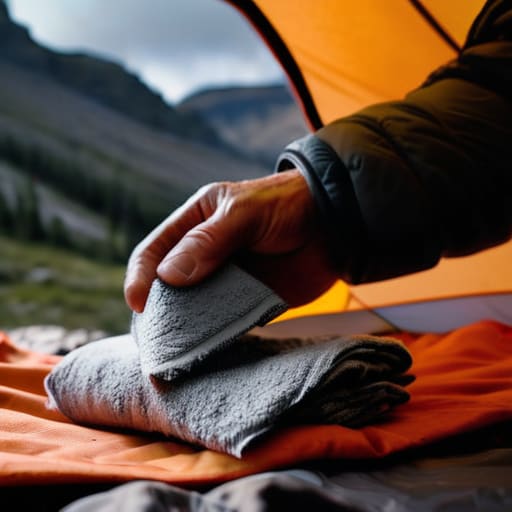
When you’re three days into a ridge walk and the wind is gusting at forty knots, the idea of a proper wash is laughable. I’ve spent more nights than I can count shivering in a tent, realizing that a full wash isn’t just difficult—it’s a recipe for hypothermia if you don’t dry off perfectly. This is where my camping hygiene kit essentials come in. I carry a specific pack of heavy-duty outdoor body wipes that I’ve used on every multi-day trek since 2018, even through the wettest autumns in the Lakes. They aren’t a substitute for a shower, but they manage the grit and salt that starts to itch under your base layers.
For everything else, I rely on a small, high-alcohol portable hand sanitizer. I’ve used this specific brand for four seasons straight; it doesn’t leave my skin feeling like parchment, which matters when you’re trying to prep food with freezing fingers. The key is minimizing water waste while camping by using these tools first. If you’re using soap, make sure it is truly biodegradable camping soap, and even then, keep it at least seventy meters from any water source. It’s about being efficient without leaving a mark on the landscape.
The Weight and Worth of Your Camping Hygiene Kit Essentials
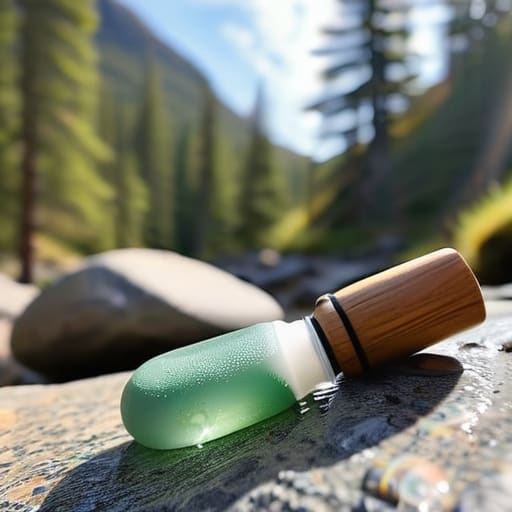
When you’re three days into a trek and the wind is picking up, every extra gram in your pack starts to feel like a kilogram. I’ve spent years refining my own camping hygiene kit essentials, and the rule is simple: if it doesn’t serve a dual purpose or solve a specific discomfort, it stays home. For instance, I’ve carried the Dr. Bronner’s peppermint liquid soap in a 60ml dropper bottle for at least five seasons now, using it in everything from freezing mountain streams to lukewarm tent basins. It’s a tiny weight, but it’s versatile enough for skin, dishes, or even a quick rinse if you’re careful.
The real trick is minimizing water waste while camping without making yourself feel like a walking petri dish. I don’t bother with a full camp shower setup unless I’m stationary for more than a week; it’s too much gear and too much heavy lifting for a moving group. Instead, I rely on a single, high-quality bar of soap in a reusable case. It’s lighter than liquid, won’t leak in my kit, and works just as well when you’re working with minimal water.
The Practicalities: Five Ways to Avoid Feeling Like a Walking Mudbank
- Respect the water source. I’ve spent years managing footpaths where people think a stream is a private shower, but if you’re washing your face or your dishes, you do it at least 30 metres away from the bank. Use a collapsible bucket if you have one. It keeps the silt out of your eyes and ensures you aren’t leaching soap or skin oils directly into the habitat where the local wildlife—and the next hiker—needs to drink.
- The “Dry Wash” method for feet. I’ve spent twenty-two years watching people’s feet suffer because they try to scrub them clean with wet wipes at the end of a long day, which just creates a damp, macerated mess inside the boot. Instead, use a clean, dry spare sock to buff away the grit and sweat before you put your sleeping socks on. It keeps the skin integrity intact and prevents that itchy, fungal feeling that sets in after three days of heavy trekking.
- Manage your “micro-climates” inside your kit. Most of the grime you feel isn’t actually dirt; it’s trapped sweat and dead skin cells. I’ve used the same merino base layer for four days straight in damp, 12-degree conditions on the Lake District fells, and the trick isn’t washing the shirt—it’s letting it dry completely overnight. If you sleep in damp clothes, you’re just inviting a layer of salt and bacteria to bake into your skin by morning.
- Don’t skip the small stuff, like fingernails and ears. It sounds obsessive, but when you’re eating trail mix or preparing a dehydrated meal with your hands, grit under the nails is a constant, irritating presence. I always carry a small, lightweight nail file in my first aid kit. It takes ten seconds, but it stops you from feeling like you’re eating sandpaper every time you have a snack.
- Pack out your waste, including the “clean” stuff. I cannot stress this enough. If you use a body wipe, it doesn’t go in the bush. I’ve seen too many beautiful, remote spots ruined by “biodegradable” wipes that actually take years to break down in the cold, damp soil. Every single wipe goes into a dedicated, sealable dry bag in your pack. If you didn’t carry it in, don’t leave it there.
The Cost of Neglect
You can ignore the grit and the grime for the first two days of a trek, but by day four, when the wind is biting and your skin feels like sandpaper, that lack of basic hygiene stops being a nuisance and starts being a distraction you can’t afford when you’re trying to navigate a ridge in fading light.
Bridget Halloran
The Reality of the Trail
At the end of the day, staying clean isn’t about achieving some pristine, spa-like standard; it’s about managing the friction between your body and the environment so you don’t end up sidelined by a skin infection or pure exhaustion. You need to balance the weight of your kit against the reality of your surroundings, whether that means carrying a slightly heavier water bladder for rinsing or relying on the small, efficient wipes I mentioned earlier. It comes down to a few sensible decisions made before you even leave the trailhead: packing the right sanitizers, knowing your layering limits, and accepting that a bit of grit is inevitable. If you prepare for the mess, you won’t be fighting it when the temperature drops and the wind picks up.
I’ve spent two decades watching people push themselves too hard, often ignoring the small physical cues that tell them they’re becoming too dirty, too wet, or too uncomfortable to continue safely. Hygiene in the wild is ultimately a form of preventative maintenance for your most important piece of equipment: yourself. Don’t let the pursuit of a perfect, spotless campsite distract you from the real goal, which is staying healthy enough to see the next ridge or the next nesting site. Keep your kit light, your decisions measured, and remember that the most important part of any trek isn’t how clean you look, but how well you’ve prepared to handle the elements when they inevitably change.
Frequently Asked Questions
How do I manage hygiene when I'm on a multi-day trek and don't have access to a reliable water source?
When the water runs out or the stream is too silted to touch, you have to stop thinking about “washing” and start thinking about “managing.” I’ve spent four days on the Pennines with nothing but a liter of water left, and you learn quickly: don’t waste it on your skin. Use your wipes for the heavy lifting, and save whatever precious liquid you have for your mouth and eyes. It’s not glamorous, but it beats a grit-filled infection.
Is there a way to stay clean without carrying a massive amount of extra weight in my pack?
The trick is to stop thinking about “cleaning” and start thinking about “maintenance.” I’ve spent fourteen days straight on the West Highland Way with nothing but a small flask of water and a single microfiber cloth. You don’t need a shower; you need a targeted approach. Focus on the high-friction areas—underarms, feet, and groin—using minimal water. If you manage those, the rest of the grit is just part of the landscape.
How do I balance staying clean with the need to follow "Leave No Trace" principles, especially when it comes to disposing of waste?
Leave No Trace isn’t just a suggestion; it’s the difference between a managed landscape and a trashed one. When it comes to waste, the rule is simple: if you carried it in, you carry it out. That includes everything from used wipes to food scraps. I’ve spent too many seasons repairing footpaths damaged by improper waste disposal. Pack a dedicated, sealable dry bag for your rubbish. It’s a bit of a chore, but it’s non-negotiable.