I once spent a night in the Cairngorms listening to the rhythmic, heavy breathing of a pine marten that had decided my boot bag was a gourmet buffet. I hadn’t even finished my tea before the smell of crushed dried apricots and damp nylon filled the tent. Most people think learning how to store food safely when camping requires a thousand-pound bear canister or a complex system of pulleys and paracord, but that’s just more weight you don’t need. The truth is, most wildlife encounters aren’t some grand cinematic battle; they are just the uncomfortable consequences of one small, optimistic decision to leave a wrapper in a side pocket.
I’m not here to sell you on expensive gadgets or follow a glossy brochure. I’m going to tell you what actually works when you’re tired, cold, and trying to keep your gear from being shredded by something with much sharper teeth than yours. I will give you the honest, unvarnished reality of scent management and storage methods based on twenty-two years of seeing exactly what happens when things go wrong. No hype, no fluff—just the practicalities of keeping your food in its place and your sleep uninterrupted.
Table of Contents
Preventing Bear Encounters Before They Start
Most people think of bear safety as a sudden, panicked moment involving a spray canister, but in my experience, it’s actually about the three hours of planning you did before you even left the trailhead. Preventing bear encounters isn’t about being brave; it’s about being boring and meticulous. If you leave a single smear of peanut butter on a spoon or a wrapper in a side pocket, you aren’t just being messy—you’re inviting a visitor that won’t care about your tent walls. I’ve spent many a night in a damp bivvy listening to something heavy sniffing around the perimeter, and I can tell you, that sound is the result of one person thinking, “It’s just a small bit of rubbish, it’ll be fine.”
When you’re setting up camp, the rule is simple: keep the kitchen, the sleeping area, and the food storage completely separate. If you’re car camping, your cooler management tips should involve locking everything in a hard-sided vehicle, not just a plastic bin. For those of us moving through more remote terrain, investing in high-quality food storage canisters is non-negotiable. I’ve used the BearVault models for six seasons now, mostly in the wet, heavy conditions of the Lake District and the Highlands, and they hold up. They aren’t light, but they provide the peace of mind that comes from knowing your scent trail ends at the canister, not at your sleeping bag.
Backpacking Food Preservation and the Reality of Weight
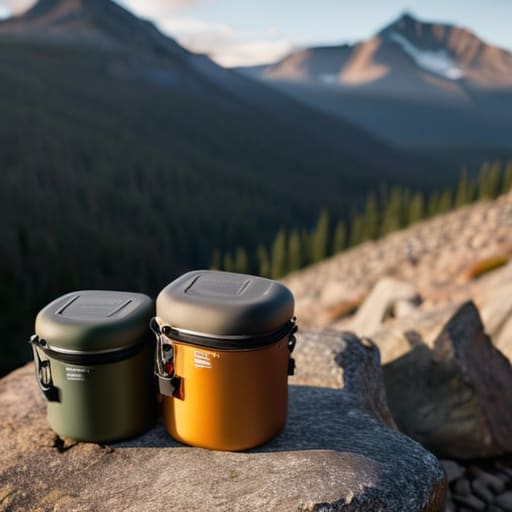
When you’re three days into a ridge walk, every gram feels like a kilogram. I’ve spent the last six years transitioning from heavy, traditional setups to more streamlined systems, and the trade-off is always between convenience and weight. If you are trying to master backpacking food preservation, you have to accept that there is no such thing as a free lunch. You can carry heavy-duty food storage canisters that offer total peace of mind, but your knees will certainly feel the cost on a steep descent. I’ve used the BearVault BV450 for nearly four seasons now, primarily in the Cascades; it’s indestructible and keeps the scent locked tight, but at 450g, it’s a permanent resident in your pack.
If you aren’t carrying a hard canister, you’re looking at bear bags and rope. It sounds simple until you’re standing in a gale at 2,000 meters, trying to throw a bag over a branch that isn’t there. I’ve seen too many people make the mistake of thinking lightweight means easy. It usually just means you have to be more disciplined about how you seal your dry bags and manage your scent.
The Small Mistakes That Turn a Campsite Into a Buffet
- Stop treating your scent-proof bags as magic. I’ve used Ursack Piton bags for three seasons now, mostly in the Cairngorms where the wind doesn’t stop, and while they are excellent for keeping rodents out of your dry food, they aren’t a substitute for distance. If you store your scent-proof bag right next to your sleeping mat, you’re just inviting a curious animal to sleep next to you.
- The “smellable” rule applies to everything, not just the steak. I once saw a group try to be clever by keeping their toothpaste and deodorant in a side pocket of their pack, only to find a very determined badger had shredded their tent looking for that specific minty scent. If it has a smell, it goes in the bear canister or the hanging bag.
- Don’t trust a “low risk” area just because you haven’t seen a predator in twenty minutes. I’ve spent twenty-two years watching how wildlife moves, and they are much better at being invisible than you are at being observant. If the local wildlife is capable of eating a bag of trail mix, they are capable of getting into your camp.
- Managing your wash water is part of food storage. If you’re cleaning your pots right by your tent, you’re essentially broadcasting your location to every scavenger in a five-mile radius. Do your dishes at least fifty yards downwind from where you intend to sleep.
- The most dangerous thing you can carry is optimism about your hanging system. I’ve spent many a damp evening in the Lake District trying to find a branch strong enough to hold a food bag, only to have the whole thing drop into the mud. If you can’t find a branch that’s rock-solid, use a canister or move your camp. A heavy bag hitting the ground at 2:00 AM is a very loud way to end a night.
The Cost of a Single Optimistic Decision
I’ve sat in damp tents at 3:00 AM listening to something heavy breathing just inches away from my head, and I can tell you with absolute certainty: that sound is the direct result of someone deciding that a single, unsealed granola bar wasn’t worth the extra ten grams of a bear canister.
Bridget Halloran
The Cost of a Single Oversight
At the end of the day, food storage isn’t about following a checklist to satisfy a ranger; it’s about managing the predictable reality of being an intruder in someone else’s home. Whether you are opting for the weight penalty of a heavy-duty bear canister or the technical headache of a scent-proof bag, the goal is the same: removing the incentive for a conflict. You have to account for everything—the smear of peanut butter on a wrapper, the scent of a protein bar through a thin nylon tent, and that one optimistic decision to leave a wrapper in a side pocket. If you manage your scent, your weight, and your waste with the same discipline you use to check your topo maps, you’ll find that the wildlife stays exactly where it belongs.
I have spent twenty-two years watching how quickly a quiet evening can turn into a frantic, high-stress situation because of a single misplaced snack. It is much easier to carry an extra few hundred grams of gear than it is to deal with a broken tent or a very frustrated predator at 3:00 AM. Respect the animals by keeping their diet separate from yours, and respect yourself by planning for the worst-case scenario before you even lace up your boots. The mountains are at their best when they remain wild, and they stay wild when we take the responsibility of our own presence seriously.
Frequently Asked Questions
If I'm hiking in an area without bears, is it still worth the extra weight to carry a bear canister or use a scent-proof bag?
If you aren’t in bear country, you aren’t necessarily off the hook. I’ve spent enough nights in the Lake District and the Cairngorms to know that a hungry badger or a determined fox doesn’t care about your lack of grizzly threats; they just care about the smell of your electrolyte powder. I haven’t used scent-proof bags for more than three days at a time, but I’ve seen enough shredded tent flys to know that even a small scavenger can ruin your morning. If you’re in a high-density rodent or small predator area, a lightweight dry bag is a minimal compromise. Don’t let optimism lead you to leave a wrapper in your pocket.
How do I balance the need for heavy-duty waterproof food storage with the reality of keeping my pack weight manageable for a multi-day trek?
I’ve spent fifteen years weighing every gram in my pack, and I’ve learned that “heavy-duty” shouldn’t mean “heavy.” For a three-day trek in the Lakes, I use lightweight, reusable silicone bags rather than bulky hard canisters. I’ve used this specific setup for roughly eighty days in varying wet conditions; they’re waterproof and won’t crack when dropped. If you’re going through bear country, you need the canister, but for everything else, prioritize volume efficiency over brute strength.
What are the actual differences between a hard-sided canister and a hanging bag system when the wind is howling on a ridge?
When the wind is howling on a ridge, the choice is simple: use a canister. I’ve spent fifteen years trying to hang a bag in a gale, and it’s a fool’s errand. You’ll spend an hour fighting a nylon shroud that wants to become a kite, only to realize you’ve forgotten the scent-proof bag inside. A hard-sided canister—I’ve used my BearVault for three seasons in the High Sierra—just sits there. It’s heavy, but it’s predictable.