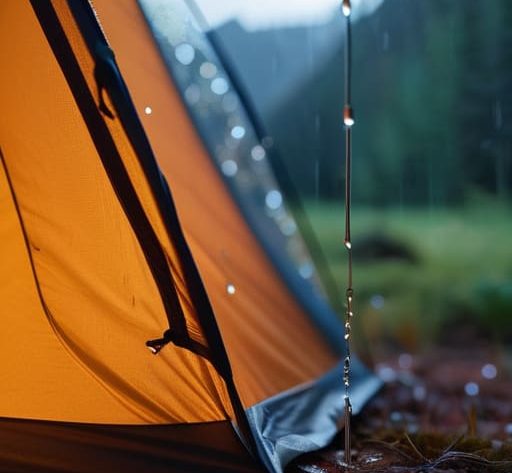
I remember waking up on a ridge in the Cairngorms three years ago, shivering not because of the temperature, but because my sleeping bag felt like a soggy sponge. I had spent the previous evening obsessing over the weight of my gear, yet I’d zipped every single vent shut to keep the wind out, effectively turning my four-season shelter into a glorified sauna. It’s a mistake I’ve seen countless people make, thinking they can outsmart the weather by sealing themselves in. If you are currently searching for how to deal with condensation in a tent, you don’t need a more expensive, high-tech membrane or a fancy chemical spray; you likely just need to understand the physics of your own breath.
I’m not going to sell you on some miracle fabric that promises to stay bone-dry in a monsoon. Instead, I’m going to tell you what actually works when you’re damp, tired, and miles from the nearest road. I’ll be sharing the specific, unfiltered realities of airflow, vent management, and how your choice of sleeping bag liner can either save your night or make it a disaster. This is about the practical, slightly boring mechanics of moisture management that keep you warm when the temperature drops.
Table of Contents
Understanding the Dew Point and Tent Moisture

Most people think condensation is just “wetness,” but it’s actually physics playing a bit of a trick on you. When you’re tucked in your sleeping bag, your body is essentially a small, warm radiator pumping out moisture. If the air inside your tent hits its saturation point, that moisture has nowhere to go. This is where the dew point and tent moisture come into play; once the temperature of your tent walls drops below the temperature at which the air can hold its water, that vapor turns into liquid.
I’ve spent plenty of nights in the Cairngorms where the temperature drop is sudden and brutal. In those conditions, even the most expensive breathable tent fabrics can struggle if you aren’t careful. It isn’t always a failure of the gear; often, it’s just the reality of a warm human body meeting a cold nylon shell. If you’re trying to focus on moisture buildup prevention, you have to stop thinking about the tent as a sealed box and start thinking about it as a living, breathing system that needs to exchange air to stay dry.
Improving Airflow in Camping Tents for Better Sleep
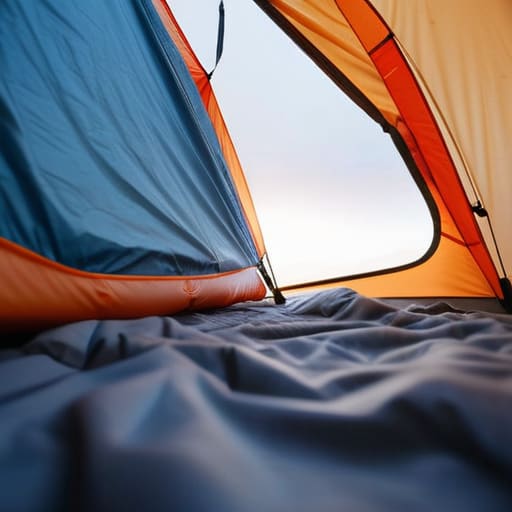
The most common mistake I see when I’m leading groups on multi-day treks is people sealing themselves in like they’re in a vacuum. When the temperature drops, your instinct is to zip every vent shut to keep the heat in, but that is exactly how you end up waking up in a microclimate of your own breath. Improving airflow in camping tents isn’t about making the tent warmer; it’s about giving that moisture somewhere to go before it hits your sleeping bag. I’ve spent many a night in a lightweight single-wall tent where the difference between a dry morning and a sodden one was simply the decision to leave the mesh vents wide open, even when the wind was biting.
If you are using a tent with highly synthetic, non-breathable fabrics, you have to be even more disciplined. I’ve used the MSR Hubba Hubba for about five seasons now, mostly in damp, temperate conditions in the Lake District, and while it’s a solid bit of kit, it still requires active management. You need to create a continuous cycle of air movement. This means ensuring your flysheet isn’t resting directly against the inner mesh and that your vents are clear of any debris or heavy rain-fly overhangs. If you aren’t managing the humidity while camping, you’re just inviting a damp sleep.
Five ways to stop waking up in a sponge

- Manage your breath, not just your gear. I’ve spent countless nights in lightweight trekking tents where the moisture buildup is almost entirely from your own respiration. If you’re sleeping with your nose tucked under a heavy duvet or pulled right up against the inner mesh, you’re essentially breathing directly into the fabric. Keep your face clear of the tent walls; it sounds small, but over an eight-hour sleep, that’s a massive amount of water vapor being deposited right where you lie.
- Don’t be a hero with the vents. I know it’s freezing at 3:00 AM in a high-altitude bivvy, but closing every single vent to “trap the heat” is a rookie mistake that guarantees a wet sleeping bag by morning. I’ve used the Hilleberg Akto for over a decade in various sub-zero conditions, and I’ve learned that leaving the top vents cracked—even when the wind is biting—is the only way to let that humid air escape before it hits the cold flysheet and turns into liquid.
- Watch your “wet” kit placement. If you toss your damp waterproof shell or those sodden hiking socks inside the tent with you, you’ve just added a secondary source of evaporation. I once led a group through a three-day soak in the Cairngorms, and half the group woke up shivering because they’d kept their wet layers inside the inner tent. Keep the wet stuff in the vestibule or, if the weather allows, hanging outside the flysheet.
- Check your pitch for ground moisture. If you’re setting up on boggy ground or heavy moss, that moisture is going to rise straight through your tent floor and into your living space. I always carry a lightweight footprint or a dedicated groundsheet—not just for comfort, but to create a thermal and moisture barrier. I’ve used my current Therm-a-Rest footprint for five seasons on nearly every damp moorland I’ve crossed, and it’s the difference between a dry morning and a damp one.
- Control your cooking habits. If you’re boiling water for tea or a dehydrated meal inside the tent because the wind is too high, you are actively sabotaging your dryness. That steam has nowhere to go but into the fabric. If you have to cook inside, do it with the door wide open for a few minutes afterward to flush the air, but ideally, keep the stove in the vestibule. It’s a small temperature trade-off that pays massive dividends in sleep quality.
The Cost of a Closed Vent
I’ve spent enough nights waking up in a literal puddle to know that a little bit of draft is a fair price to pay for a dry sleeping bag; if you try to seal yourself in to keep the heat in, you’re just building a high-end sauna for your own breath.
Bridget Halloran
Making Peace with the Damp
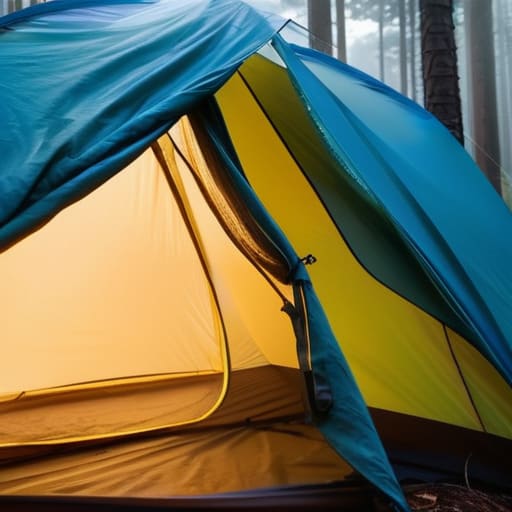
At the end of the day, managing condensation isn’t about achieving a perfectly dry environment—that’s a fantasy once you’ve stepped into a tent. It’s about making sure the moisture stays on the flysheet rather than soaking into your sleeping bag. Remember that it comes down to three practical things: managing your breath through proper ventilation, keeping your wet gear outside the inner mesh, and understanding that your body is a heat engine that produces more moisture than you think. I’ve spent twenty years sleeping in everything from lightweight silnylon bivy bags to heavy canvas tents, and the lesson is always the same: airflow is your best defense against a miserable, damp morning.
There will be nights when the dew point hits perfectly, the wind drops to nothing, and you wake up feeling like you’ve slept in a rainforest. Don’t let it sour the trip. Part of being an experienced hiker is accepting that the mountains are living, breathing systems that don’t care much about our comfort. If you’ve checked your vents and managed your layers, you’ve done the work. Once you dry out, the view from the ridge will be worth the damp socks. Just remember that the most important piece of kit isn’t a high-tech tent, but the ability to make a sensible decision about your setup before the sun goes down.
Frequently Asked Questions
Does using a warmer sleeping bag actually make the condensation problem worse?
It’s a common misconception, but a warmer bag doesn’t create the moisture—it just makes the consequences more obvious. If you’re sleeping in a higher-rated bag, your body is working harder to stay warm, and you’re likely breathing more heavily. That extra warm, moist breath hits the cold tent wall and turns into dew. I’ve spent many nights in a -10°C bag where the condensation was thick because I was essentially breathing into a microclimate.
Can I stop the moisture buildup if I'm camping in a high-humidity area like the Lake District or a coastal valley?
In the Lakes or down a coastal valley, you’re fighting a losing battle against the air itself. When the humidity is that high, the air is already saturated, so your breath and body heat have nowhere to go. I’ve spent many damp mornings in the Western Isles where the “dry” air feels like soup. You can’t stop it entirely, but you can manage it: keep those vents wide open and don’t zip yourself into a sealed cocoon.
Is it better to use a heavy-duty footprint under the tent or will that just trap more moisture underneath me?
I’ve used the same heavy-duty polyethylene footprint for six seasons across everything from dry scree to sodden peat bogs. It’s a trade-off. A footprint stops ground moisture from seeping through your floor, but if you pitch it too large—letting it extend past your tent walls—it acts like a saucer, collecting rain and directing it right under your sleeping mat. Keep it tucked tight under the tent footprint. Better a slightly damp floor than a puddle.