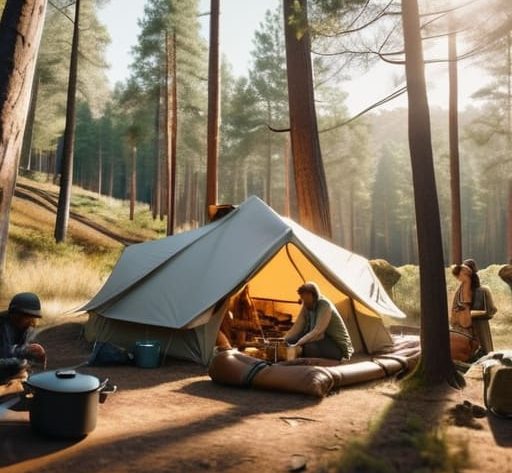
I once spent three hours in a sodden, wind-whipped valley in the Cairngorms trying to mediate a dispute between two grown men over who had forgotten the communal stove and whose tent poles were “unacceptably flimsy.” It wasn’t a dramatic mountain rescue, but watching a perfectly good trip dissolve into bickering and damp sleeping bags because no one had a plan for how to camp in a group was a lesson in itself. Most people think group camping is about the shared laughs around a fire, but in my experience, it’s actually about the logistics of preventing a slow-motion disaster before the sun goes down.
I’m not here to sell you on the latest ultralight titanium gadgetry or tell you that everything is easy if you just buy the right brand. I’m going to tell you how to manage weight distribution, how to coordinate meal prep so you aren’t cooking in the dark, and how to ensure your group doesn’t make that one fatalistic decision to push on when the weather turns. This is the unglamorous, practical reality of keeping a group safe, fed, and actually enjoying the outdoors.
Table of Contents
Organizing Group Camping Trips Before the First Pack Goes on
Before anyone even touches a tent pole, you need to handle the logistics. Most group failures happen because of a lack of clarity, not a lack of skill. I’ve seen too many trips stall because three people brought stoves but nobody brought fuel, or everyone assumed someone else was handling the water filtration. When you are organizing group camping trips, you have to be the one to draw the line between “suggested” and “required.” Create a shared document—not a messy group chat that disappears into a scroll hole—where every person explicitly claims their responsibility for shared items.
Once the gear is sorted, you have to tackle the food. I don’t care how much people enjoy a gourmet experience; if the weight of the ingredients exceeds the group’s collective stamina, you’re in trouble. Effective group camping meal planning means calculating calories against the actual expected exertion, not just the temperature. I’ve spent many a night on a ridge watching people stumble because they planned for a summer stroll but ended up eating nothing but lukewarm instant noodles in a gale. Decide who is carrying the heavy communal pots and who is managing the fuel before you leave the car park.
Coordinating Camping Equipment Without Bringing Five Stove Sets
The biggest mistake I see with groups is the “just in case” mentality, where everyone packs their own heavy-duty stove, a full kit of cutlery, and a massive water filter. You end up with a pack weight that’s frankly ridiculous for the terrain you’re actually on. Instead, you need to be ruthless about coordinating camping equipment before anyone leaves their house. I’ve spent three days on a ridge in the Cairngorms with a group where we had four stoves but only one person brought a fuel canister because no one had actually spoken to each other. It’s a waste of space and energy.
Assign specific roles. One person is the “kitchen” and carries the shared stove, fuel, and the lightweight pot; another handles the communal water filtration. This makes group camping meal planning much easier, too, because you aren’t trying to cook five individual dehydrated meals in five different pots. I’ve used my MSR PocketRocket for about six seasons now in everything from damp woodland to high-altitude wind, and it’s reliable enough to be the single shared unit for a group of four. If you split the load properly, you’ll find you have more room for the things that actually matter, like an extra layer or a better map.
Five Ways to Stop a Group Trip from Becoming a Logistics Nightmare
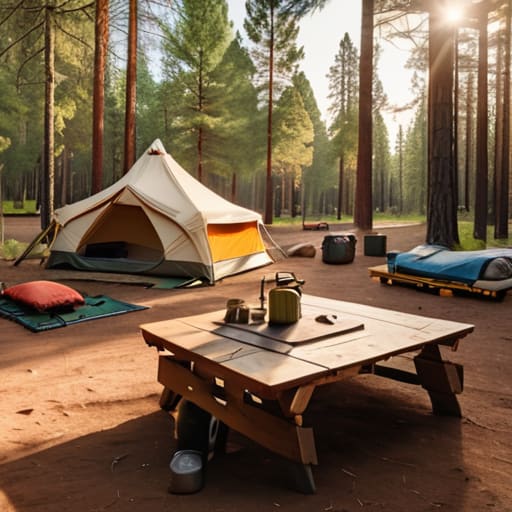
- Establish a hard “turn-back time” before you even leave the car park. I’ve seen too many groups push through a fading light window because they didn’t want to feel like they’d failed, only to end up fumbling with tent poles in the dark while the temperature drops. Decide when the day is over while everyone is still caffeinated and optimistic.
- Assign a dedicated “Kitchen Lead” to manage the communal stove and fuel. It sounds small, but if three people all try to cook at once or, worse, everyone assumes someone else brought the lighter, you’ll be sitting in the damp eating cold oats. One person manages the shared fuel and the water purification; it keeps the camp footprint small and the workflow predictable.
- Don’t let “group weight” become a euphemism for laziness. I’ve spent years watching people carry massive, heavy communal tents because they thought it was “fair,” only to find half the group is struggling on the ascent. Divide the heavy, shared items—tents, water, group food—clearly and write them down in a shared note before anyone starts packing.
- Plan your campsite layout based on wind direction, not just the view. When you arrive, don’t just pitch wherever looks flat; look at how the wind is hitting the ridge. I’ve spent many a night listening to a group of hikers shivering because they pitched their tents in a wind tunnel instead of using a natural lee. If you’re in a group, make sure the communal area is sheltered enough that you aren’t fighting the elements just to sit and eat.
- Set a “standard of kit” for everyone, regardless of their experience. It doesn’t matter if one person is a seasoned hiker and another is a novice; if the group is sleeping in a valley where the dew point is hit by midnight, everyone needs a decent sleeping mat and a waterproof shell. I’ve been in situations where one person’s lack of a proper layer forced the entire group to cut the trip short because we were all managing their hypothermia.
The Weight of Group Decisions
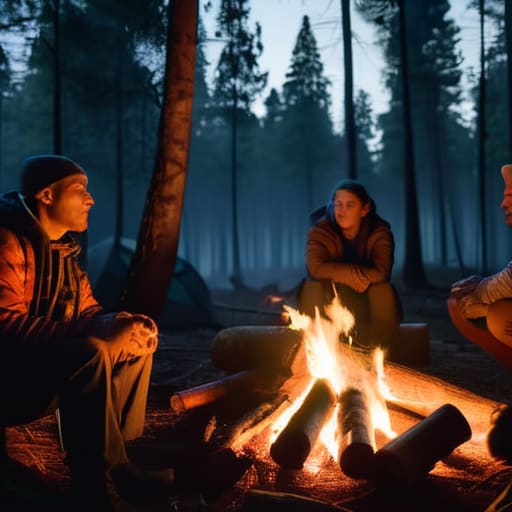
Most group mishaps don’t happen because someone forgot a tent peg; they happen because one person’s optimism overrides the collective reality of a darkening sky and a dwindling daylight window. When you’re camping with others, your most important piece of kit isn’t in your pack—it’s the ability to agree on a turning point before the weather makes the decision for you.
Bridget Halloran
The Reality of the Ridge
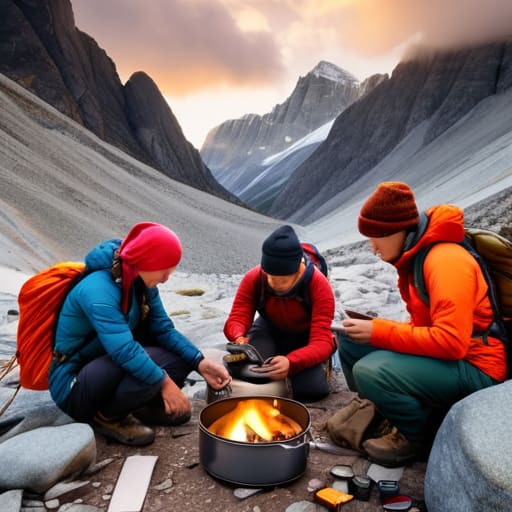
At the end of the day, successful group camping isn’t about having the most expensive ultralight kit; it’s about the logistics you handled three weeks before you even reached the trailhead. It’s about knowing exactly who is carrying the communal fuel, ensuring no one is over-encumbered by redundant stoves, and—most importantly—having a shared understanding of the weather window. If you’ve coordinated your gear, split the weight sensibly, and established a clear plan for when the clouds start to drop, you’ve already won half the battle. Don’t let a lack of organization turn a shared adventure into a series of unnecessary, avoidable mistakes that leave the group cold, hungry, or lost.
There is a specific kind of quiet that settles over a camp once the tents are pitched and the wind dies down, and that is the reward for doing the boring work upfront. When you stop worrying about whether you forgot the mallet or if someone’s sleeping bag is too thin, you actually have the mental space to notice the things that matter—the way the light hits the valley or the silhouette of a buzzard circling the ridge. The outdoors is a magnificent place to be, provided you respect the margin for error. Do the prep, watch the forecast, and then let the mountain do the rest.
Frequently Asked Questions
How do I handle the inevitable "optimistic" person in the group who thinks they don't need a proper waterproof layer or a headtorch?
We all know them. The person who thinks a light drizzle is just “character building” and that their phone torch is a substitute for a real headlamp. I’ve spent too many nights watching someone shiver in a damp base layer because they thought they’d be fine. Don’t argue; just make it a non-negotiable rule. I tell my groups: if you don’t have the kit, you don’t go. It’s easier to leave someone behind than to carry them down.
What’s the best way to manage group movement and timing so we aren't still setting up tents in the dark because one person wanted to linger at the viewpoint?
The “viewpoint lingerer” is how you end up shivering in a tent you can’t find in the dark. You need a hard turnaround time, not a suggestion. I tell my groups: we hit the ridge by 14:00, or we turn back. Period. Set the pace based on your slowest walker, not your fastest. If you’re constantly checking the light, you’ve already lost the day. Plan for the transition, not the peak.
How do we balance sharing heavy communal gear, like stoves and water filters, against the risk of someone's kit failing when we're miles from the trailhead?
The rule is simple: you share the weight, but you don’t share the risk. If you’re splitting one stove among four people, someone needs to carry a lightweight backup—even if it’s just a small gas canister and a single burner. I’ve seen groups stuck in the rain with a broken pump and no way to treat water. Carry the communal kit, but ensure at least one person has a redundant, lightweight alternative in their pack.