I remember standing knee-deep in a peat bog outside of Glencoe, shivering in a relentless drizzle that had soaked through my supposedly “waterproof” trousers, trying to spot a common adder through a thicket of bracken. Most people think learning how to identify reptiles and amphibians requires a high-end macro lens or a PhD in herpetology, but that’s just nonsense. In reality, it’s about knowing where to look and, more importantly, not touching things until you’re certain. If you’re waiting for a glossy field guide to tell you exactly what’s sliding under a damp log, you’re going to miss the movement entirely.
I’m not here to give you a lecture or a list of Latin names that you’ll forget the moment you step off the trail. Instead, I’m going to show you the practical, slightly muddy reality of what to look for when the light is fading and the ground is uneven. I’ll tell you what I’ve seen with my own eyes over twenty years in the field, focusing on the physical tells—the skin texture, the eye shape, the way they move—that actually matter. No fluff, no expensive gear requirements, just the straight truth on what’s actually crawling in the brush.
Table of Contents
Decoding Ectothermic Animal Traits in the Field
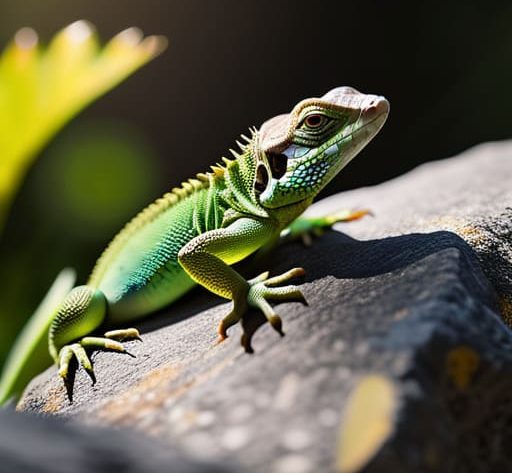
When you’re crouched in a damp ditch or scanning a sun-baked rock face, you aren’t looking for a textbook diagram; you’re looking for how the animal interacts with its environment. The most fundamental way to start is through a quick skin texture comparison. If it looks dry, perhaps even slightly scaled or leathery, you’re likely looking at a reptile. If it looks slick, moist, or almost translucent, you’ve found an amphibian. I’ve spent many a morning in the Lake District observing how a common toad holds its moisture compared to a slow-worm seeking heat, and that visual distinction is your first real clue.
Beyond the surface, you have to look at how they manage their temperature. Because they rely on external heat, observing their habitat observation techniques tells you a lot. A lizard might be darting between patches of shade and direct sun to regulate its core, whereas a newt will stay tucked under a rotting log to avoid drying out. Understanding these ectothermic animal traits helps you predict where they’ll be hiding before you even see them.
A Skin Texture Comparison for Close Encounters
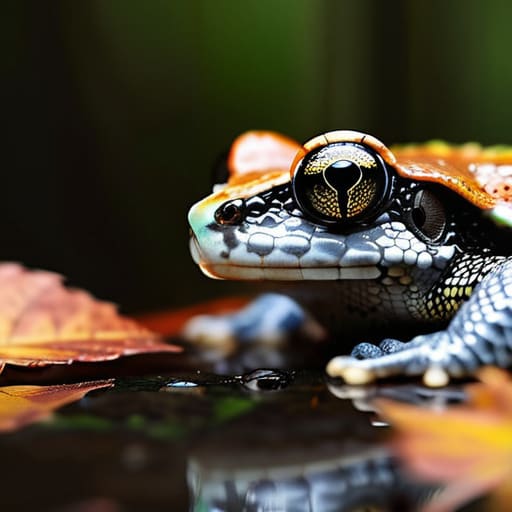
If you’re crouched in the damp leaf litter, the most immediate way to tell the difference between reptiles and amphibians isn’t by looking at their eyes or their size, but by how they handle the moisture. I’ve spent countless hours tracking movements in the undergrowth, and the tactile distinction is usually obvious once you know what to look for. A reptile—whether it’s a common adder or a slow-worm—will have skin that feels dry, even if it’s been sitting in a puddle. It’s built of scales that act like a suit of armor, designed to keep moisture in so they don’t desiccate under the sun.
Amphibians, on the other hand, are a different story entirely. Their skin is permeable, meaning they breathe and drink through it. When I’m observing a common toad or a newt, the texture is noticeably smoother, often feeling slightly tacky or even slimy to the touch. This isn’t just “grossness”; it’s a biological necessity for their survival. If you see something that looks perpetually damp or has a granular, soft appearance, you’re almost certainly looking at an amphibian.
Five ways to tell what’s moving in the undergrowth
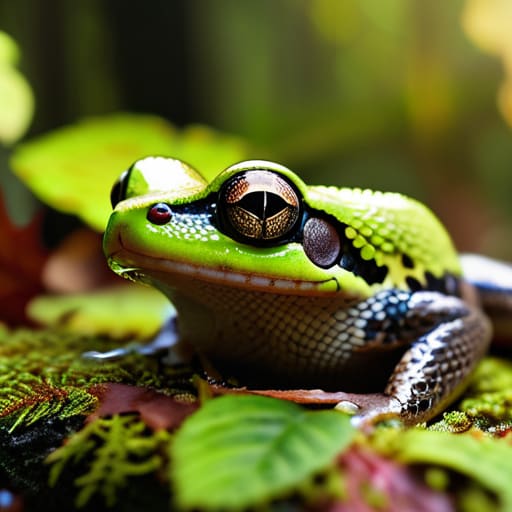
- Watch how they move before you get close. If it’s a sudden, frantic dash or a rhythmic, serpentine slither, you’re likely looking at a reptile. If it’s a slow, deliberate crawl or a series of heavy, sticky hops, it’s almost certainly an amphibian. I’ve spent years watching the way a common toad moves compared to a grass snake; one is purposeful and heavy, the other is pure muscle and speed.
- Look for the moisture barrier. This is the quickest way to separate the two. If the animal looks “wet” or has a slight sheen that seems to cling to its skin, it’s an amphibian. They need that moisture to breathe. If the skin looks dry, matte, or even slightly dusty, you’re looking at a reptile. I’ve seen plenty of people try to handle a newt thinking it’s a small lizard, only to realize too late how fragile that permeable skin actually is.
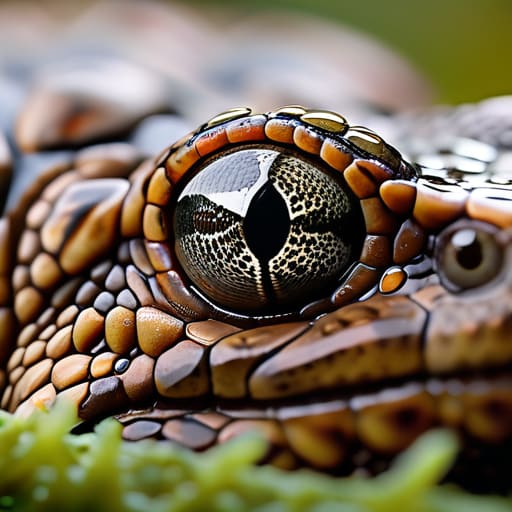
- Check the eye placement and eyelid structure. Most reptiles have distinct, moveable eyelids that they use to blink. If you see an eye that looks fixed, lidless, and perhaps a bit more “glassy,” you’re likely looking at a snake. Amphibians generally have more prominent, bulging eyes without the same kind of specialized lid structure.
- Pay attention to the feet and toes. It sounds simple, but it works. If you see clear, clawed toes designed for gripping rock or digging through soil, think reptile. If the feet look more like paddles, or if the digits are fleshy and lack any visible claws, you are almost certainly dealing with an amphibian. I once tracked a newt colony through a boggy patch of heather where the distinction was the only thing that kept my identification accurate.
- Observe the reaction to light and temperature. If you find an animal hunkered down in a sun-baked rock crevice, it’s likely a reptile trying to jumpstart its metabolism. If you find it under a damp log or in the middle of a rain-soaked moss bed, it’s likely an amphibian. They don’t chase the heat the way a lizard does; they chase the damp.
## Respect the difference
I’ve spent twenty years watching people reach for a smooth, damp skin thinking it’s a toy, only to realize too late they’re handling a common toad that’s about to make their afternoon very unpleasant; if you can’t tell the difference between scales and slime at a glance, keep your hands in your pockets and just observe.
Bridget Halloran
Respect the distance, learn the signs
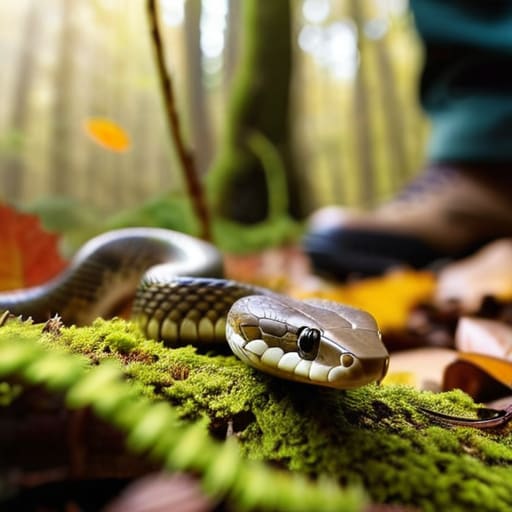
At the end of the day, identifying these creatures comes down to more than just checking a list of scale patterns or skin textures. It’s about observing how they interact with the environment—watching for that sudden, rhythmic movement in the leaf litter or noticing how a particular sunning spot is occupied at midday. Remember that the difference between a harmless newt and something you shouldn’t touch often lies in those subtle, physical distinctions we’ve discussed. If you can’t tell the difference between a common adder and a non-venomous grass snake from a safe distance, the smartest decision isn’t to get closer for a better look; it’s to keep moving and keep observing.
There is a specific kind of quiet that comes with watching a predator move through the undergrowth, and once you start recognizing these animals, the landscape begins to feel much more crowded—in the best way possible. You stop seeing just “the woods” and start seeing a complex, functioning network of life that relies on the very micro-climates you’re walking through. Don’t let the fear of a bite or a sting stop you from looking, but let your knowledge guide your caution and respect. The more you understand the small things, the more you realize that we are merely guests in their world, and it’s our job to observe it without breaking it.
Frequently Asked Questions
How can I tell the difference between a common newt and something more dangerous if I can't get close enough to see the skin texture?
If you can’t get close, watch the movement and the colours. A smooth newt tends to be more deliberate, often hiding under leaf litter. If you see something darting with more urgency, or if it has bright, high-contrast markings—think vivid yellows or deep reds against black—keep your distance. I’ve learned the hard way that if it looks like it’s trying to warn you away with its patterns, you should listen.
Does the time of day or the temperature change how likely I am to spot them in the undergrowth?
Timing is everything. If you’re out in the midday heat, you’re more likely to spot reptiles basking on a stone to soak up the sun; they’re essentially solar-powered. But if you’re looking for amphibians, forget the noon sun. They’ll be tucked deep under damp leaf litter to avoid drying out. I’ve found that the best window is that grey, damp period around dusk. The temperature drops, the moisture rises, and that’s when they move.
If I find a specimen, what’s the right way to observe it without causing it stress or getting myself bitten?
Stop moving. If you’re hovering over a newt or a viper, you’ve already failed the first rule of observation. Most reptiles will bolt or strike if they feel cornered. Get low, stay still, and let them settle into their environment before you even think about reaching for a lens. If it looks defensive—coiling or flattening out—you’re too close. Observe from a distance; your goal is to see them living, not just surviving you.