I remember sitting in a damp tent in the Cairngorms three years ago, watching a group of hikers stare despondently at a dead GPS unit while the mist rolled in thick enough to swallow them. They had spent a small fortune on a high-tech solar array that was currently useless because they’d been hiking through a week of unrelenting Atlantic cloud cover. It’s a classic mistake: assuming the gear you see in glossy, sun-drenched advertisements will actually perform when the weather turns foul. People spend far too much time chasing the latest gadgetry and not enough time understanding the actual physics of how to charge devices while camping when the environment is actively working against you.
I’m not here to sell you on a lifestyle brand or a shiny new piece of tech I haven’t actually field-tested. Instead, I’m going to give you the unvarnished truth about power management based on two decades of being caught in the wrong weather at the wrong time. I will tell you exactly which power banks have survived my drops into freezing scree and which solar panels are nothing more than expensive paperweights in the UK. This is about practical, weight-conscious reliability—the kind that ensures your navigation stays live when the daylight starts to fail.
Table of Contents
Choosing Between a Camping Power Station vs Power Bank
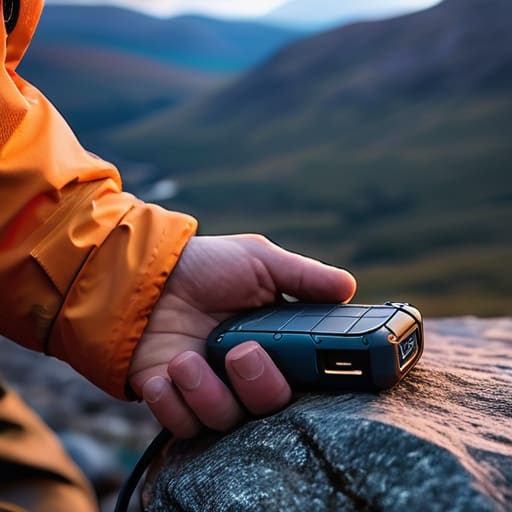
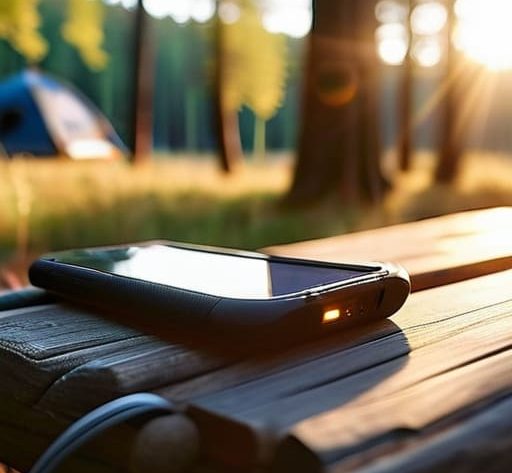
The choice between a camping power station vs power bank usually comes down to how much you’re actually planning to do once the sun drops. I’ve carried a 20,000mAh power bank through three different traverses in the Cairngorms—it’s light, it fits in a side pocket, and it’s fine if you just need to keep a GPS unit or a phone from dying during a long navigation. But a power bank is a finite resource; once it’s empty, you’re just carrying a dead brick of plastic.
If you’re setting up a basecamp or heading out for a week-long expedition where you’re relying on off-grid charging solutions, you need something with more teeth. I’ve used a 250Wh portable power station for five days straight during a remote scouting trip. It’s heavy—about 3kg—and you’ll feel every gram of it on a steep ascent, but it allows you to run everything from a headlamp to a small heated vest. If you pair a station with portable solar panels for camping, you’re essentially building a tiny, mobile grid, provided the clouds actually decide to clear for once.
Reliable Off Grid Charging Solutions for Long Treks
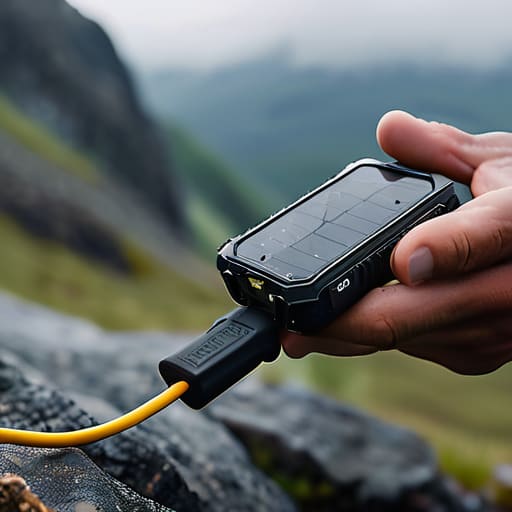
When you’re three days into a ridge walk and the mist starts rolling in, your priorities shift from “how many photos can I take” to “can I see my map on this screen.” For long-distance treks where weight is your primary enemy, I generally steer people toward high-capacity power banks over larger setups. I’ve carried the Nitecore NB10000 for three seasons now, through everything from the humid valleys of Snowdonia to the freezing scree slopes of the Cairngorms; at 150g, it’s the only thing that doesn’t feel like a punishment in my pack.
If you are opting for portable solar panels for camping to supplement your kit, you need to be realistic. I’ve spent many afternoons trying to coax a charge out of a folding panel while sitting in a damp hollow, and let me tell you, if you aren’t in direct, unobstructed sunlight, you are essentially carrying a very expensive piece of fabric. For true reliability on multi-day routes, I rely on a combination of a rugged power bank and a strict habit of maintaining battery life in low temperatures by keeping my electronics inside my sleeping bag at night. It sounds basic, but it’s the difference between a working GPS and a dead brick at 4:00 AM.
Five ways to avoid a dead battery when the weather turns
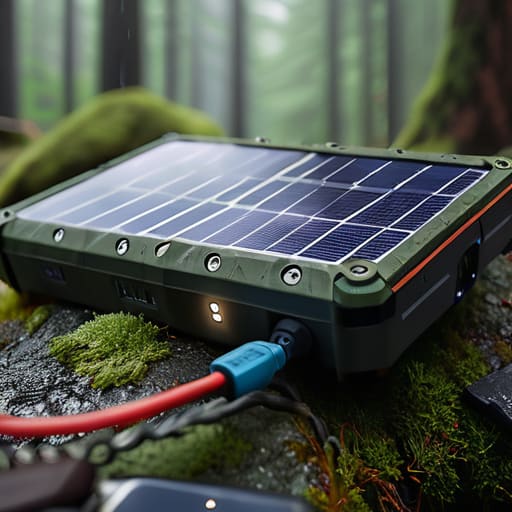
- Manage your expectations with solar. I’ve spent ten days in the Cairngorms with a decent-sized solar panel strapped to my pack, and I managed to gain exactly 4% charge because the clouds wouldn’t budge. Solar is a bonus, not a primary strategy; if your entire trip depends on a clear sky, you’re making an optimistic mistake.
- Keep your power banks inside your sleeping bag at night. I’ve seen lithium-ion batteries drop from 60% to zero in a single night just because the temperature fell below freezing. Cold kills capacity, so treat your electronics like you treat your own core temperature—keep them insulated.
- Buy for the weight, not the capacity. I’ve carried a 20,000mAh power bank that felt like a literal brick after six hours of ascent; it’s tempting to pack every spare cell you own, but a heavy pack leads to fatigue, and fatigue leads to the kind of bad decisions that get people lost.
- Use airplane mode as a default, not an option. If you’re trekking through a valley with no signal, your phone is working overtime, burning through battery just searching for a tower that isn’t there. I turn mine off entirely the moment I leave the trailhead to ensure that when I actually need the GPS, it’s actually there.
- Invest in rugged, weather-sealed cables. I once had a cheap, braided USB cable fail halfway through a three-day loop in the Lake District because the connector housing cracked after being crushed in a damp pocket. If the cable isn’t rated for the conditions you’re actually walking in, it’s just extra weight.
The Cost of a Dead Battery
I’ve seen people sit in the dark, shivering because they’re too cold to move and too panicked to think, simply because their phone died and they lost their map and their light. In the mountains, a dead battery isn’t just an inconvenience; it’s a sudden, sharp narrowing of your options.
Bridget Halloran
The Final Checklist
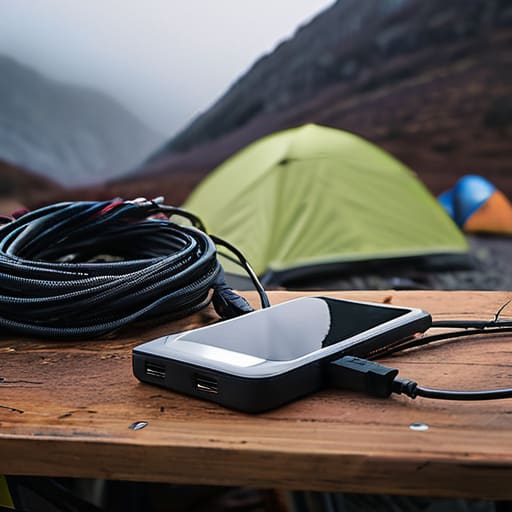
At the end of the day, your power strategy comes down to a simple trade-off between weight and reliability. If you are doing a quick weekend loop, a high-capacity power bank is your best friend; if you are setting up a basecamp for a week, you’ll want the capacity of a proper power station. I’ve learned the hard way—usually while shivering in a tent in the Lake District—that you cannot rely on a single point of failure. Always carry a backup, check your cables for fraying before you leave the house, and never assume a solar panel will work just because the forecast says ‘sunny’. A little bit of extra weight in your pack is a small price to pay for the certainty that your GPS and emergency comms will actually function when the visibility drops to zero.
Ultimately, the goal isn’t to stay connected to the world you left behind, but to ensure you have the tools to navigate the one you’re currently in. Technology is a wonderful safety net, but it shouldn’t become a distraction from the landscape or the birds circling above. Use your devices to enhance your safety and document your route, but remember that the most important battery is your own judgment. If you’ve planned your charging, checked your gear, and respected the weather, you can stop worrying about the percentages on your screen and start actually looking at the horizon.
Frequently Asked Questions
How much extra weight am I actually adding to my pack if I decide to carry a solar panel versus just a larger capacity power bank?
It depends on your math, but usually, you’re looking at a 400g to 700g penalty for a decent, foldable solar panel. I’ve carried a 10W panel for three seasons on multi-day treks in the Cairngorms; it’s light, but it’s temperamental. A high-capacity power bank—say, 20,000mAh—will weigh roughly the same but offers guaranteed energy. If you aren’t sitting in a sun-drenched meadow for six hours, that extra solar weight is just dead weight.
Will a solar charger actually work in the overcast, grey conditions we get most of the time in the UK, or is it a waste of space?
In the UK, if you’re banking on a solar panel to be your primary source of power, you’re making an optimistic mistake. I’ve spent countless days on the Lake District ridges under nothing but a flat, grey ceiling, and those panels are essentially expensive paperweights when the clouds move in. They might trickle-charge a device on a bright day, but in typical British weather, they won’t keep up with your actual consumption. Stick to high-capacity power banks.
How do I stop my batteries from draining or failing when the temperature drops overnight in a tent?
The cold is a thief; it doesn’t just drain your battery, it chemically slows it down. I’ve spent too many nights in a frost-rimed tent staring at a dead phone that was at 40% when I went to sleep. Keep your power banks and spares inside your sleeping bag or in an internal pocket against your body. I’ve used my Anker power core for three seasons in the Cairngorms, and keeping it insulated is the only way to ensure it actually works when the sun comes up.