I spent most of my career watching people try to “save the planet” by buying expensive, pre-packaged “pollinator kits” from big-box garden centers, only to watch those same delicate, non-native plants wither the first time a real storm rolls through. It’s frustrating because there is so much noise out there about how complicated this needs to be, when the truth is that most of the best ways to build backyard habitats for pollinators don’t involve a credit card at all. You don’t need a designer’s eye or a massive budget; you just need to stop fighting your local climate and start working with it.
I’m not here to sell you on a curated aesthetic or a way to make your garden look like a magazine spread. My approach is much more practical: I’ll be looking at what actually survives a season of heavy rain and fluctuating temperatures. I’m going to share the specific, unvarnished methods I’ve observed while tracking wildlife in the field, focusing on resilience over decoration. We’ll talk about soil, local plant selection, and why leaving a bit of a mess is often the most productive thing you can do.
Choosing Native Plants for Bees and Butterflies That Actually Survive
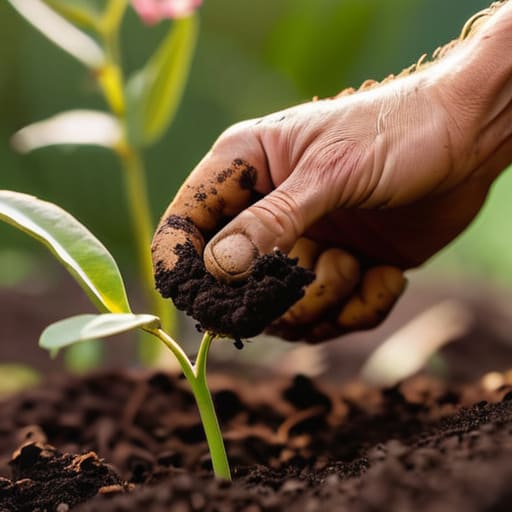
If you find yourself staring at a seed packet and feeling completely out of your depth, don’t panic; most of us have been there. I’ve found that the best way to bridge that gap between intention and actual results is to lean on local knowledge rather than generic gardening books. It helps to connect with people who are actually living in your specific climate and dealing with the same soil issues you are. I often suggest looking for a region chat community where you can ask the unfiltered questions about what actually survives a hard frost or a dry spell in your neck of the woods. It’s much more reliable than a glossy magazine, because local gardeners will tell you the truth about what thrives and what just dies in a corner and creates more work for you.
The mistake I see most often—and I’ve seen it in everything from managed parklands to tiny suburban patches—is trying to force a garden to look like a postcard. People buy expensive, exotic flowering perennials from a nursery, plant them, and then wonder why nothing is visiting. If you want to succeed at creating a pollinator garden, you have to stop thinking about aesthetics and start thinking about local resilience. A plant that’s spent ten thousand years evolving alongside your local insect population is going to handle a sudden frost or a week of heavy rain far better than some pampered hybrid from a greenhouse.
When you’re selecting native plants for bees and butterflies, look for the “workhorses.” I’m talking about the rugged, unglamorous species that can survive being stepped on or neglected. I’ve spent twenty years watching how different species respond to shifting weather patterns, and the lesson is always the same: reliability beats flashiness every time. Don’t aim for a perfect arrangement; aim for a collection of plants that can actually handle your specific soil and local wind exposure. If the plant can’t survive a rough autumn, it isn’t going to provide much for the insects come spring.
The Messy Reality of Creating a Pollinator Garden From Scratch
The biggest mistake people make when creating a pollinator garden is expecting it to look like a manicured showroom from day one. If you’re aiming for a wildflower meadow for pollinators, you have to accept that nature doesn’t follow a blueprint. There will be bare patches of dirt, some weeds that look out of place, and a period of time where it just looks like an untended corner of the yard. I spent three years trying to force a specific layout in a high-wind, exposed patch of ground near my cottage, and it failed miserably because I was fighting the site instead of working with it.
You have to let the ground settle and the local seeds do their thing. True beneficial insect habitat design is often quite chaotic; it requires dead wood, some varying soil depths, and—most importantly—the patience to leave things alone. If you’re constantly weeding or tidying up the edges, you’re likely destroying the very micro-climates the larvae need to survive. It’s not about perfection; it’s about providing a functional, slightly messy sanctuary that actually works when the weather turns.
Five practical steps that don't involve a degree in landscape design
- Stop cleaning up every bit of garden debris; that pile of dead leaves in the corner is actually a vital winter shelter for many beneficial insects, and pulling them out every autumn just removes the very homes they need to survive the frost.
- Prioritise a water source that isn’t a deep birdbath, but rather something shallow with stones or pebbles sticking out; bees and butterflies need a landing pad so they can drink without the risk of drowning when the wind picks up.
- Think about the timing of your blooms, because a garden that looks great in June but is a desert in September is useless; you need a sequence of plants that provides a steady food supply from the first thaw until the light starts failing.
- Accept that a little bit of “mess” is non-negotiable; if you’re obsessed with perfectly manicured lawns, you’re essentially creating a green desert, so leave some patches of bare soil or long grass for ground-nesting species to actually get to work.
- Watch the weather and the local microclimates of your own yard before you plant; a sunny, sheltered corner will hold heat differently than a wind-swept patch near a fence, and your plants need to be matched to those specific, unyielding conditions.
The long game of a messy garden
At the end of the day, building a habitat isn’t about achieving some pristine, magazine-ready landscape; it’s about the practicalities of survival. You’ve looked at the native species that can actually handle your local soil, and you’ve accepted that a bit of dirt and some unkempt corners are part of the process. It’s about providing the right nectar at the right time and, more importantly, giving those insects a place to actually exist without being tidied away. If you get the foundation right—the right plants, the right shelter, and a bit of patience—the rest of the ecosystem tends to follow suit. It is slow, deliberate work, much like repairing a footpath or tracking a bird through a heavy mist, but it is the only way to make it stick.
I’ve spent twenty-two years watching how landscapes change, and I can tell you that even the smallest patch of intentional growth matters. You don’t need a massive estate to make a difference; you just need to make one informed decision instead of three optimistic ones. Nature doesn’t ask for perfection, it just asks for a foothold. So, stop worrying about the aesthetics and start focusing on the function. Once you stop trying to control the garden and start letting it do its job, you’ll see that the most rewarding views aren’t the ones we design, but the ones that arrive on their own.