I spent a decade as a ranger watching people spend hundreds of pounds on “biodiversity kits” and designer bird feeders, only to wonder why the local buzzards and solitary bees weren’t showing up. Most people treat a complete guide to wildlife gardening like a shopping list for a high-end garden centre, thinking that if they buy enough plastic-wrapped nectar plants, they’ve done their bit. It’s a mistake. Real ecology isn’t about buying a product; it’s about understanding the messy, unmanicured reality of how a habitat actually functions when the wind is blowing and the seasons shift.
I am not here to sell you a lifestyle or a set of aesthetic trends. I’m going to give you the practical, slightly grit-under-the-fingernails truth about what actually works, based on twenty years of observing how birds and insects move through the landscape. We will talk about soil, structural cover, and why that “perfect” lawn is often a biological desert. This isn’t about making a pretty picture for a magazine; it’s about creating a space that survives the weather and actually supports the life you’re trying to invite in.
Table of Contents
Choosing Native Plant Species for Pollinators That Actually Survive
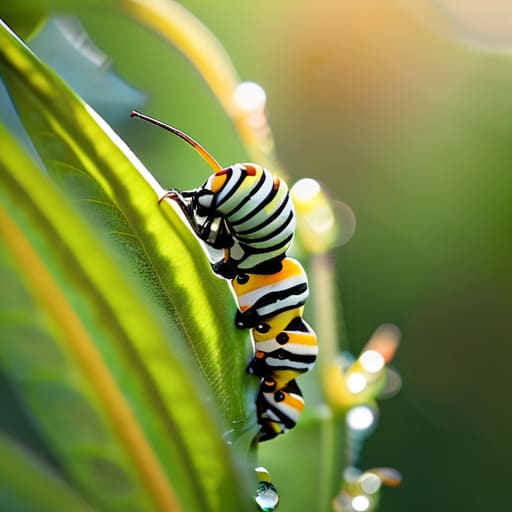
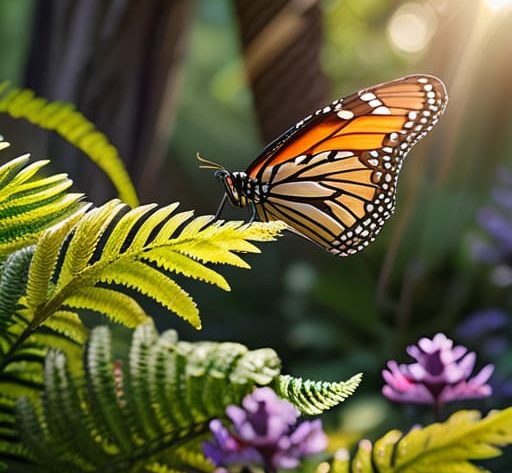
The biggest mistake I see people make when they decide they want to support local wildlife is buying a “pollinator mix” from a big-box retailer and hoping for the best. Most of those mixes are filled with non-native cultivars that look lovely in a catalogue but offer zero nutritional value to the local insect population. If you want to actually succeed at creating insect habitats, you have to stop thinking about aesthetics and start thinking about the local lifecycle. I’ve spent years observing how specific larvae rely on specific leaves; if the plant isn’t native to this patch of earth, the cycle breaks.
I’ve spent the last three seasons testing various native plant species for pollinators in my own patch, specifically focusing on how they handle the heavy, waterlogged springs we’ve been having. I’ve found that Hawthorn and Elder are non-negotiable; they are tough, they handle the wind, and they provide the exact structural complexity that birds need. Don’t go for the delicate, pampered stuff you see in garden centres. You need plants that can survive a week of horizontal rain without rotting at the stem, or you’ll find yourself staring at a patch of dead mulch by mid-July.
Creating Insect Habitats Without the Constant Maintenance
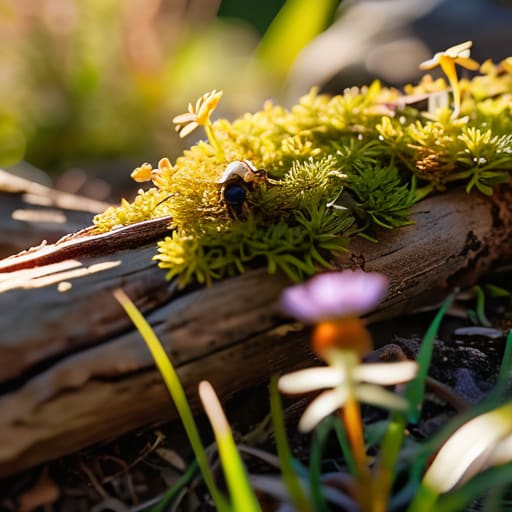
The biggest mistake I see people make is thinking that a “wildlife garden” has to look like a manicured park. It doesn’t. In fact, if you’re spending every Saturday morning weeding and tidying, you’re likely destroying the very thing you’re trying to build. Real creating insect habitats is often about doing less, not more. I’ve spent years watching how different micro-climates settle in a landscape, and the most successful spots are usually the ones left alone. Leave a patch of bare, sandy soil for solitary bees, or keep a small pile of deadwood in a corner where the sun hits it. It looks untidy to the neighbors, but to a ground-nesting insect, it’s prime real estate.
If you want to boost biodiversity in backyard gardens without it becoming a second full-time job, focus on structural variety. Instead of planting everything in neat, raised beds, let some areas go a bit “scrubby.” A few fallen branches or a small, shallow dish of water—even just a saucer with some pebbles so they don’t drown—can make a massive difference. I’ve seen more life return to a patch of ground in three weeks of neglect than in three years of constant pruning.
The Details That Actually Matter (And the Ones That Don't)
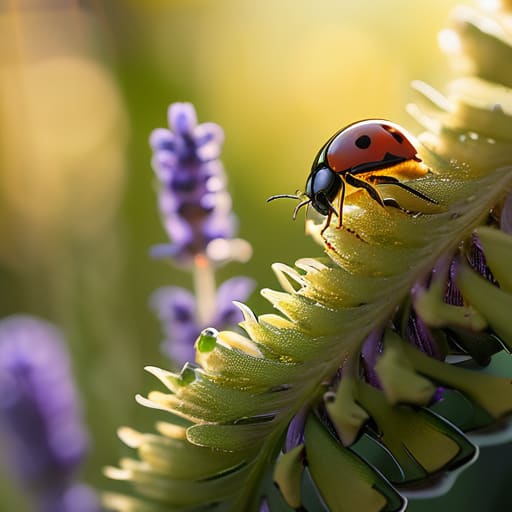
- Stop trying to tidy every corner. I spent nine years as a ranger watching people strip away the “mess” of a landscape, not realising that a pile of decaying wood or a patch of dead stalks is actually a high-rise apartment for the very insects you’re trying to attract. If you want biodiversity, you have to leave a bit of the rot alone.
- Water is non-negotiable, but don’t just put out a shallow saucer. You need a proper edge—something sloping like a pebble or a ramp—so that a bumblebee or a hedgehog can actually get in and out without drowning. I’ve seen too many people set up “features” that end up being accidental death traps.
- Think about the timing of your garden, not just the aesthetics. A garden that looks lovely in June but is a barren wasteland in March is useless to most wildlife. You need to layer your planting so there is a continuous nectar trail from the first thaw of spring through to the late frosts of autumn.
- Watch your light and your wind. People often pick a plant because it looks right in a catalogue, but they forget to check if it can actually handle the microclimate of their specific corner. I’ve seen expensive “wildlife” shrubs stripped to the stem by a single season of prevailing wind because they weren’t planted in a sheltered spot.
- Keep a log, even if it’s just a notebook by the back door. I’ve kept a raptor nest log since 2009, and it’s taught me more about the rhythm of the seasons than any textbook. If you note when the first bees appear or when the birds return, you’ll stop gardening for “looks” and start gardening for the reality of the land you’re actually standing on.
The Myth of the Perfect Garden
People often approach wildlife gardening like they’re planning a summit push—they want everything to look tidy and intentional from the start, but nature doesn’t work on a schedule. If you spend all your time weeding and tidying up the edges, you aren’t building a habitat; you’re just maintaining a museum. A real garden needs a bit of chaos, a bit of rot, and a lot of patience to actually function.
Bridget Halloran
The Long View
If you’ve followed the logic so far, you know this isn’t about creating a manicured showroom for butterflies; it’s about building a functional, resilient ecosystem. You’ve looked at selecting the right native species that won’t just die the first time a heatwave hits, and you’ve learned that leaving a bit of “mess”—some dead wood or a patch of unmown grass—is often more productive than any expensive garden gadget. It comes down to consistency over perfection. You don’t need a massive estate to make a difference, but you do need to understand that a wildlife garden is a living, breathing commitment to providing the basics: food, water, and shelter, even when the weather turns foul.
I spent years watching bird populations shift based on the availability of specific nesting sites and insect hatches, and I can tell you that even the smallest patch of habitat matters. Nature doesn’t need you to be an expert; it just needs you to stop interfering so much. Once you set the foundation with the right plants and a bit of structural variety, the garden starts to take over the heavy lifting. You’ll find yourself sitting there, perhaps with a coffee, watching a predator or a pollinator move through a space you helped create, realizing that the best gardens are the ones that feel slightly out of control.
Frequently Asked Questions
How do I stop the wildlife garden from looking like a neglected patch of weeds to my neighbours?
The trick is “managed chaos.” If you just let the nettles take over, it looks like a lack of effort. I use tidy, structural edges—like a crisp gravel path or a low timber border—to frame the wilder bits. It tells the neighbours, “I meant to do this.” Think of it like a mountain trail: you want the heather to grow wild, but you need a clear, defined track so people know where to walk.
Is it actually possible to support local birds and insects if my garden is small or mostly paved?
It is, but you have to stop thinking in terms of acreage and start thinking in terms of layers. A tiny paved courtyard can still support life if you use vertical space—think heavy-duty planters with deep soil for perennials, not just decorative pots. I’ve seen more biodiversity in a single balcony filled with native bramble and elder than in a manicured lawn. If there’s no soil, bring it in. If there’s no shade, build it.
What's the realistic time commitment for maintaining these habitats once the initial planting is done?
If you’ve planted the right natives, you’re looking at maybe an hour a fortnight during the growing season—mostly just pulling out the aggressive weeds that try to choke your new arrivals. Once things settle, it’s more about observation than labor. I’ve spent years watching how habitats evolve; the goal isn’t to manicure it, but to manage the transition. If you’re spending every weekend weeding, you’ve likely missed the mark on your species selection.