I remember standing on a ridge in the Cairngorms three years ago, watching a group of hikers scramble over a delicate patch of lichen-covered granite just because “the path looked easier that way.” They weren’t being malicious; they were just being optimistic, thinking a little deviation wouldn’t matter. But that one decision—the kind that ignores the subtle signs of a sensitive habitat—is exactly why people struggle with how to understand protected sites. Most guidebooks treat these areas like museum exhibits behind glass, but the reality is much more tactile and, frankly, much more fragile. You don’t need a PhD in ecology to respect the land; you just need to stop treating every acre of wilderness like it’s a playground built for your convenience.
I’m not here to feed you a list of bureaucratic definitions or recite dry government white papers. Instead, I’m going to give you the unfiltered reality of what these designations actually mean when you’re standing in the mud with a heavy pack. I’ll show you how to read the landscape for what it is, not what the brochure says it is, so you can navigate these spaces without accidentally becoming part of the problem.
Table of Contents
Decoding Environmental Designation Types Before You Pack
When you’re looking at a map, those colored shadings and acronyms aren’t just bureaucratic clutter; they are the specific rules of engagement for that piece of ground. You’ll likely run into SSSIs (Sites of Special Scientific Interest) most often. I’ve spent many a rainy afternoon documenting bird counts in these areas, and the ecological significance of SSSI designations cannot be overstated. They aren’t just “nice areas”; they are often the last strongholds for specific species that can’t survive anywhere else. If you wander off-path in an SSSI, you aren’t just getting muddy—you’re potentially trampling a rare moss or disrupting a nesting site that took years to establish.
Then you have the broader environmental designation types like National Parks or Areas of Outstanding Natural Beauty. While these feel more “public,” don’t mistake them for free-for-all playgrounds. They often come with specific land use restrictions in protected areas to balance visitor access with long-term preservation. I always tell my groups: read the designation before you lace up. Knowing whether you’re stepping into a highly regulated habitat or a more general recreation zone changes how you manage your footprint, your waste, and your route.
Why Land Use Restrictions Matter When the Weather Turns

When the weather turns and visibility drops to nothing, your focus naturally shifts to your feet and the immediate task of staying dry. But this is exactly when the ecological significance of SSSI sites becomes most vulnerable. In heavy rain or high winds, people tend to scramble for cover, often veering off established paths to find shelter under ledges or thickets. In a standard woodland, that might just be a bit of mud; in a highly sensitive habitat, that single decision can crush delicate ground-nesting sites or compact soil that has taken decades to stabilize.
I’ve seen too many groups, caught in a sudden squall, disregard land use restrictions in protected areas simply because they were focused on their own discomfort. They don’t realize that the very ground they are trampling is part of a wider, fragile network of wildlife habitat management. When you are navigating through a storm, your priority is safety, but your secondary priority must be staying on the designated track. It isn’t about being difficult; it’s about understanding that the landscape is often much more fragile than it looks through a layer of mist.
Five things to check before you tighten your laces
- Look beyond the map labels. A ‘Site of Special Scientific Interest’ (SSSI) isn’t just a fancy name; it’s often a specific patch of ground that’s fragile because it’s home to something rare. I’ve spent weeks in the rain counting nesting birds, and I can tell you, one misplaced tent peg in the wrong spot can ruin a breeding season.
- Check the specific access rights, not just the general ones. Just because a hill is open to the public doesn’t mean you can scramble up every crag or pitch a bivvy bag anywhere. I’ve seen too many people get a stern talking-to from a ranger because they assumed ‘public access’ meant ‘unrestricted freedom.’
- Study the seasonal restrictions. This is the boring part that saves lives and habitats. Many protected areas have strict ‘no-go’ windows for nesting birds or certain flora. If you ignore a seasonal closure because the weather looks fine, you aren’t just breaking a rule; you’re actively disturbing the wildlife I spend my life trying to protect.
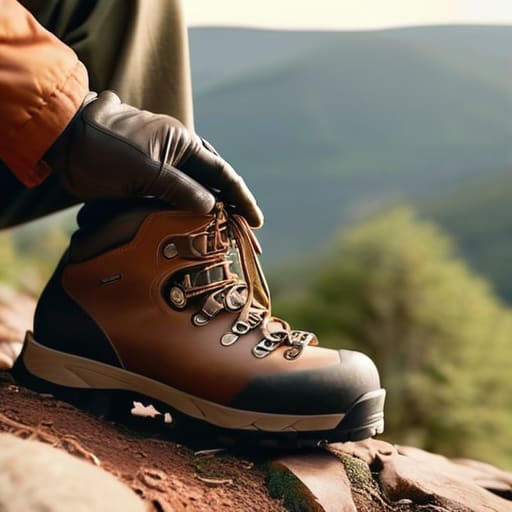
- Match your gear to the terrain’s sensitivity. If you’re heading into a peatland or a delicate moorland site, your choice of footwear matters. I’ve worn my heavy leather boots through three seasons of boggy Highland treks, and they hold up, but if you’re in a highly sensitive area, sometimes lighter, less invasive movements are better for the ground beneath you.
- Learn to read the ‘Quiet’ signs. If a site is designated for its tranquility or specific wildlife, your noise level is part of your footprint. I’ve led groups through some of the most spectacular raptor territories in the country, and the rule is simple: if you can hear yourself shouting, you’re probably too loud for the environment you’re in.
The Reality of the Boundary
A protected site isn’t just a line on a map or a sign meant to keep you on a path; it’s a living, breathing ecosystem that’s often one misplaced step or one loud, heavy-booted shortcut away from being permanently altered. Understanding the designation isn’t about following rules for the sake of it—it’s about respecting the fact that some places are far more fragile than the weather we’re trying to outrun.
Bridget Halloran
The Reality of the Ridge
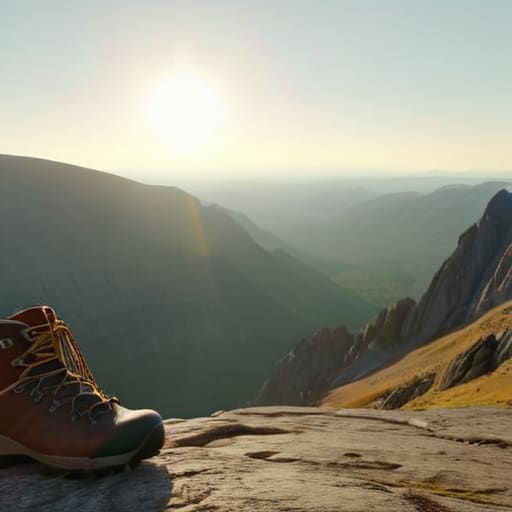
At the end of the day, understanding these designations isn’t about memorizing a list of acronyms or feeling like you’re navigating a legal minefield. It is about recognizing that the landscape has its own set of rules, often dictated by the birds nesting in the crags or the fragile soil beneath your boots. Whether you are navigating a National Park or a more restrictive SSSI, the goal is the same: knowing the restrictions before you are standing on a ridge in a gale, trying to decide if a shortcut is worth the environmental cost. If you do the groundwork on land use and designations while you’re still sitting at your kitchen table, you won’t be making those optimistic, ill-informed decisions when the weather starts to turn and the daylight begins to fail.
We often go into the hills looking for an escape, but we have to remember that we are guests in these spaces. These protected sites exist because they are precious, and they stay precious only if we respect the boundaries that keep them that way. There is a quiet, profound satisfaction in moving through a landscape without leaving a mark, knowing that the raptors are undisturbed and the paths remain intact. If we treat these regulations as a part of our essential kit—just as vital as a good waterproof or a reliable map—then we ensure these places will still be here for the next person who needs to find themselves in the wild.
Frequently Asked Questions
How can I tell the difference between a site that's just "scenic" and one that actually has legal restrictions on where I can step?
Look for the official signage at trailheads, but don’t rely on them alone. A “scenic” spot is just a view; a protected site is a legal boundary. Check OS maps for symbols indicating SSSIs (Sites of Special Scientific Interest) or SACs. If you see those markings, the rules change. It’s the difference between a place that looks nice and a place where a single misplaced bootstep can destroy a decade of nesting progress.
If I'm caught in a sudden storm or heavy fog, does the rule about staying on the marked path still apply even if it's the only way to stay safe?
Safety is the priority, but there is a nuance here. If you are truly in a life-threatening situation—whiteout conditions where the path is invisible and the terrain ahead is a drop—you make the decision that keeps you alive. However, “safety” isn’t an excuse for poor planning. Most people find themselves in that spot because they ignored a deteriorating forecast. If you can still see the markers, stay on them. Don’t trade a protected habitat for a shortcut.
Are there specific ways to check for nesting bird restrictions or seasonal closures before I commit to a multi-day route?
Don’t rely on a generic app for this. I check the local Wildlife Trust websites or the specific National Park’s seasonal notices directly. If you’re planning a multi-day route, call the local ranger station; they know exactly which crags are currently off-limits due to peregrine or eagle nesting. It’s a ten-minute phone call that saves you from a massive fine or, more importantly, from disturbing a bird that’s just trying to raise its young.