I was standing on a ridge in the Cairngorms three years ago, watching a group of hikers huddle under a single, overpriced ultralight tarp while the wind turned the sleet into needles. They had the most expensive, high-tech gear money could buy, but they had no idea how to actually manage their layers or read the darkening clouds. Most people think learning how to prepare for a multi day walk is about collecting a checklist of shiny new gadgets from a glossy catalogue, but that’s a dangerous way to look at it. Real preparation isn’t found in a retail shop; it’s found in the uncomfortable decisions you make long before you reach the trailhead.
In this guide, I’m not going to sell you on the latest marketing hype or tell you that a specific brand of stove will change your life. Instead, I’ll give you the practical, boring, and essential truths about weight, weather, and pacing that I’ve learned from twenty-two years of being outdoors. I will tell you exactly what I use, how many miles I’ve put it through, and—more importantly—when I decide to turn back.
Table of Contents
A Realistic Walking Endurance Training Plan
You don’t need to be an elite athlete to finish a long-distance trek, but you do need to stop treating your training like a gym session and start treating it like a rehearsal. A proper walking endurance training plan isn’t about how many miles you can sprint on a treadmill; it’s about time on your feet with a weighted pack. I’ve seen too many people arrive at a trailhead with great cardiovascular fitness but zero structural resilience. They haven’t conditioned their ankles or their hips for the specific, repetitive strain of a heavy pack on uneven terrain.
Start by building up your mileage on local hills, gradually increasing the weight of your pack each week until it matches your expected long distance hiking gear list load. I’ve spent the last three years doing weekend loops in the Lake District with a 12kg pack to prepare for longer routes, and that consistency is what prevents the inevitable breakdown. Pay attention to how your body feels on day three of a training loop; that is where you truly learn about managing walking fatigue and recovery. If you can’t find your rhythm when you’re tired and damp, you won’t find it when the weather turns on a ridge.
Packing Lightweight for Multi Day Treks Without Sacrificing Safety
The temptation when building a long distance hiking gear list is to pack for the “what ifs.” I spent my first three years as a ranger carrying a pack that felt like it was filled with wet concrete, mostly because I was terrified of being caught without a specific tool for a specific crisis. But weight isn’t just about physical strain; it’s about cognitive load. When you are exhausted, every extra kilogram makes your decision-making slower and your footing more precarious. I’ve seen too many people struggle on a ridge because they were fighting their own pack rather than the wind.
When it comes to packing lightweight for multi day treks, I follow a strict rule: if I haven’t used a piece of kit in its intended environment over the last three seasons, it doesn’t make the cut. For example, I’ve used my Osprey Exos for four seasons of heavy mist and rocky scrambles; it’s light, but it’s proven. You can shave grams off your kit, but you cannot shave grams off your safety essentials. Focus on the overlap of utility and reliability. If a piece of gear only serves one niche purpose, leave it behind.
The Decisions That Happen Before You Reach the Trailhead
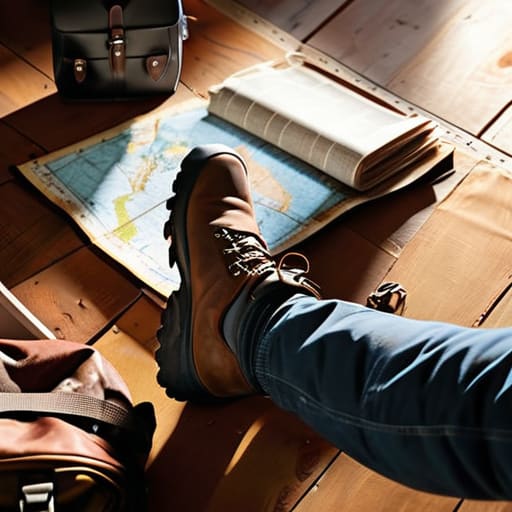
- Learn to read a mountain forecast, not a weather app. I’ve spent twenty years watching people check a standard app, see ‘sunny intervals,’ and head out into a ridge-top gale. You need to understand what a ‘wind chill’ actually feels like when you’re stationary at a campsite, and more importantly, what a ‘rapidly changing’ forecast means for your turnaround time.
- Respect the daylight math. One of the most common mistakes I see—and one I’ve had to manage more than once—is underestimating how much time it takes to navigate a descent in fading light. If your plan assumes you’ll be at camp by 6:00 PM, you’ve already left yourself no margin for a wrong turn or a heavy pack slowing you down.
- Test your kit in the worst possible conditions, not just on a Tuesday afternoon in the garden. I don’t care if a jacket is rated for sub-zero temperatures; if it doesn’t breathe when you’re working hard on a 15% incline in the rain, you’ll end up soaked from the inside out. I’ve used my current shell for three seasons of heavy mist and driving rain, and it’s the only reason I’m not shivering right now.
- Map your water and fuel stops with brutal honesty. There is a specific kind of panic that sets in when you realize your ‘planned’ refill point is actually a dry stream bed because of a July drought. I always check recent trail reports for water availability; optimism is what gets people into trouble when the taps run dry.
- Practice your ‘turn-back’ threshold. Before you leave, decide exactly what conditions or time of day will trigger a change in plan. It is much harder to make that decision when you are halfway up a ridge and the clouds are dropping; it’s much easier to do it while you’re still sitting in the car with a thermos of tea.
The Cost of Optimism
Most people prepare for the walk they want to have, rather than the one they’re actually going to get; they pack for a sunny afternoon in the valley and end up shivering on a ridge in a sideways sleet storm because they thought they could outrun a changing front.
Bridget Halloran
The Margin for Error
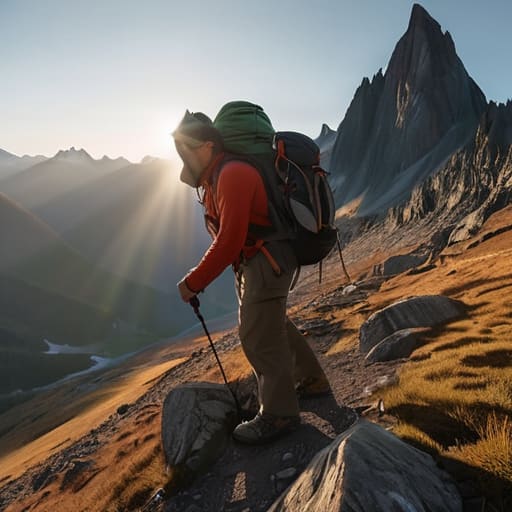
At the end of the day, preparing for a multi-day trek isn’t about mastering a single piece of kit or hitting a specific mileage on your training walks; it is about managing the cumulative effect of your choices. You have to account for the weight in your pack, the reality of your physical conditioning, and—most importantly—the unpredictability of the environment. If you have trained your legs, packed with a focus on safety rather than just convenience, and respected the weight of your gear, you have already closed the gap between a successful trip and a survival situation. Don’t let a single optimistic decision regarding a weather window or a daylight estimate undo the work you’ve put in.
There is a specific kind of quiet that you only find when you are ten miles from the nearest road, sitting by a small stove as the light fails. It is a reward that is only accessible to those who have done the “boring” work of preparation. When you respect the mountains enough to plan for their worst moods, they tend to show you their best. So, check your laces, verify your route, and trust your ability to turn back if the clouds start to look heavy. The hills will still be there tomorrow, and they are much more welcoming to those who arrive prepared.
Frequently Asked Questions
How do I know when a weather forecast is actually reliable enough to trust for a high-altitude route?
You don’t trust a single forecast; you look for the consensus. If the Met Office, MWIS, and a local mountain forecast are all showing the same pressure drop or wind speed increase, then you listen. I’ve spent twenty years watching “sunny intervals” turn into horizontal sleet because someone ignored a subtle change in cloud base. If the models are diverging, assume the worst-case scenario. On a ridge, a “slight chance” of wind is a certainty.
At what point in my training should I start testing my full kit weight on actual terrain rather than just flat paths?
You should be testing your full kit weight on actual terrain the moment you transition from general fitness to specific hiking prep. Don’t wait until your big trip to see how that 14kg pack feels on a 20-degree incline. I started testing my full load on uneven, rocky ground about six weeks before my last three-day trek. If you only train on flat paths, you’re lying to yourself about your actual stamina.
How do I decide between carrying a slightly heavier, more robust tent or opting for the ultralight version that might struggle in a real gale?
I’ve spent fifteen years choosing between weight and stability, and I’ve seen too many lightweight tents turned inside out by a sudden ridge gale. If your route involves exposed high ground or unpredictable weather, take the heavier, robust option. I use my Hilleberg Akto in everything from heavy sleet to 40mph gusts; it’s survived four seasons of North Wales wind. If you aren’t camping in a sheltered valley, don’t trade your safety for ten grams.