I spent fifteen years as a ranger watching people treat “nature” like a showroom display—everything manicured, everything sprayed, and absolutely nothing living. There is this exhausting myth that you need to spend a fortune on designer garden centers and complex irrigation systems to make a difference, but most of those expensive, hybrid flower beds are essentially empty calories for the insects we actually need. If you want real results, you need to stop looking at your garden as a decoration and start seeing it as a functional landscape. Finding effective ways to build backyard habitats for pollinators isn’t about following a high-end landscaping trend; it’s about understanding the messy, unglamorous biological requirements of the creatures that actually keep our ecosystems from collapsing.
I’m not here to sell you a specific brand of organic fertilizer or a subscription to a seed catalog. I’m going to tell you what actually works based on what I’ve seen in the field and what I’ve grown in my own dirt. We’re going to focus on the unsexy essentials—soil health, native plant resilience, and why leaving a bit of decay in the corner of your yard is better than any expensive “insect hotel” you can buy online. No fluff, just the practical steps that turn a patch of grass into a working habitat.
Native Plant Gardening for Bees Beyond the Pretty Flowers
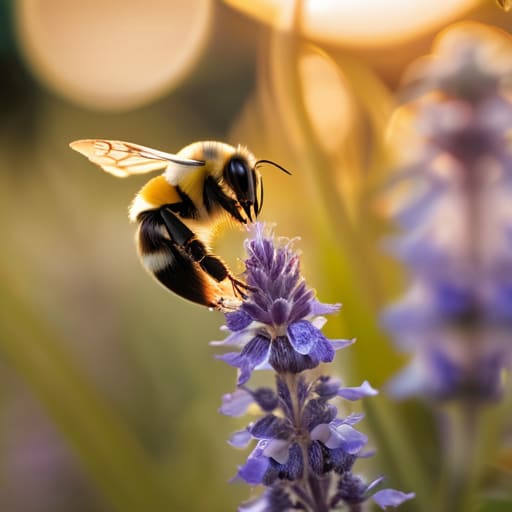
If you’re looking to get serious about the specific species that actually belong in your local patch, don’t just guess based on what looks nice in a nursery catalogue. I’ve learned the hard way that planting something just because it’s colourful is a quick way to end up with a garden that looks fine but offers zero actual value to the insects trying to survive a dry spell. It’s much more efficient to use a reliable database to cross-reference what’s native to your specific region; I often find myself checking ukslags.co.uk when I’m trying to figure out which plants will actually stand up to the local conditions without needing constant intervention. It saves you the heartbreak of a dead garden and, more importantly, ensures you aren’t wasting precious energy on plants that the local pollinators can’t even use.
Most people approach gardening like they’re decorating a room—they pick the colors they like and hope for the best. But if you’re serious about native plant gardening for bees, you have to stop thinking about aesthetics and start thinking about biology. A bee doesn’t care if a flower is a pretty shade of pastel; it cares about the caloric density of the nectar and whether that plant actually belongs in your specific soil and climate. I’ve spent years tracking bird movements in the hills, and I can tell you that everything in nature is a chain of dependencies. If you plant something exotic that looks nice but offers no nutritional value, you aren’t building a habitat; you’re just putting out an empty plate.
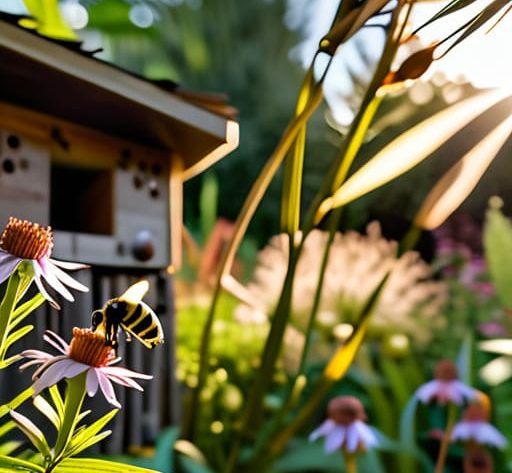
To actually make a difference, you need to focus on the structure of the garden. This means more than just a patch of wildflowers; it means providing insect nesting sites in backyard spaces, like leaving a small patch of bare, undisturbed earth or a pile of old wood. Don’t be too tidy. A perfectly manicured lawn is a biological desert. If you want to support local bee populations, you have to embrace a little bit of the mess that nature requires to actually function.
The Practical Benefits of Nectar Rich Flowers in Bad Weather
When I’m out on a ridge in a gale, I learn very quickly that survival isn’t about the sunny afternoons; it’s about having enough energy reserves to weather the sudden shifts. Pollinators operate on the same principle. In my twenty-two years outdoors, I’ve seen how a sudden cold snap or a week of heavy rain can decimate local insect numbers if there isn’t a reliable food source waiting for them. This is where the real benefits of nectar-rich flowers come into play. It isn’t just about the visual appeal; it’s about providing a high-calorie fuel station that keeps them alive when the conditions turn foul.
If you are serious about supporting local bee populations, you have to think about the timing of that nectar. A garden that only blooms in a single, glorious burst of June is a trap; once that window closes, the insects are left stranded. You need a staggered succession of blooms that provides a steady supply of energy from early spring through to the first frosts. I’ve spent years tracking bird movements and insect cycles, and the lesson is always the same: consistency is what prevents a population crash when the weather stops cooperating.
Stop Cleaning Up: Practical Moves for a Working Habitat
- Leave the dead stalks alone. I’ve spent years watching how insect larvae overwinter in hollow stems, and if you come through with the shears the moment the first frost hits, you’re effectively clearing out the nursery. Wait until late spring to tidy up; those “messy” stalks are structural support for the next generation.
- Build for the gaps in the calendar. A garden that looks great in July but is a barren wasteland in March is a failure. I look at my own planting schedule the way I look at a weather forecast: I need coverage for the early spring emergers and the late autumn foragers. If you don’t have something blooming when the temperature drops, you’re leaving them hungry.
- Ditch the perfection for some bare earth. Most people want a manicured lawn, but many solitary bees don’t want a flower—they want a place to dig. I’ve left patches of sandy, unmulched soil in my garden specifically because they provide the nesting sites that a thick layer of decorative woodchips would just smother.
- Water isn’t just for you. In a dry spell, a shallow dish of water with some pebbles or marbles in it is essential. The stones give the insects a landing pad so they can drink without drowning. I’ve seen more activity around a simple pebble tray than a fancy birdbath during a heatwave.
- Think in layers, not just rows. In the field, you don’t just see grass; you see scrub, canopy, and understory. Your backyard should mimic that. Mix your low-growing groundcovers with mid-height perennials and whatever shrubs you can manage. It creates the microclimates—those little pockets of shelter from wind and rain—that pollinators actually need to survive a bad afternoon.
Small Steps, Long-Term Gains
At the end of the day, building a habitat isn’t about achieving some aesthetic perfection you see in a glossy magazine. It’s about the logistics of survival. It’s about ensuring you have the right native species to provide a steady nectar supply when the wind picks up, and making sure you aren’t stripping away the “messy” bits—the dead wood and the leaf litter—that provide essential shelter. If you focus on diversity in bloom times and providing structural cover, you aren’t just planting a garden; you are building a functional corridor. It’s the difference between a temporary stopover and a reliable refuge that can actually withstand a difficult season.
I’ve spent two decades watching how weather and habitat dictate what lives and what disappears. Nature doesn’t need us to be master gardeners; it just needs us to stop making life unnecessarily difficult for the species already trying to navigate our landscapes. You don’t need a massive estate to make a difference—even a small, well-managed patch of native groundcover can become a vital waypoint. Just start where you are, be patient with the process, and remember that the most successful habitats are the ones that are allowed to be a little bit unpredictable and wild.