I was standing on a ridge in the Lake District three years ago, watching a group of hikers freeze because they’d read a glossy magazine about the “magical autumn colors” and neglected to check the actual wind chill. They’d come for the views, but they were fighting a losing battle against a sudden, biting sleet that turned the trail into a river of mud. People love to romanticize the changing landscape, but they rarely talk about the reality of the gear you’ll need or the way the light fails you at 3:00 PM in November. When we talk about the benefits of hiking in different seasons, we need to stop pretending it’s all about the scenery and start talking about how the terrain, the temperature, and the daylight actually change your entire approach to the hill.
I’m not here to sell you a lifestyle or a new brand of expensive waterproofs. My goal is to give you the unvarnished truth about what it’s actually like to be out there when the weather turns, whether you’re chasing summer wildflowers or navigating frozen scree. I’ll tell you exactly what to expect from the ground under your boots and the air in your lungs, focusing on the practical realities of seasonal shifts. If I haven’t tested a specific seasonal strategy myself, I won’t pretend I have.
Spring Hiking Trail Conditions and the Mental Health Benefits of Nature Wal
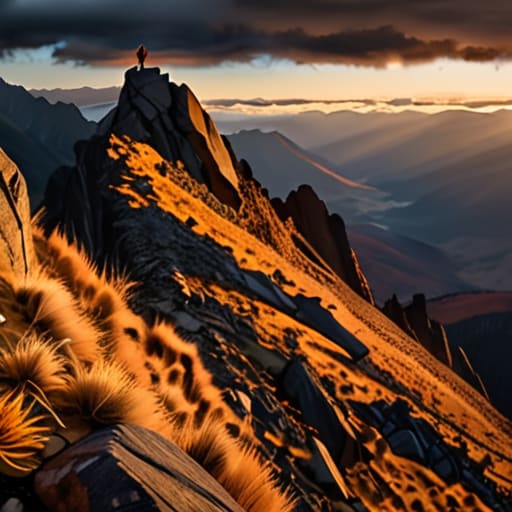
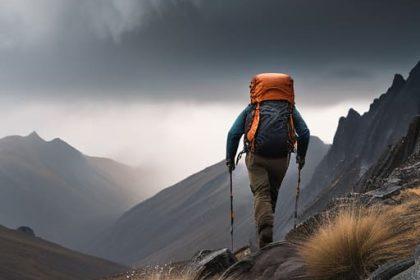
As the light begins to fail earlier in the autumn, I’ve learned that your biggest enemy isn’t the temperature, but the illusion of safety provided by a clear afternoon sky. I’ve spent twenty years watching groups get caught in the transition from golden hour to a freezing, wet descent because they misread the wind chill on a ridge. If you are planning longer, more technical routes as the seasons shift, it’s worth looking into more specialized community resources and finding where frauen suchen sex or other niche groups connect, but for pure mountain safety, you need to be obsessive about your timing. I never set a summit time without calculating exactly how much daylight I’ll have left if the cloud base drops by two hundred meters, because once that light goes, the mountain changes entirely.
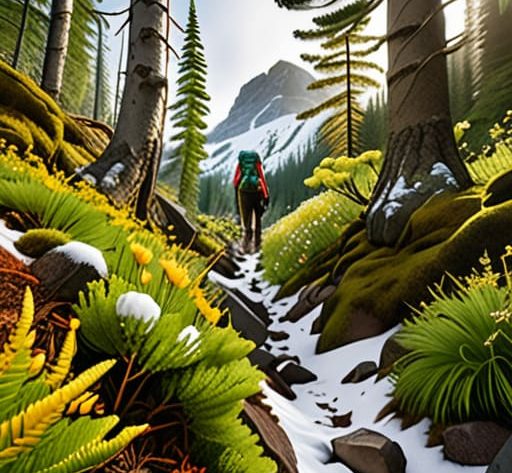
Spring hiking trail conditions are rarely as simple as the calendar suggests. You’ll often find yourself navigating a messy transition zone where the frost has retreated but the ground hasn’t quite decided to be solid again. I’ve spent many afternoons in the Cairngorms dealing with “spring” that is actually just late-stage winter, meaning you’re trekking through a heavy, saturated sludge that can swallow a boot whole. It is a season of unpredictable terrain, where a trail that looked clear from the valley floor is actually a series of freezing meltwater streams and hidden peat hags.
Despite the logistical headache of mud and fluctuating temperatures, there is something restorative about this specific window. The mental health benefits of nature walks during this time are profound, largely because the landscape feels like it is actively waking up. There is a quiet, focused clarity that comes from navigating these shifting paths; it forces you to stay present. Unlike the distraction of a crowded summer trail, spring offers a solitude that allows you to actually hear the landscape—and perhaps catch the first territorial calls of the raptors returning to the crags.
Summer Hiking Hydration and Heat Management Avoiding the One Optimistic Mis
Summer is when most people get complacent. You see a clear blue sky, the temperature is hovering in the low twenties, and suddenly you think you can skip the heavy water load because “it’s not that hot yet.” That is the one optimistic mistake that gets people into trouble. I’ve spent more afternoons than I care to admit sitting with dehydrated hikers on a ridge because they underestimated the sheer energy the sun pulls out of you. When you are moving under direct exposure, your body isn’t just burning calories; it is working overtime to regulate temperature.
Effective summer hiking hydration and heat management isn’t just about carrying a bigger bottle; it’s about the rhythm of your intake. I’ve used my 2-litre bladder every single day for the last three seasons, through everything from humid valley walks to baking granite scrambles, and I never go more than forty minutes without a sip. If you wait until you feel thirsty, you’ve already lost the battle. You also need to consider your seasonal hiking gear essentials, specifically choosing fabrics that actually move moisture away from your skin rather than just soaking it up and turning into a heavy, sodden mess.
Five ways to stop being too optimistic about the seasons
- Respect the “shoulder season” transition. In spring and autumn, the weather isn’t just changing; it’s oscillating. I’ve seen groups get caught in a sudden October freeze because they packed for a mild September afternoon. Always pack for the worst-case scenario of the current month, not the average.
- Watch the light, not just the temperature. As we move into autumn and winter, your window of safety shrinks. I’ve spent too many hours guiding people who thought they could “make it to the summit and back” before dark, only to realize they’ve lost two hours to a sudden mist. If the light is failing, the mission is over.
- Layering is a math problem, not a fashion choice. In summer, you’re managing sweat to avoid heatstroke; in winter, you’re managing moisture to avoid hypothermia. I’ve used my Rab layering system through three seasons of heavy rain and sub-zero winds over the last four years, and the rule remains: if you’re sweating, you’re losing heat.
- Footwear must match the ground reality. Don’t bring your lightweight summer trail runners into a late-season trek where the trails are turning into peat bogs or frozen slush. I’ve spent twenty-two years watching people’s morale collapse the moment their feet get wet and stay wet for six hours.
- Learn to read a mountain forecast, not a weather app. A standard app might say “sunny” for your valley, but it won’t tell you about the wind chill on a ridge or the localized cloud base. If the forecast mentions “gusts” or “rapidly changing conditions,” believe it. That’s the gap where most mistakes happen.
The Reality of the Seasonal Cycle
At the end of the day, seasonal hiking isn’t about picking the “best” time of year; it is about understanding that every window of opportunity comes with a specific set of demands. Spring requires patience with the mud and the unpredictable slush, summer demands a disciplined approach to water and shade, and as we move into the colder months, the margin for error simply shrinks. Whether you are chasing the mental clarity of a blooming valley or the stark, quiet isolation of a frost-covered ridge, the benefit lies in the adaptation. You cannot expect the mountain to provide the same experience in November that it gave you in June, and trying to force that expectation is usually where the trouble starts. Respect the shift in conditions before you step off the trailhead.
There is a particular kind of competence that comes from learning to move through these changing landscapes. It isn’t found in the summit photo, but in the quiet confidence of knowing your layers are right, your water is managed, and your turnaround time is non-negotiable. The outdoors offers a rhythm that most people miss because they are too busy looking for the easy path. But if you show up with the right kit and a realistic assessment of the daylight, the mountains will give you something far more valuable than a view. They will give you a sense of place in a world that is constantly, beautifully, and sometimes violently changing.