I’ve spent more hours than I care to count squinting through cheap, high-magnification glass only to realize I’ve missed the actual bird because the image was shaking like a leaf in a gale. There is this persistent, expensive myth that more zoom equals a better view, but if you’re trying to track a peregrine falcon on a gusty ridge, a 12x magnification is just a recipe for a splitting headache. When people ask me how to choose binoculars for wildlife, they’re usually looking for the most expensive spec sheet, when they should actually be looking for stability and light transmission.
I am not here to sell you on a shiny marketing brochure or a brand name that costs more than my first car. Instead, I’m going to tell you what actually matters when you’re standing in a damp field at 6:00 AM, waiting for a nest to stir. I’ll talk about weight, field of view, and why that “professional” kit might actually be a burden on your neck after four hours of trekking. If I haven’t carried a specific model through a heavy mist or a long ascent, I won’t tell you it’s worth your money.
Table of Contents
Why Objective Lens Diameter Importance Actually Matters on the Ridge
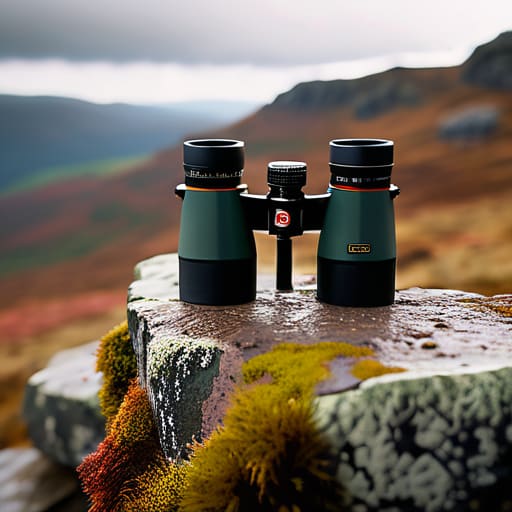
When you’re standing on a wind-scoured ridge in the Cairngorms, the math changes. You’ll see people obsessing over magnification, but if you go too high without enough light, you’re just looking at a dark, blurry mess. This is where objective lens diameter importance actually hits home. A larger lens—say, a 42mm compared to a 25mm—acts like a bigger bucket for light. I’ve spent countless hours tracking peregrines in the low, grey light of late autumn, and if my glass doesn’t have the aperture to pull in that meager light, I might as well be looking through a straw.
The trade-off, of course, is weight. I’ve carried 8x42s through three days of heavy pack-carrying in the Lake District, and while they are much easier on the eyes for spotting movement, they do add a noticeable gram-count to your kit. If you’re chasing optical clarity and resolution to identify a bird at a distance, you need that diameter to compensate for the gloom. Just don’t pick a pair so heavy that you end up leaving them in the van because your neck is aching.
Finding the Right Field of View for Birdwatching in Thick Brush
If you’re out in the scrub or working through a dense woodland edge, a narrow field of view is your worst enemy. I’ve spent many a morning trying to track a wren through thick gorse, only to have the bird dart behind a branch the second I thought I had it centered. If your field of view for birdwatching is too tight, you aren’t actually observing; you’re just playing a frustrating game of hide-and-seek. You want a wider window so that when the movement happens, you actually see the bird enter the frame rather than just seeing a blur of green.
It’s a trade-off, though. Usually, the wider the view, the more you might sacrifice in terms of magnification or stability. I’ve carried a pair of 10x42s for five years through everything from the Lake District mist to the dry heat of the Peak District, and while they are my daily drivers, I’ve learned that wider is often better when you’re working in cluttered environments. If you’re constantly scanning through brambles or thicket, don’t get seduced by high magnification; you’ll likely lose the bird before you even realize it’s moved.
Five things that actually matter when you're staring through the glass
- Stop chasing magnification like it’s a trophy. I’ve spent countless hours on the Lakeland ridges with 10x42s, and honestly, if you go up to 12x or 14x, the slightest tremor in your hands—especially when you’re cold or tired—will make the image dance more than a frantic wren. Stick to 8x or 10x; it’s more stable and gives you a wider field to actually find the bird before it moves.
- Weight isn’t just a number on a spec sheet; it’s how your neck feels at 4:00 PM after a six-mile ascent. I’ve carried a pair of heavy, high-end glass for a three-day trek in the Cairngorms, and by day two, they felt like lead weights. If you can’t hang them around your neck for six hours without wanting to ditch them in a gully, they aren’t the right binoculars for you.
- Check the eye relief if you wear glasses. I’ve seen too many people struggle with “professional” optics only to realize they can’t actually get their eyes close enough to the lens to see the full field of view. If you’re a glasses wearer, look for long eye relief—I’ve used the Leica Ultras for five years in varying light, and the eye relief is one of the few things that keeps me from squinting and getting a headache.
- Don’t trust the “waterproof” label without looking at the seals. I’ve been caught in horizontal rain in the Peak District that would soak a stone, and if your binoculars aren’t truly nitrogen-purged, you’ll end up with internal fogging that makes the glass useless exactly when the weather turns. If you can’t see the bird because your own lenses are misting up, the magnification doesn’t matter.
- Test the focus wheel under pressure. It sounds silly until you’re trying to track a peregrine moving through a gap in the trees. You want a focus dial that is smooth but firm—something you can operate with gloves on or when your fingers are numb from the wind. I haven’t found a single pair that works perfectly in sub-zero conditions without a bit of a struggle, so look for something that feels robust, not delicate.
The weight of a bad decision
I’ve seen too many people obsess over magnification numbers on a spec sheet, only to realize halfway up a scree slope that they’re carrying two pounds of glass they can’t actually stabilize because their hands are shaking from the cold. If you can’t hang them around your neck for six hours without your shoulders screaming, you won’t be looking at the birds; you’ll be looking for the quickest way to ditch them.
Bridget Halloran
Making the final call
At the end of the day, choosing binoculars isn’t about finding the most expensive glass on the shelf; it’s about finding the tool that fits your specific way of moving through the landscape. You have to weigh that objective lens diameter against the weight in your pack, and you have to decide if you need the wide field of view for scanning thick scrub or the magnification for a distant ridge. I’ve spent twenty years watching people make the mistake of buying for the idealised version of their hobby, only to find that their gear is too heavy or too fiddly when the wind picks up and the light starts to fail. If the weight makes you want to leave them in the van, or if the lack of light transmission means you’re staring at grey blobs instead of a Merlin’s plumage, then they aren’t the right pair for you.
Just remember that the best binoculars in the world won’t matter if you’re too exhausted or too distracted by your own kit to actually look up. The goal is to get to a point where the equipment becomes an extension of your eyes, something that sits quietly around your neck while you focus on the movement in the canopy or the silhouette against the clouds. Don’t let the pursuit of technical perfection become another thing you have to manage. Get the right balance, trust your gut, and then get out there and see what the hills are actually doing.
Frequently Asked Questions
If I'm choosing between a lighter pair and a brighter one, how much weight am I actually going to feel after six hours of climbing?
You’ll feel it. I’ve carried a pair of 42mm glass through three days of heavy mist in the Cairngorms, and by hour six, that extra fifty grams feels like a stone tied to my neck. If you’re doing vertical gain, take the lighter pair. You can always compensate for a slightly dimmer image by being more patient with your light, but you can’t negotiate with a sore neck when the wind is hitting you at forty knots.
Will a pair of 8x42s actually work for spotting raptors in the distance, or am I going to be frustrated by the lack of magnification?
You’ll be fine, provided you aren’t expecting to count the feathers on a peregrine from three miles away. I’ve used my 8x42s through roughly four years of damp, grey Lakeland mornings, and they are my go-to for a reason. The extra magnification of a 10x can make the image dance too much when you’re steadying them against a gusting ridge. Stick to the 8x; the stability and light transmission are worth more than a bit of extra zoom.
How do I know if the waterproofing is actually going to hold up in a proper Lakeland downpour, rather than just a bit of mist?
If you’re looking at a spec sheet, ignore the “water-resistant” labels. In the Lake District, that’s just code for “you’ll be wet in twenty minutes.” I’ve spent fifteen years testing hardshells in driving rain that feels like being hit with a hose. Don’t trust a brand; look for a high hydrostatic head rating and, more importantly, taped seams. If the seams aren’t fully taped, that Lakeland downpour will find its way to your skin every single time.