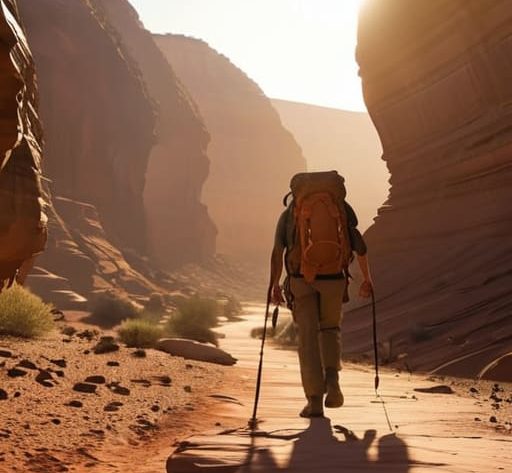
I remember a group I was leading in the Cairngorms back in 2014—not a bad group, just a bit too optimistic about the afternoon’s temperature. We were halfway up a steep, rocky scramble when one of the younger lads realized he’d only brought a single 500ml bottle because he “didn’t want the extra weight.” By the time we reached the plateau, the wind had picked up, the sun had dropped behind a wall of grey, and he was staring at an empty bladder with a look of pure, dehydrated panic. People spend far too much time obsessing over ultralight gear and not nearly enough time calculating how much water to carry for the actual reality of the terrain. Optimism is a dangerous thing when your mouth feels like it’s full of wool and you’re still four hours from the nearest stream.
I’m not here to give you a generic mathematical formula from a fitness blog that assumes you’re walking on a treadmill in a climate-controlled gym. I’m going to tell you how to calculate your supply based on actual variables—elevation gain, temperature shifts, and the specific reliability of your water sources. I’ll share what I’ve learned from twenty-two years of carrying my own weight through rain and heat, focusing on the margin for error you need to stay safe.
Table of Contents
Water Weight Calculation for Backpacking and the Cost of Being Wrong
When you’re looking at a water weight calculation for backpacking, you have to stop thinking in terms of “thirst” and start thinking in terms of grams and liters. A liter of water is a kilogram. That is a heavy, uncompromising physical reality that sits on your shoulders from the moment you leave the trailhead. I’ve seen too many people try to shave weight by carrying only what they think they’ll need for the afternoon, only to find that a sudden temperature spike or a grueling ascent has completely changed their metabolic math.
The cost of being wrong isn’t just a headache; it’s a decision-making failure. If you are under-hydrated, your judgment slips. I’ve sat with clients on a ridge in the Lake District who were making dangerous navigation errors simply because they were dehydrated. You aren’t just managing a liquid; you are managing your cognitive margin for error. If your route involves long stretches between reliable sources, you need to account for calculating fluid loss during exercise based on the actual exertion of the day, not just a generic estimate. Don’t let a desire for a lighter pack turn into a heavy penalty when the weather turns.
Calculating Fluid Loss During Exercise to Avoid the Sudden Wall
You can’t just look at a weather report and assume your thirst will follow a linear path. I’ve seen too many people hit a physical wall on a steep ascent because they treated hydration like a static number rather than a moving target. Calculating fluid loss during exercise isn’t about math for the sake of math; it’s about understanding that your body is a cooling engine that works harder as the incline increases. If you are pushing a heavy pack up a scree slope in thirty-degree heat, your sweat rate isn’t just doubling—it’s spiking.
I’ve spent twenty years watching people misjudge this. They start the day feeling fine, but by the time they hit the ridge, they are already in a deficit. You need to factor in your metabolic heat production alongside the ambient temperature. If you’re moving through high-altitude terrain where the air is thin and dry, you’re losing moisture through respiration without even realizing it. Don’t wait for the headache or the dizziness to tell you you’re empty; by then, your decision-making is already compromised, and that is when the mistakes happen.
Five Practical Rules for When the Water Runs Dry
- Don’t trust a map’s blue lines; I’ve spent too many afternoons staring at a ‘reliable’ spring that turned out to be a muddy trickle after a dry spell. Always assume your planned refill point is a gamble and carry enough to reach the next one even if you have to take the long way around.
- Pack for the temperature you’ll actually face at 3,000 feet, not the one you see on your phone at sea level. I’ve seen people carry light because it’s 15°C in the valley, only to realize halfway up a ridge that the wind chill is dropping their core temp and increasing their thirst faster than they can swallow.
- If you are carrying a lightweight bladder, test it on a long, humid day before you commit to a multi-day trek. I’ve used my current 2L bladder for three seasons of heavy trekking in various climates, and while it’s reliable, it’s useless if you haven’t practiced the habit of sipping frequently rather than gulping when the thirst finally hits.
- Treat your water weight as a non-negotiable part of your kit, not an optional extra. It’s tempting to shave grams off your pack when the ascent looks steep, but that’s exactly when your body will demand the most fluid to keep your muscles moving and your head clear.
- Always carry a way to make questionable water safe; weight is a secondary concern to a bout of giardia. I never leave the trailhead without my lightweight filtration squeeze, which I’ve used through hundreds of miles of questionable mountain streams, because the “cost” of a liter of water is nothing compared to the cost of being incapacitated in a remote area.
The Math of Dehydration
“I’ve seen too many people treat their water supply like a suggestion rather than a hard limit. You can recalculate your route, and you can certainly adjust your pace, but you cannot negotiate with a body that has run out of fluid; once that physiological debt comes due on a ridge, it doesn’t matter how much grit you have.”
Bridget Halloran
The Margin Between Planning and Reality
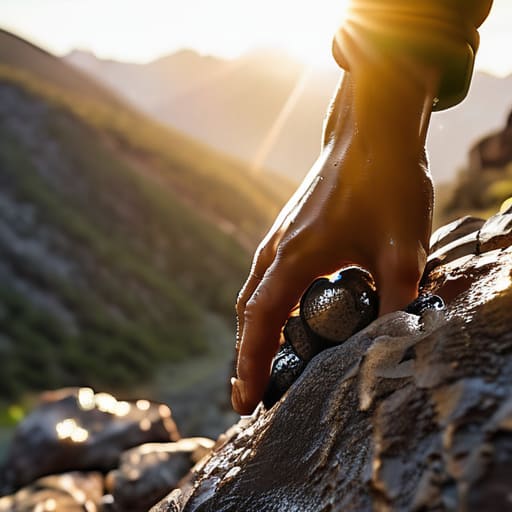
At the end of the day, calculating your water needs isn’t about finding a perfect mathematical formula; it is about building a buffer against the unpredictable. You have to account for the unexpected heat of a valley floor, the extra exertion of a steep scramble, and the reality that your body will demand more when you are tired. If you base your entire supply on a best-case scenario, you are essentially gambling with your safety. I have seen too many people reach a high ridge only to realize that their optimistic estimate didn’t account for a sudden temperature spike or a missed water source. Always aim to carry that extra litre, because the weight of a full bladder is far easier to manage than the weight of dehydration when you are miles from the nearest stream.
Ultimately, respecting your water supply is just another way of respecting the mountain. The hills don’t care how well you’ve planned, but they certainly punish those who ignore the basics of physiological need. When you step out onto the trail, do so with the understanding that your preparation is what allows you to actually enjoy the view rather than just surviving the trek. Carry enough to keep your head clear and your legs moving, and you will find that the true freedom of the outdoors comes from knowing you have the resources to handle whatever the weather throws at you.
Frequently Asked Questions
How do I balance the weight of extra water against the need for a lighter pack when the forecast looks stable?
The temptation to shave grams when the clouds look settled is how people end up dehydrated and making poor decisions by mid-afternoon. I’ve carried the Osprey Talon 22 for six years in everything from dry heat to soaking rain; it’s stable, but it won’t make up for a lack of foresight. If the forecast looks stable, carry the extra liter. The weight penalty is negligible compared to the physical cost of a deficit.
What are the most reliable ways to treat water from mountain streams without carrying heavy filtration systems?
If you’re trying to shave weight, don’t rely on chemical tablets alone; they take time, and time is something you rarely have when a storm is rolling in. I’ve used Katadyn Micropur tablets for over five years in temperate conditions, but they won’t touch everything. If you aren’t carrying a filter, carry a lightweight titanium pot. Boiling is the only way I trust to ensure nothing survives, even if it adds a few minutes to your stop.
At what point in a descent should I start rationing my remaining water to ensure I don't hit a deficit before reaching the car?
You don’t ration water; you manage your deficit. If you start sipping tiny amounts to “make it last,” you’re just inviting a headache or a lapse in concentration right when the terrain gets technical. I’ve seen people stumble on scree because they were too dehydrated to think straight. Check your levels at the final summit or the highest ridge point. If you’re running low, use that as your cue to move efficiently and get to the car.