I once spent six hours huddled under a granite overhang in the Cairngorms, watching a client try to “power through” a mounting headache with nothing but sheer willpower and a handful of ibuprofen. They thought they could outrun the thinning air, but altitude doesn’t care about your fitness levels or your grit. Most people approach high-altitude planning by looking for a magic pill or a fancy gadget, but a complete guide to altitude isn’t about buying your way out of a physiological reality; it’s about recognizing the subtle, creeping shift from “feeling a bit tired” to losing your ability to make safe decisions.
I’m not here to sell you on expensive supplements or high-tech breathing trainers that I haven’t personally vetted in the field. Instead, I’m going to give you the unvarnished truth about how your body actually reacts when the oxygen drops, how to spot the early warning signs before they turn into a rescue mission, and how to pace your ascent so you aren’t fighting your own lungs halfway up a ridge. This is the practical, boring, and essential knowledge that keeps you moving when the weather turns and the air gets thin.
Table of Contents
Understanding Oxygen Levels at High Elevation
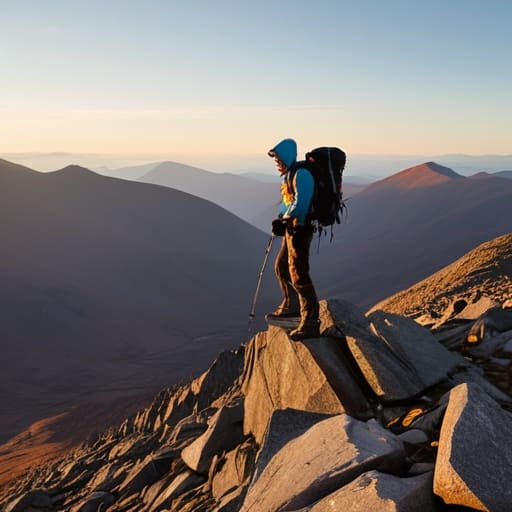
People tend to talk about oxygen as if it’s disappearing, but that’s not quite right. The percentage of oxygen in the air stays the same; it’s the atmospheric pressure that drops, meaning each breath you take contains fewer molecules than it would at sea level. I’ve spent many a long afternoon on the ridges of the Cairngorms where the air feels thin enough to chew, and that’s when the physiological reality sets in. Your body has to work significantly harder just to maintain basic functions, and if you ignore that extra effort, you’re inviting trouble.
Understanding hypoxia symptoms and prevention is the difference between a successful summit and a frantic descent. It starts subtly—a slight headache, a bit of confusion, or feeling unusually winded by a slope that usually feels easy. If you push through that mental fog, you risk moving into much more dangerous territory, like high altitude pulmonary edema, where fluid begins to build up in the lungs. I don’t care how much you paid for your lightweight kit; no amount of high-end gear can compensate for the biological reality of declining oxygen levels at high elevation.
Hypoxia Symptoms and Prevention You Cant Ignore
The problem with hypoxia is that it doesn’t always feel like an emergency; it feels like a slow, creeping fog. You’ll find yourself staring at a map, realizing you’ve been reading the same line for three minutes, or you’ll notice a slight, uncharacteristic clumsiness in your step. I’ve sat by many a stove in the Cairngorms watching a client try to explain a simple knot while their speech trailed off into nonsense. These hypoxia symptoms and prevention strategies aren’t just academic—if you start feeling a dull, throbbing headache that won’t quit with hydration, or if you feel uncharacteristically euphoric despite the freezing wind, your brain is telling you it’s starving.
Don’t mistake a heavy head for simple fatigue. If you notice a persistent cough or a crackling sensation in your chest, you might be looking at the onset of high altitude pulmonary edema, which is a much more violent way to end a trip. While some people rely on altitude sickness medication to push through, I’ve learned that no pill is a substitute for knowing when to stop. The most effective way to manage risk is to understand how to acclimatize to high altitude by moving slow, staying hydrated, and—most importantly—having the discipline to descend the moment the symptoms stop feeling like “just being tired.”
The Practical Reality: Five Ways to Not Let Altitude Catch You Out
- Respect the ascent rate. I’ve seen too many people try to blitz a climb to reach a summit by noon, only to spend the afternoon shivering in a tent because their bodies haven’t adjusted. If you are moving up, move steadily. I’ve spent twenty years watching people try to outrun physiology, and the mountain always wins.
- Hydration isn’t just about thirst. At altitude, the air is bone-dry and your breathing rate increases, meaning you’re losing moisture constantly without realizing it. I carry a 2-litre bladder that I’ve used every single season for five years; if you aren’t sipping consistently from the start, you’re already behind the curve.
- Eat more than you think you need. Digestion becomes a chore when oxygen is low, but your body is burning fuel at an accelerated rate just to keep your core temperature stable. Don’t wait for a hunger cue that might not come; keep small, calorie-dense snacks in your hip belt pockets and eat every hour.
- Watch your companions, not just your GPS. Hypoxia makes people stupid, and it makes them stupid very quickly. I always look for the “quiet” person in the group—the one who has stopped joking or has become uncharacteristically irritable. That’s usually the first sign that the air is getting too thin for their current pace.
- Trust your gut over the forecast. A weather report might say “clear skies,” but a clear sky at 3,000 metres is a different beast than a clear sky in the valley. If you feel a headache coming on or your breathing feels heavy despite the calm, that is your signal to descend. There is no shame in turning back; there is only stupidity in staying up.
The Illusion of the Summit
People treat altitude like a destination you arrive at, but it’s actually a negotiation you have to maintain every single step of the way. I’ve seen too many hikers treat a thinning atmosphere like a personal challenge to be overcome with sheer willpower, forgetting that your lungs don’t care about your ego—they only care about the pressure gradient.
Bridget Halloran
The Reality of the Ridge

At the end of the day, managing altitude isn’t about mastering some complex physiological formula; it’s about respecting the basic mechanics of your own body. You have to listen to the subtle signs—the slight headache, the uncharacteristic clumsiness, or that feeling of being unusually breathless even when you aren’t pushing hard. We’ve talked about the science of oxygen and the symptoms of hypoxia, but the practical takeaway is simple: if you feel off, you stop, you hydrate, and you assess. Don’t let your ego or your itinerary override the physical reality of the thin air. I have seen too many people push through a manageable symptom only to find themselves facing a medical emergency when the sun goes down and the temperature drops. Preparation and humility are your most important pieces of kit when the elevation starts to climb.
The mountains aren’t going anywhere, and they certainly don’t care about your summit goals. There is a specific kind of quiet satisfaction in turning back ten minutes before the peak because you realized your breathing was too shallow or your head was spinning. That isn’t failure; it’s smart leadership of your own life. When you learn to read your body with the same precision you use to read a weather forecast or a raptor’s nesting site, the high places become much more accessible. Respect the altitude, watch your pace, and remember that the best way to enjoy the view is to ensure you are healthy enough to walk back down and see it again tomorrow.
Frequently Asked Questions
How much weight should I actually add to my pack if I'm planning to carry supplemental oxygen or specific altitude medications?
Don’t overthink the math; focus on the stability. I’ve carried a small canister of supplemental oxygen on a three-day trek in the Andes—it added about 1.2kg to my base weight—and the real issue wasn’t the weight, it was the shifting center of gravity. If you’re carrying meds, keep them in a dedicated, accessible pocket. Don’t add weight just because you’re nervous; add exactly what is required to stay functional when the air thins.
At what point does a headache stop being "part of the climb" and start being a reason to turn around immediately?
If the headache doesn’t respond to hydration and ibuprofen, or if it’s accompanied by a loss of coordination—that “drunken” stumble—you turn around. I’ve seen people try to “push through” a dull throb, only to find themselves unable to walk a straight line an hour later. If you’re feeling nauseous or your breathing feels heavy even when resting, the climb is over. Don’t negotiate with your brain; just descend.
How do I distinguish between the onset of altitude sickness and simple dehydration or exhaustion after a long day on the ridge?
The trick is the headache and the mood. Dehydration usually clears up after twenty minutes of sipping water and eating something salty; altitude sickness won’t touch that. If you’re feeling “off,” dizzy, or uncharacteristically irritable despite drinking and resting, assume it’s the altitude. I’ve seen people sit through a sunset thinking they’re just tired, only to wake up at 2:00 AM unable to stop vomiting. If the water doesn’t fix the fog, start descending.