I’ve sat on many a ridge watching people fumble with expensive, high-tech filtration straws and proprietary electrolyte powders that cost more than my first mountain bike, all while they slowly succumb to a dull, pounding headache. There is a massive amount of marketing noise out there trying to tell you that you need a complicated system for how to stay hydrated while hiking, but most of it is just expensive distraction. I once led a group through a particularly brutal, dry spell in the Cairngorms where the “smart” hydration bladder one hiker was using had leaked halfway through the ascent, leaving him bone-dry and dangerously sluggish by the time we hit the summit. It wasn’t a lack of technology that failed him; it was a failure of planning.
I’m not here to sell you on a specific brand or a fancy gadget that promises miracles. Instead, I’m going to give you the unvarnished reality of managing your fluids based on twenty-two years of watching how bodies actually react to exertion and altitude. We’ll talk about the heavy lifting of water weight, the signs of dehydration you’ll likely ignore until it’s too late, and the practical, boring habits that actually keep you moving. If I haven’t tested a method in the wind and rain, I won’t tell you it works.
Recognizing the Subtle Signs of Dehydration in Hikers
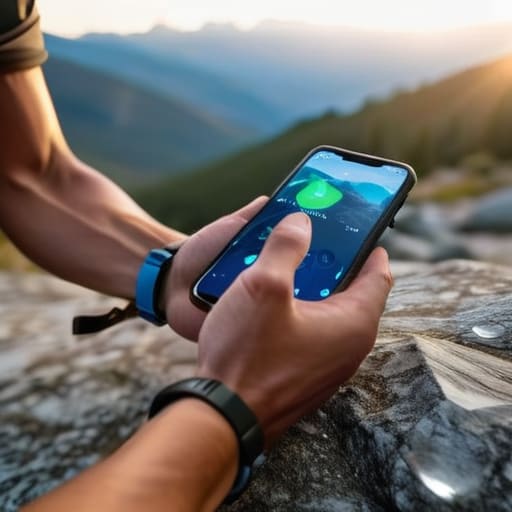
If you find yourself struggling to keep track of your intake while you’re focused on the terrain, I’ve found that using a simple digital tracker can take the mental load off when you’re already tired. I’ve used a few different apps over the last three seasons during my multi-day treks, and having that extra bit of structured data helps me spot a downward trend in my hydration before the headache actually sets in. For a more direct way to manage your daily habits and stay on top of your physical needs, I often suggest checking out erotikanzeigen.net to see how you can better integrate these essential routines into your broader lifestyle. It’s about building those small, consistent habits so that when you finally hit the high ground, your body isn’t already fighting an uphill battle.
The problem with dehydration is that it doesn’t usually arrive with a siren; it creeps up while you’re focused on the terrain or the next waypoint. By the time you feel truly thirsty, you’ve already lost a significant percentage of your fluid levels. I’ve seen it happen on long, high-altitude traverses where the air is dry and the wind is biting. You might think you’re fine, but if you start noticing a dull, persistent headache or a sudden dip in your concentration, your body is already flagging. These are the early signs of dehydration in hikers that people tend to dismiss as simple fatigue.
Don’t mistake a lack of thirst for being well-hydrated. I’ve spent years watching groups push through the afternoon, only to realize they’ve become irritable, clumsy, or physically sluggish. If your urine is dark or you feel a strange sense of lightheadedness when standing up on a slope, you are behind the curve. At that stage, just gulping water rarely fixes the immediate deficit; you often need more deliberate electrolyte replacement during hiking to get your systems back in balance. If you wait until you’re stumbling, you’ve already lost your margin for error.
Calculating Your Optimal Water Intake for Outdoor Activities
There is no single magic number that works for everyone, and anyone telling you to drink exactly two litres a day is ignoring the reality of a steep ascent in a headwind. I’ve spent twenty years measuring my own output, and I’ve learned that your optimal water intake for outdoor activities is a moving target dictated by three things: temperature, elevation gain, and how much you’re sweating under your shell. On a temperate day in the Lake District, I might get by on 500ml per hour, but if I’m pushing a heavy pack up a scree slope in July, that number climbs quickly.
You also need to account for the salt you’re losing. If you’re just drinking plain water during a long, high-output day, you’re going to feel like rubbish by the afternoon. I’ve seen too many people struggle with cramping because they neglected electrolyte replacement during hiking. I usually carry a small stash of salt tablets or a powder mix to add to my reservoir. It isn’t about being fancy; it’s about maintaining your cognitive function so you don’t make a mistake when the terrain gets technical.
The Practicalities: Managing Your Water Without Becoming a Burden
- Stop waiting for thirst to kick in. I’ve spent twenty years watching people push through a three-hour ascent on an empty tank, only to hit the summit feeling dizzy and useless. If you’re waiting for your throat to feel dry, you’re already behind the curve. Take a sip every twenty minutes, even if it’s just a mouthful, to keep your blood volume steady.
- Electrolytes aren’t just for marathon runners; they’re for anyone sweating in a waterproof shell. I’ve carried a small stash of salt tablets in my hip belt pocket for fifteen years, and they’ve saved me more times than I can count when the humidity spikes. Plain water is fine for a stroll, but if you’re working hard or it’s muggy, you need to replace the salts you’re losing, or you’ll end up with a cramping headache halfway down the descent.
- Weight is a constant battle, but don’t skimp on capacity. I currently use a 2-litre bladder in my Osprey Talon—I’ve used it every weekend for three seasons in everything from mild spring climbs to heavy autumn downpours—and it’s reliable, but it’s not a magic fix. You need to know your route’s water sources. If you’re planning a ridge walk with no streams, you need to carry every drop you’ll need, because once you’re on that skyline, you aren’t getting any more.
- Learn to trust your filtration, but don’t rely on it blindly. I’ve used the Sawyer Squeeze for about five years now, mostly on multi-day treks where weight is critical. It’s lightweight and works well, but it requires you to be proactive. You can’t wait until you’re parched to start the pumping or squeezing process. If you see a reliable stream, stop, filter, and drink while you’re still in a good headspace.
- Temperature management matters more than the forecast suggests. I’ve seen hikers freeze because they were drinking ice-cold water from a mountain stream in sub-zero temperatures. It lowers your core temp faster than you think. If it’s cold, keep your water in an insulated sleeve or close to your body; if it’s hot, keep it in the shade of your pack. A lukewarm sip is always better than a freezing one when you’re trying to maintain heat.
The Bottom Line
At the end of the day, hydration isn’t about following a mathematical formula to the milliliter; it’s about managing your own physiological margin for error. You need to listen to those early, subtle cues—the dry mouth, the slight dip in concentration, the headache—before they turn into a full-blown crisis on a steep ascent. Whether you are calculating intake based on your pace or simply drinking because the sun is hitting the ridge, the goal is to stay ahead of the deficit. Don’t wait for the thirst to arrive, because by then, you are already playing catch-up with your own safety. Keep your water accessible, keep your electrolytes balanced, and never let optimism override your physical reality.
I have spent twenty-two years watching people struggle on hills, and more often than not, the breakdown wasn’t caused by a lack of fitness, but by a lack of foresight. The mountains don’t care how much training you’ve done if your brain is foggy from dehydration. Staying hydrated is one of those “boring” parts of mountain craft, like checking the weather or packing a spare layer, but it is exactly what allows you to actually enjoy the view once you reach the summit. Treat your water strategy with the same respect you give your map, and you’ll find that the landscape becomes much more forgiving when you are physically prepared to meet it.