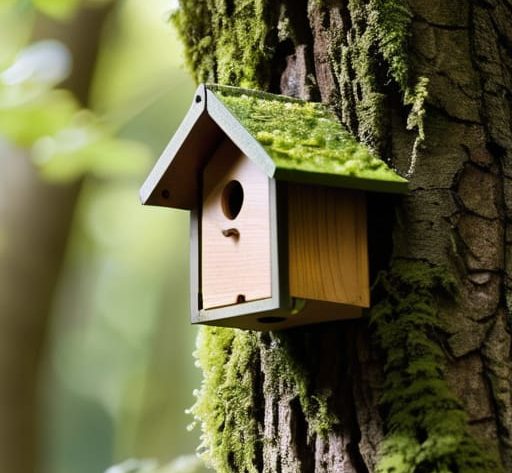
I spent three years as a ranger watching people buy these brightly colored, plastic-molded “designer” bird houses from garden centers, only to see them sitting empty or, worse, becoming a death trap for fledglings during a heavy rain. There is a massive misconception that if you just spend enough money, you’ve solved the problem, but learning how to provide nesting sites isn’t about aesthetics or following a retail trend. If you place a box in a spot that catches the prevailing wind or lacks a clear flight path, you aren’t helping; you’re just creating a high-maintenance obstacle course that the local raptors or songbirds will ignore entirely.
I’m not here to sell you on a lifestyle brand or a fancy gadget I haven’t actually tested in the field. Instead, I’m going to give you the unfiltered reality of what actually works, based on two decades of watching birds claim territory in some of the worst weather the hills can throw at them. We’ll talk about placement, material durability, and why the “perfect” spot is usually the one you didn’t expect. I’ll tell you exactly what I’ve used in my own kit and on the trails, focusing on the practical details that keep a nest secure when the season shifts.
Table of Contents
- Meeting Bird Nesting Habitat Requirements Without the Guesswork
- Optimal Placement for Nest Boxes That Actually Survive the Wind
- Five things I’ve learned from years of watching nests fail (and how to stop it)
- ## The cost of a misplaced box
- Final thoughts before the season shifts
- Frequently Asked Questions
Meeting Bird Nesting Habitat Requirements Without the Guesswork
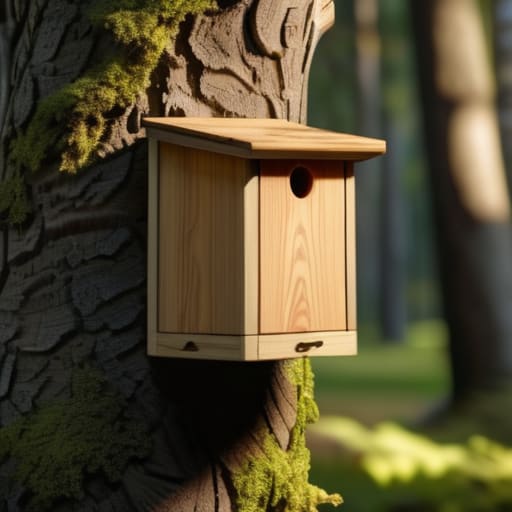
If you want to actually support local species, you have to stop thinking about a nest box as a decorative garden ornament and start treating it like a piece of specialized shelter. Most people I talk to just nail a wooden cube to a tree and call it a day, but they miss the nuances of bird nesting habitat requirements that make the difference between a successful brood and a failed season. You need to consider the microclimate of the specific spot. I’ve spent years watching how a single change in aspect—moving a site from north-facing to south-facing—can turn a usable shelter into a solar oven by mid-afternoon.
The real work lies in the optimal placement for nest boxes relative to the surrounding landscape. It isn’t just about height; it’s about the flight path and the proximity to cover. A box sitting in the middle of an open, exposed lawn is just a buffet for a passing sparrowhawk. You want a site that offers a quick retreat into thicket or scrub, something that feels secure even when the wind starts picking up. If you aren’t accounting for the specific way a bird approaches its home, you aren’t really providing a habitat; you’re just providing a target.
Optimal Placement for Nest Boxes That Actually Survive the Wind
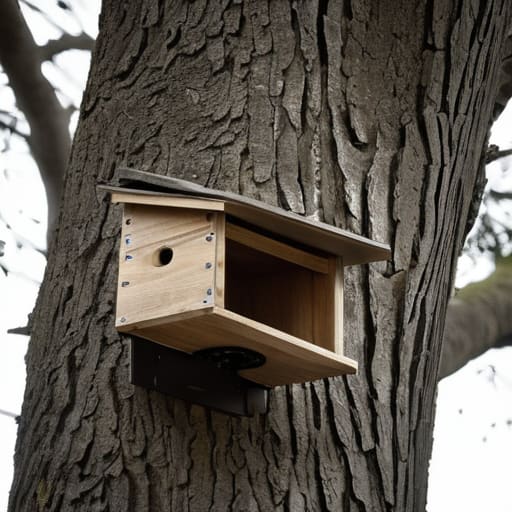
I’ve spent enough mornings on a ridge to know that wind doesn’t just blow; it searches for the weakest point in your setup and exploits it. If you hang a nest box on a thin, whip-like branch, you aren’t providing a home—you’re providing a pendulum. For optimal placement for nest boxes, you need to look for the heavy lifting. I prefer mounting boxes on the trunk of a mature, sturdy tree or attaching them to a solid post driven deep into the ground. I’ve used the same heavy-duty galvanized mounting brackets for six years now, even through several winters of gale-force gusts in the uplands, and they haven’t budged an inch.
You also need to consider the direction of the prevailing wind. I always check the local wind rose before drilling anything; if you face the entrance hole directly into the teeth of a southwesterly gale, you’ll end up with a sodden, freezing mess inside. Aim for a position that offers some natural shelter, perhaps on the leeward side of a thicket or a stone wall. It’s about more than just wildlife conservation in backyards; it’s about ensuring the structure survives long enough to actually be useful.
Five things I’ve learned from years of watching nests fail (and how to stop it)
- Stop thinking about height and start thinking about wind direction. I’ve spent too many afternoons after a gale checking boxes that were mounted perfectly high but sat right in the teeth of the prevailing wind; if the wind can scour the entrance, the birds won’t bother. Face your openings toward the lee side of a hedge or a thicket whenever you can.
- Check your entrance hole diameter with a caliper, not a guess. I once saw a group try to help by putting up “general” boxes, only to find they’d effectively invited house sparrows to outcompete the more specialized species they were trying to save. A millimetre makes the difference between a successful breeding season and a box full of the wrong birds.
- Don’t be “optimistic” about the mounting hardware. If you’re using flimsy wire or thin nails on a young tree, that box will be on the forest floor by the first heavy autumn rain. I use heavy-duty galvanized screws for everything I do, and I make sure the box is fixed so tightly it won’t budge when the tree starts swaying in a Force 6.
- Forget the “set it and forget it” mentality. A nest box isn’t a piece of furniture; it’s a piece of habitat that needs maintenance. I pull my boxes down every February—before the breeding rush starts—to clear out old nesting material and check for rot or wasp infestations. If you leave last year’s debris in there, you’re just inviting parasites.
- Avoid the temptation to place boxes near “human activity” hubs. I’ve seen plenty of well-intentioned people put boxes right next to a garden path or a bench, but the constant movement and noise mean the birds never truly settle. If they don’t feel secure, they won’t attempt to nest, and you’ve just wasted a perfectly good bit of timber.
## The cost of a misplaced box
“I’ve seen too many people hang a nest box in a spot that looks lovely on a sunny afternoon, only to watch it become a death trap when the first gale hits. If you aren’t placing that site where it can actually shield a brood from a driving rain or a biting wind, you aren’t providing a home—you’re just providing a target.”
Bridget Halloran
Final thoughts before the season shifts
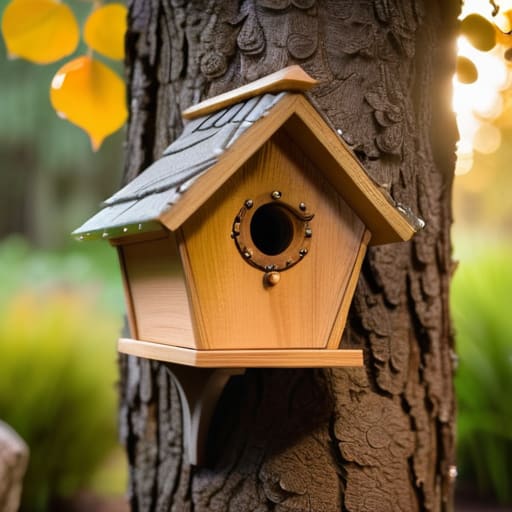
At the end of the day, providing a nesting site isn’t about checking a box or making your garden look like a nature reserve; it’s about the technicalities of survival. You’ve looked at the placement, you’ve considered the wind exposure, and you’ve ensured the structure is sturdy enough to withstand a proper Atlantic gale. If you get the orientation wrong or pick a spot that’s too exposed, you aren’t helping—you’re just providing a target for the elements. Remember that success is found in the details, from the specific entrance diameter to the way the box is shielded from the prevailing weather. If you do the groundwork now, you won’t be left wondering why the birds haven’t shown up when the spring thaw actually hits.
I’ve spent twenty-two years watching how quickly the landscape can change, and I’ve learned that the most resilient habitats are the ones built with intention rather than optimism. It takes a bit of patience and a fair amount of trial and error, but there is something deeply grounding about seeing a pair of raptors or even just a small songbird settle into a space you helped secure. Don’t aim for perfection, but aim for stability. The birds don’t need a spectacle; they just need a reliable place to exist when the weather turns.
Frequently Asked Questions
If I put up a nest box and nothing happens, how long do I wait before I assume it’s in the wrong spot or the wrong type for my local species?
If you’ve hung a box and seen nothing after one full breeding season, it’s time to reassess. I’ve seen people leave empty boxes up for three years thinking they’re “just waiting,” but usually, the issue is fixed: either the hole diameter is wrong for your local birds, or the placement is too exposed. If the local species haven’t moved in by August, move the box or change the spec. Don’t just hope; adjust.
How do I stop larger birds or predators from taking over the box once a smaller species has actually managed to move in?
It’s a common frustration. I’ve seen a blue tit nest get completely ousted by a much larger species because the entrance was just a bit too generous. The fix is simple: entrance hole diameter. If you’re targeting smaller passerines, don’t go larger than 25mm. It’s a physical barrier that keeps the bigger, more aggressive birds out. I’ve used various wooden inserts for this over the last twelve years; they work, provided they’re fixed securely enough to withstand a gale.
Is there a specific time of year I need to have these sites installed, or can I put them up whenever I have the time?
If you wait until spring, you’ve already lost. By the time the birds are looking for a spot, they’ve already made their decisions. I always aim to have my sites installed and checked by late autumn or early winter at the latest. You want them settled and stable before the first heavy storms hit, giving the birds time to scout them out during the early thaw. Don’t leave it to chance; get them up while it’s quiet.