I was standing on a ridge in the Cairngorms last November, watching a pair of peregrines circle a crag, when I realized how much damage we do when we think we’re being helpful. Most people approach bird feeding like they’re decorating a garden, buying those expensive, brightly coloured plastic dispensers and filling them with whatever cheap, dusty filler is on sale at the supermarket. But if you want to learn how to feed birds responsibly, you have to stop thinking about aesthetics and start thinking about biological necessity. Dumping low-quality grain into a feeder during a sudden cold snap isn’t an act of kindness; it’s a gamble with their survival, and usually, the birds are the ones losing.
I’m not here to sell you a fancy new feeder or a subscription to a “nature lover” catalogue. I’ve spent twenty-two years watching how wildlife actually reacts to the environments we create for them, and I’ve kept a raptor nest log since 2009 to prove it. In this guide, I’m going to give you the unfiltered reality of what works and what doesn’t. I’ll talk about calorie density, seasonal shifts, and the specific types of seed that actually matter when the weather turns foul. No fluff, no marketing jargon—just the practical details that keep the birds healthy when the margin for error disappears.
Table of Contents
Avoiding Harmful Bird Foods and the Risks of Bad Decisions
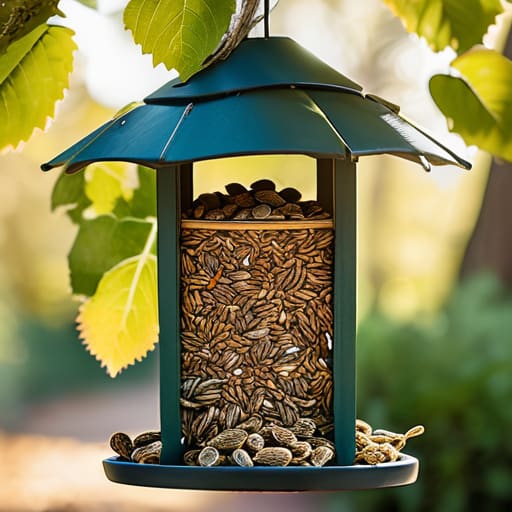
The biggest mistake people make is treating bird feeding like a casual hobby rather than a managed interaction with a fragile ecosystem. I’ve seen too many people dump cheap, dusty filler from a supermarket bag into a feeder, only to find the local population looking lethargic or, worse, dropping dead. If you aren’t careful about avoiding harmful bird foods—like bread, which provides zero nutritional value and just causes bloating—you aren’t helping; you’re just creating a concentrated site for illness.
When you concentrate birds in one spot, you create a biological bottleneck. If one bird brings in a pathogen, that feeder becomes a petri dish. This is why I am so particular about preventing avian disease transmission; it requires more than just buying the right mix. You have to be disciplined about cleaning bird feeder maintenance. I’ve used a standard wide-mouth hopper feeder for four seasons in the dampest parts of the Peak District, and if I don’t scrub it with a dilute bleach solution every fortnight, the mold buildup is immediate. It’s a chore, but it’s the difference between a thriving garden and a graveyard.
The Best Bird Seed for Backyard Birds and Real Results
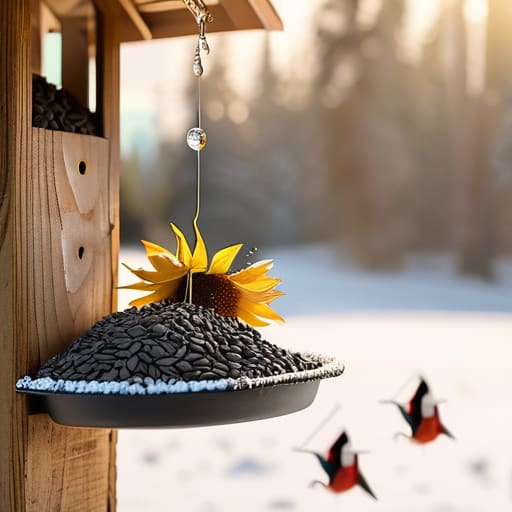
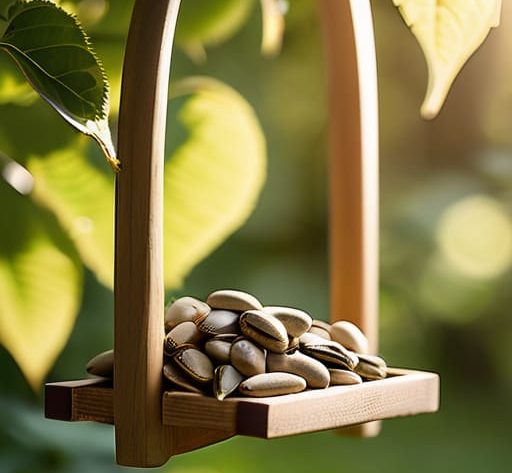
If you want to do this right, stop looking for the cheapest bag at the supermarket. Most of that “mixed” filler is mostly red millet and cracked corn—stuff that birds can barely digest and that mostly just ends up as waste on your patio. For actual results, you want to focus on high-fat, high-protein options like black oil sunflower seeds or suet. I’ve been using a specific brand of black oil sunflower seed for three seasons now, even through the heavy, wet winters in the Peaks, and the difference in bird density is night and day. They need those calories to maintain body heat when the temperature drops below freezing.
When you are selecting the best bird seed for backyard birds, remember that variety is your friend, but quality is your priority. If you’re feeding during a particularly harsh stretch, seasonal bird feeding adjustments are vital; you’ll need to swap out lighter seeds for denser suet blocks to help them survive the night. Just keep an eye on the feeders. If they get damp or moldy, you aren’t helping; you’re actually risking everything by preventing avian disease transmission through strict cleanliness. Keep it simple, keep it high-quality, and keep it clean.
Five ways to avoid making a mess of the local ecosystem
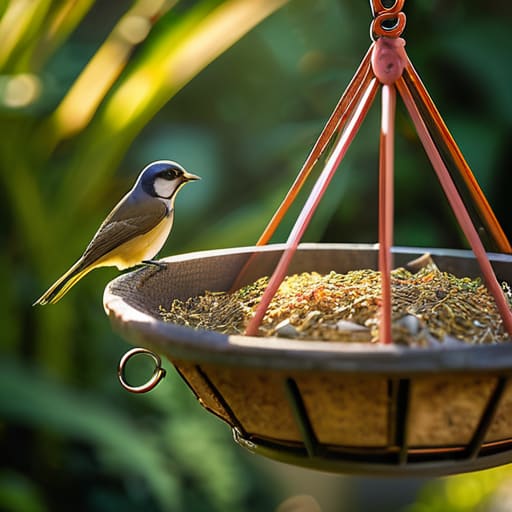
- Keep your feeders clean or don’t bother feeding them at all. I’ve seen more bird sickness in the field from contaminated stations than from anything else; if you aren’t scrubbing your feeders with a weak bleach solution once a week, you’re just creating a petri dish for disease.
- Location is everything, especially if you have predators nearby. I’ve spent years watching raptors work, and if you put a feeder in the middle of an open lawn with no low cover, you aren’t providing a buffet—you’re providing a target for every cat and hawk in the area.
- Don’t be a “set and forget” feeder. Birds rely on a consistent calorie source, particularly when the weather turns; if you stop feeding them mid-winter because you went on holiday or forgot, you’ve essentially pulled the rug out from under them during their most vulnerable window.
- Watch the mess, not just the birds. If you see a pile of husks and spilled seed rotting on your patio, you’re attracting rodents and potentially creating a nuisance that will get your feeding stopped by neighbors or local councils. Use a feeder with a proper tray or a mesh design that minimizes waste.
- Respect the wild birds’ natural rhythms. Feeding is a supplement, not a replacement for their natural foraging; if you find yourself putting out massive amounts of low-quality filler just to see more birds, you’re actually teaching them bad habits that won’t serve them when the real food sources fail.
The Cost of a Quick Fix
Feeding birds isn’t just about putting a tray out; it’s about understanding the energy balance of the landscape. If you provide low-grade filler that lacks actual caloric density, you aren’t helping them survive a frost—you’re just tricking them into wasting precious energy on a meal that won’t keep them alive when the temperature actually drops.
Bridget Halloran
The Long View
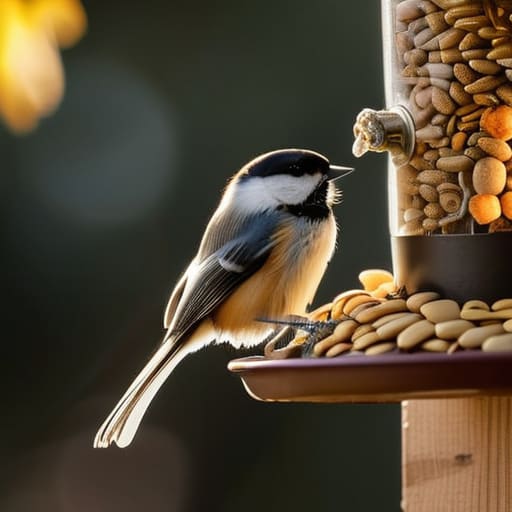
At the end of the day, feeding birds isn’t about turning your garden into a high-speed buffet; it’s about providing a reliable calorie source that doesn’t compromise their health. We’ve covered why you need to ditch the cheap, filler-heavy supermarket mixes that are mostly just grit and dust, and why high-quality fats and proteins are the only things that matter when the temperature drops. Remember, the goal is to supplement their natural diet, not replace it with something that causes disease or malnutrition. If you stick to the right seeds, keep your feeders clean, and avoid the temptation to throw out “easy” scraps, you are doing more than just feeding birds—you are managing a small, vital ecosystem in your own backyard.
I’ve spent twenty-two years watching how wildlife reacts to human intervention, and I can tell you that the most rewarding part isn’t the sheer number of birds at the feeder, but the quality of the sightings. When you get the nutrition right, you see the real characters: the peregrines, the owls, and the specialists that most people miss because they’re looking for the easy wins. It takes a bit of extra effort and a little more money upfront, but patience and precision are what make the difference. Treat your garden like a habitat rather than a convenience store, and you’ll find that the rewards are far more enduring than a handful of cheap grain.
Frequently Asked Questions
How do I stop the feeders from attracting rats or other pests that might actually end up harming the birds I'm trying to help?
It comes down to management, not just what you put out. If you’re seeing rats, you’ve likely got a spill problem or you’re feeding too much at once. I’ve spent years watching how scavengers move through a landscape; they follow the easy calories. Use high-quality seed that doesn’t leave much dust, keep feeders elevated and away from low cover, and most importantly, clean up any floor spillages immediately. Don’t leave a buffet overnight.
Is there a specific way to clean the feeders to prevent disease from spreading between different species during a wet winter?
In a wet winter, damp seed is a breeding ground for pathogens like Trichomonosis. I’ve seen it happen in a single season when feeders aren’t managed. You need to scrub them with a 10% bleach solution—one part bleach to nine parts water—and let them dry completely before refilling. I use this method every two weeks during my winter treks when I’m monitoring local populations. If the feeder stays sodden, bin the seed and start fresh.
How much food is too much—will I accidentally create a situation where I'm making the birds too dependent on me instead of their natural foraging?
It’s a valid worry. I’ve seen how a sudden, heavy snow cover can turn a bird feeder into a lifeline, but you don’t want to create a dependency that leaves them helpless when the season shifts. Don’t go overboard; think of it as a supplement, not a replacement. If you see birds congregating in unnaturally large, aggressive numbers, you’ve likely overdone it. Keep the supply steady but modest, and always ensure they have access to natural foraging grounds nearby.